Go Back

Lin
Weekly Market Update: AI is Not Slowing Down
If you spent any time on X over the weekend, you probably saw the comments from Dario Amodei, Sam Altman, and Elon Musk.
In case you missed it, Anthropic CEO Dario Amodei argued that frontier AI is moving too fast and that safety needs more time to catch up. Sam Altman agreed with the general idea. Elon Musk simply said, “Dario is right.” Which is already pretty unusual. When was the last time Sam Altman and Elon Musk agreed on anything?
That aside. This obviously created some turbulence in the markets starting the week.
So, let’s try to unpack that.
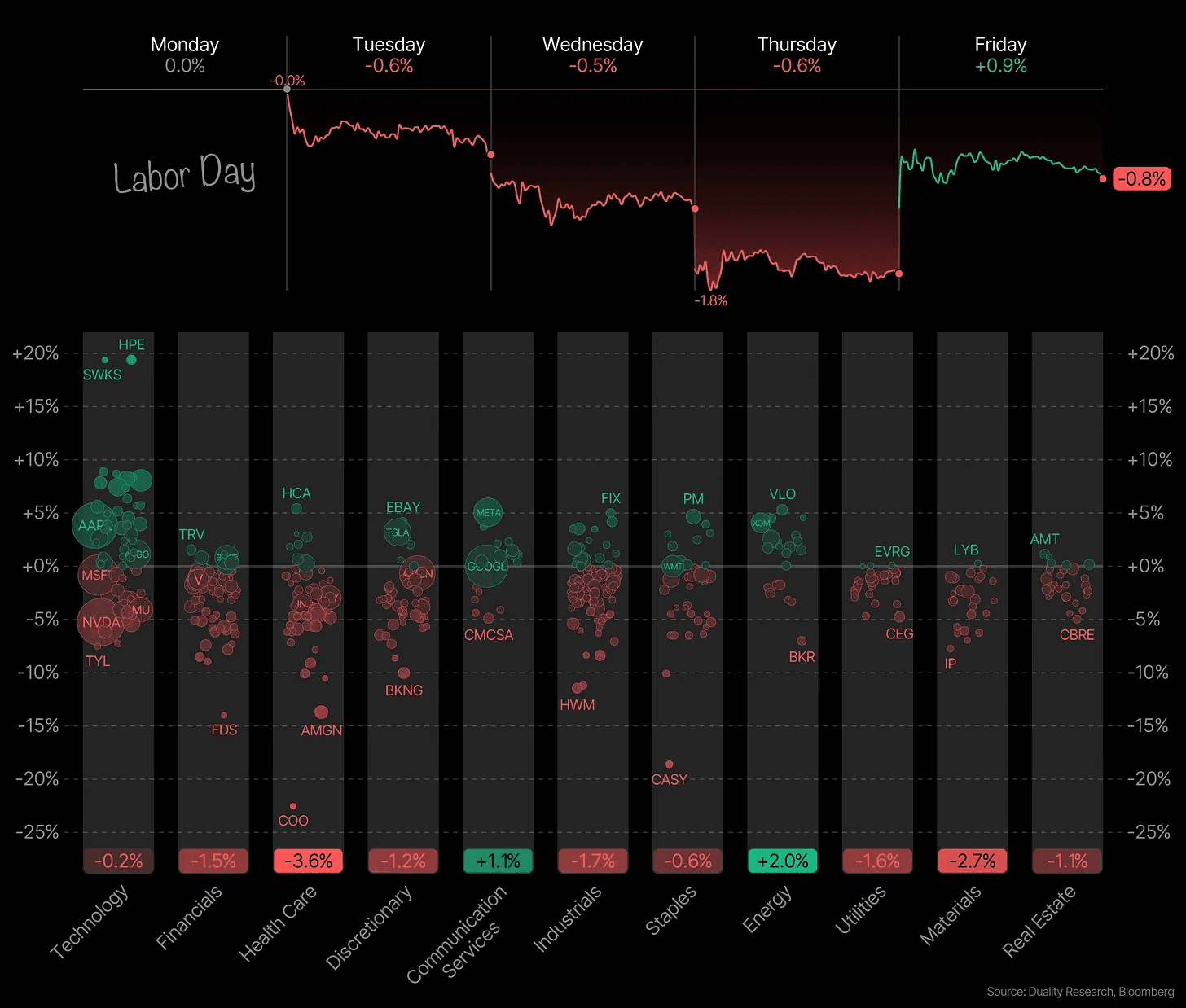
Dario explicitly says pacing does not mean halting model training or technical progress. His argument is that the industry should deliberately give safety more time to catch up with capabilities.
If AI development starts requiring more audits, more compliance, more safety testing, more government oversight, and maybe even restrictions around compute, who is best positioned to deal with all of that?
Probably the companies with billions of dollars.
Could the biggest AI labs be pushing for rules that make life harder for smaller competitors and open-source models?
Possibly.
And if you actually think about what this pacing means, it quickly becomes more of a farce. Actually implementing it is close to impossible.
There are so many questions yet to be answered:
Who decides what too fast means? How do you measure it? How do you make sure everyone follows the same rules? What happens if 1 company ignores them? And what happens if China does not agree?
Anyway, the critical question for investor is:
Does any of this actually change the pace of AI development and spending, or is this mostly a change in how the industry talks about AI safety?
There is a huge difference between:
1. AI CEOs think frontier development needs better safety controls and 2. AI labs are cutting compute budgets, cancelling data centers and reducing accelerator orders.
These companies still have enormous incentives to lead.
OpenAI, Anthropic, Google, Meta, xAI and the rest are competing for models, users, enterprise customers, developers and ultimately control of one of the most important technology platforms in the world.
Nobody wants to fall behind.
There is also a competitive angle.
If every major frontier lab has to follow similar safety standards, the largest labs are probably better positioned to absorb the additional cost and complexity than smaller competitors. And coordinated pacing removes some of the pressure to constantly race competitors to the next model.
So, if AI stocks sell off purely because people hear slow down AI, while actual capex plans, data center construction, GPU demand and infrastructure spending remain intact, That would probably be a buying opportunity. I do not think one weekend of AI CEOs talking about pacing the frontier suddenly marks the end of the AI investment cycle.
Every few months, there is another headline calling for the AI cycle. But none of them turned out to be right. And it is very unlikely that this one will. Of course this will create some turbulence in the markets, but for now it only looks to be temporary.

Aside from the new AI fears, the macro environment is still doing okay.
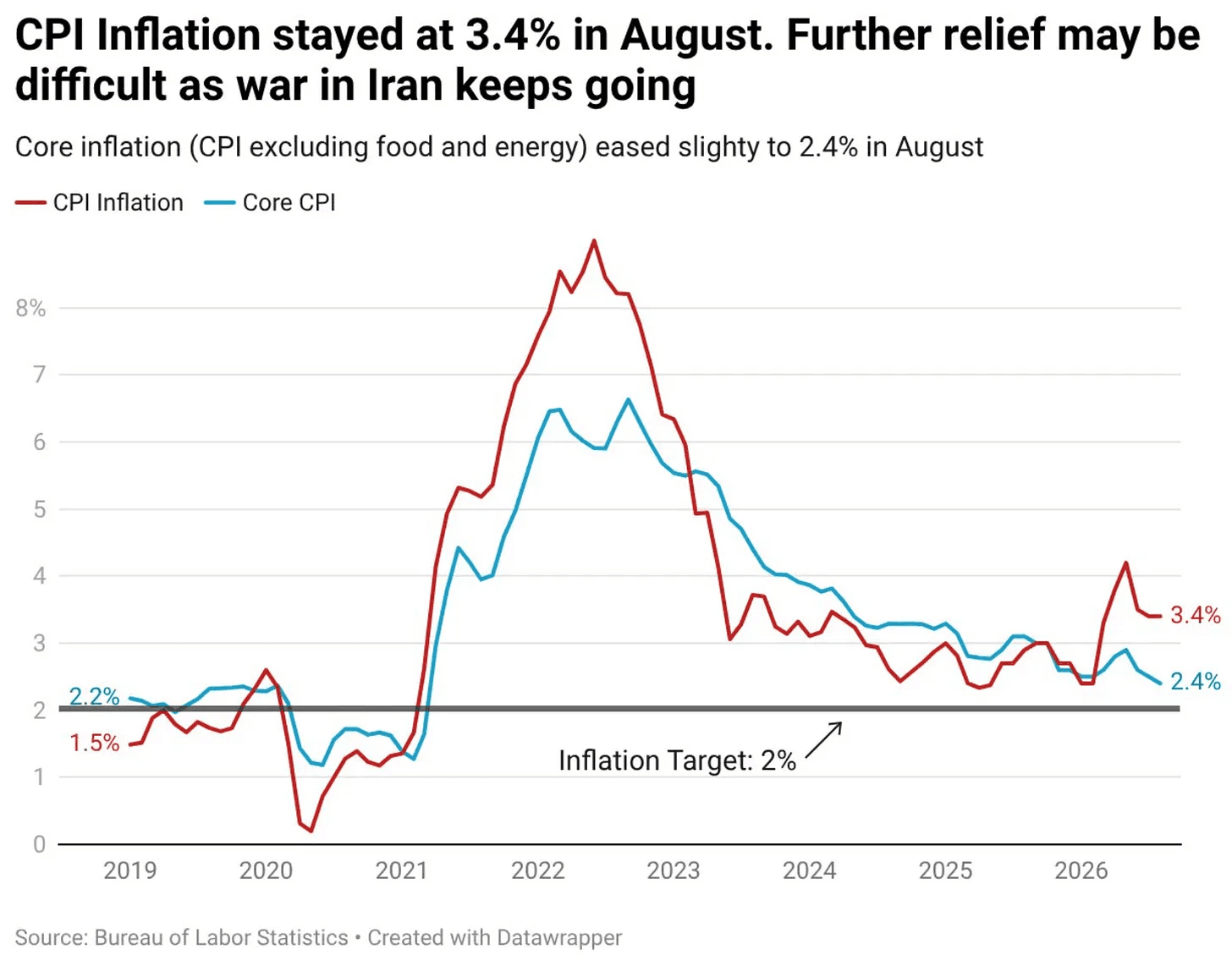
Friday’s inflation report was mostly in line with expectations.
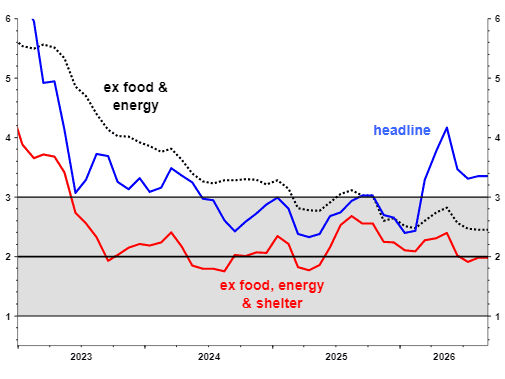
Headline CPI came in at 3.4% year over year, exactly as expected and unchanged from July. Core CPI, which excludes food and energy, eased from 2.5% to 2.4%, also matching expectations.
So overall, nothing dramatic, although inflation is still running hotter than the Fed would like.
This was the last major data point before the Fed meets on September 16th.
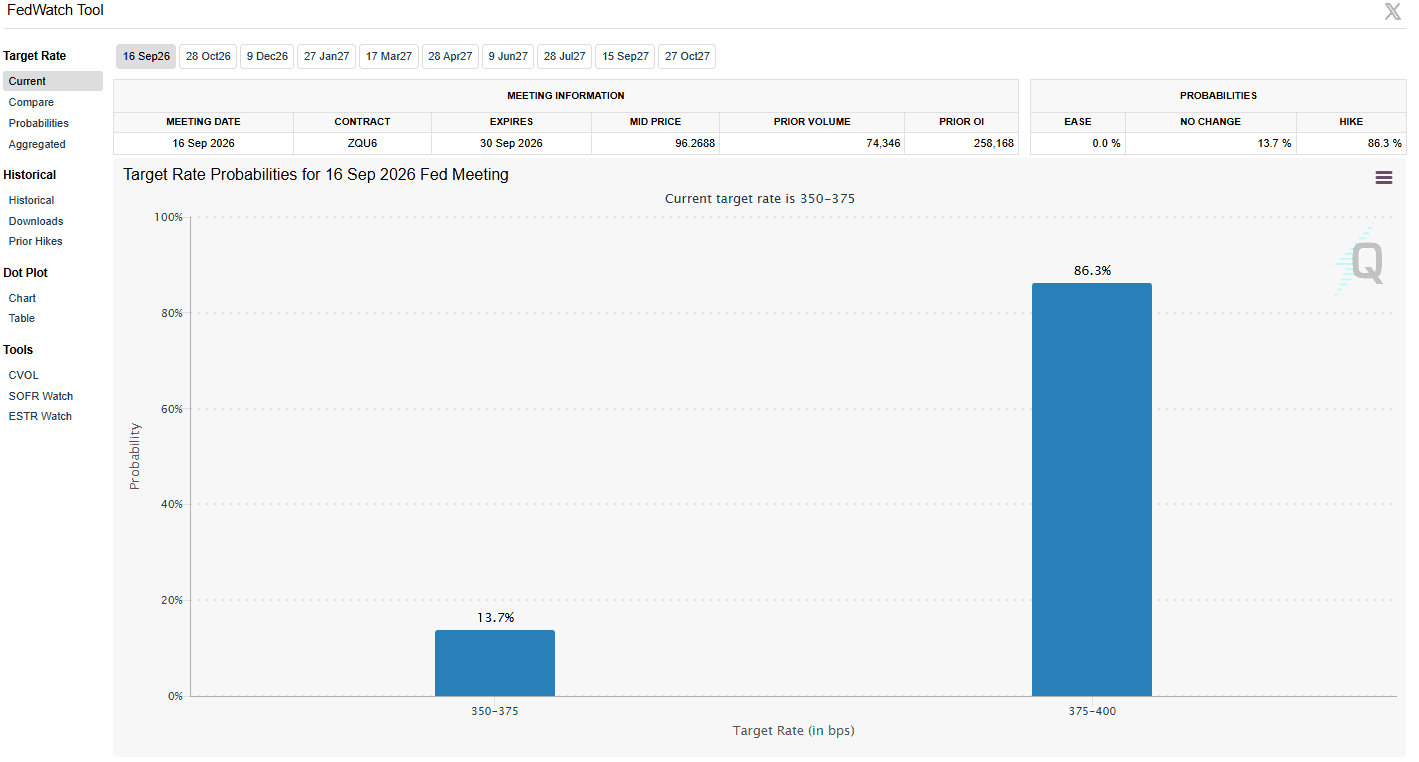
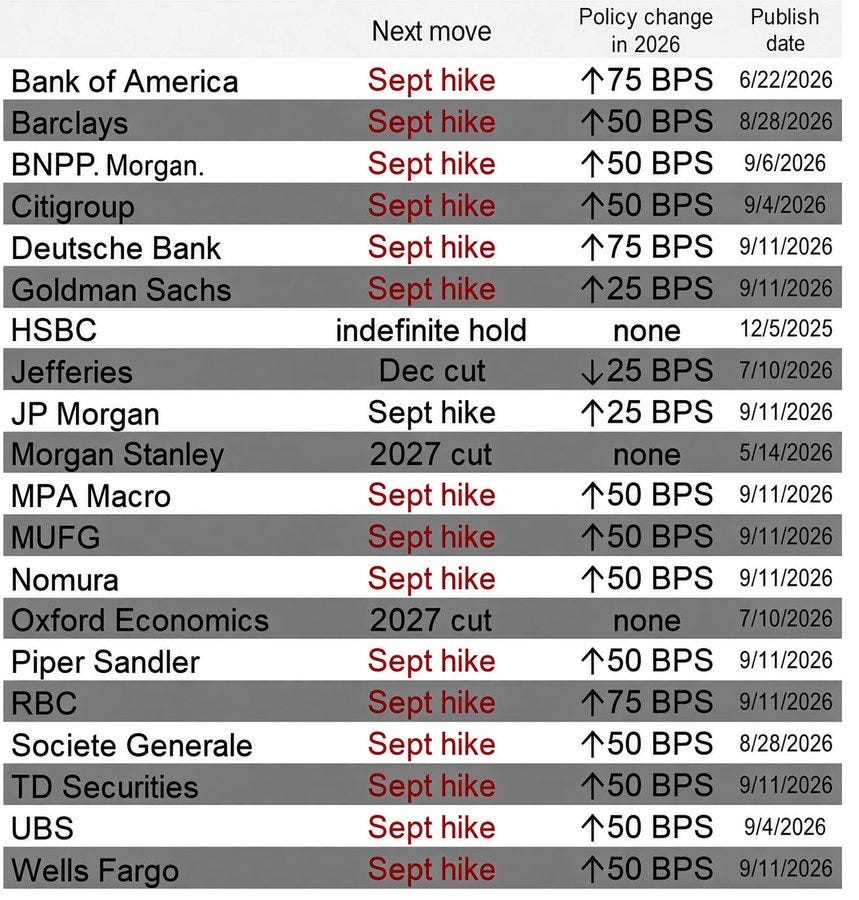
Markets are now pricing in almost a 90% chance of a rate hike next week. I still don’t think they pull the trigger on Wednesday. If they pass this time, October is unlikely too, since that meeting lands right before the election and the Fed tends to avoid moves that close to one. That would push the next real window out to December.
Whatever they decide, don’t expect much guidance either way.
I also don’t think a single 25 basis point hike would do much to solve inflation that is being driven mainly by energy. If oil stays high for long enough, bringing inflation back down would probably require more than 1 hike.
And I have a hard time seeing the Fed starting a full hiking cycle here.
Personally, I think there’s a stronger case for holding rates steady than the current odds suggest.
Big part of the inflation increase is coming from the energy shock caused by the war in Iran.
Gas alone accounted for more than 1/3 of August’s monthly CPI increase. At the same time, annual core inflation actually fell from 2.5% to 2.4%.
Energy added about 1.08 percentage points to the 3.4% headline inflation rate. So roughly 32% of total inflation came from energy, even though energy only makes up around 7.3% of the CPI basket.
And if you take out food, energy, and shelter, inflation was running at just 2.0% year over year.
That said, when the market and the big banks are this heavily positioned for a hike, you have to respect it. They’re usually not this one-sided without a reason.
As noted last week, the general market is holding up fine, but that is not showing exactly what’s happening underneath.
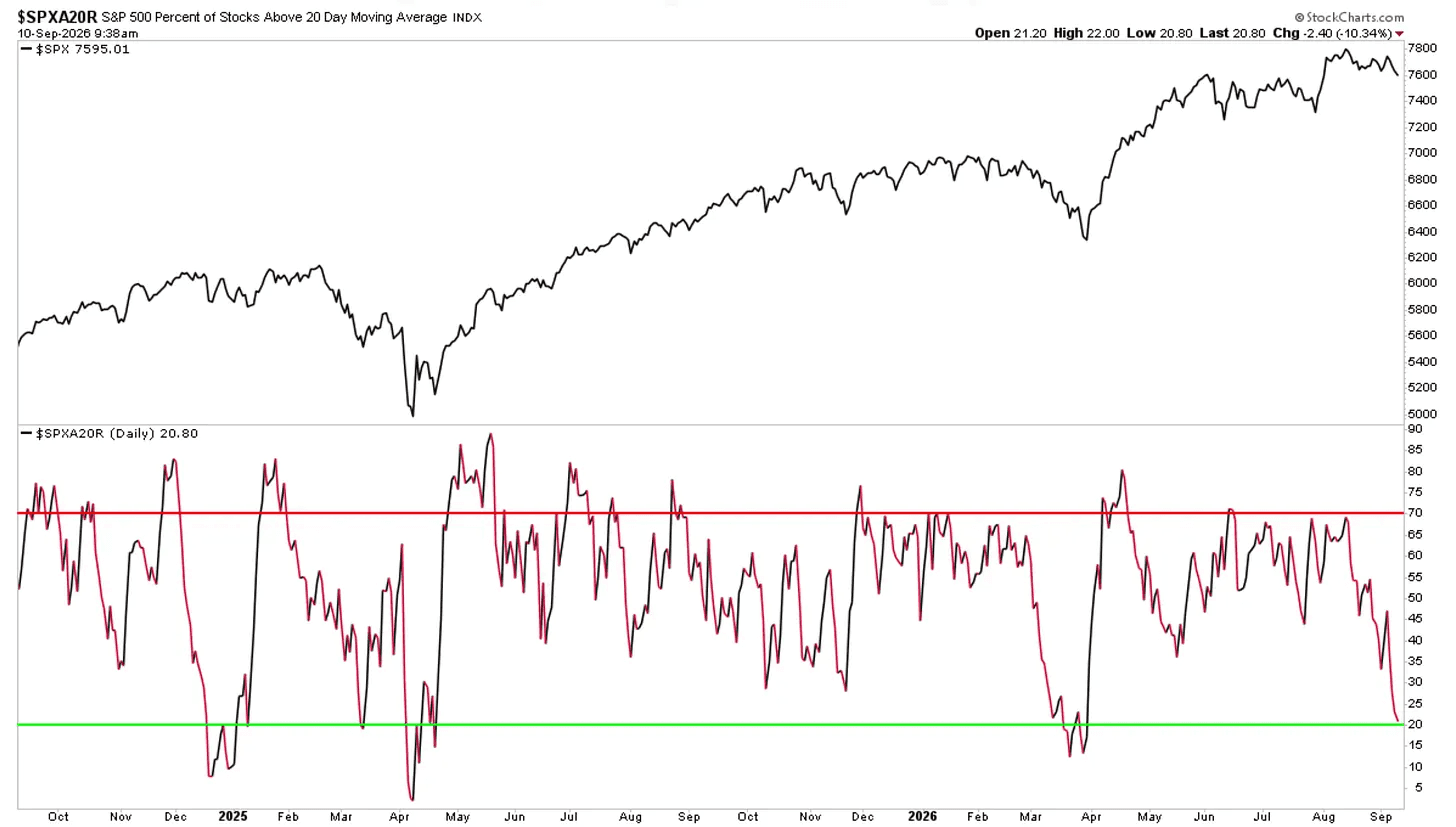
The chart below shows the percentage of S&P 500 stocks trading above their 20-day moving average. Once that number drops below 20%, the market has historically been deeply oversold, and those readings have often formed around short-term lows.
We’re not there yet, but we’re getting close. The new fears around an AI slowdown could be enough to push breadth into that oversold zone and flush out some of the weak hands. If that happens, it would create a great setup into the last quarter.
There has also been a meaningful pullback in many names of the S&P 500.
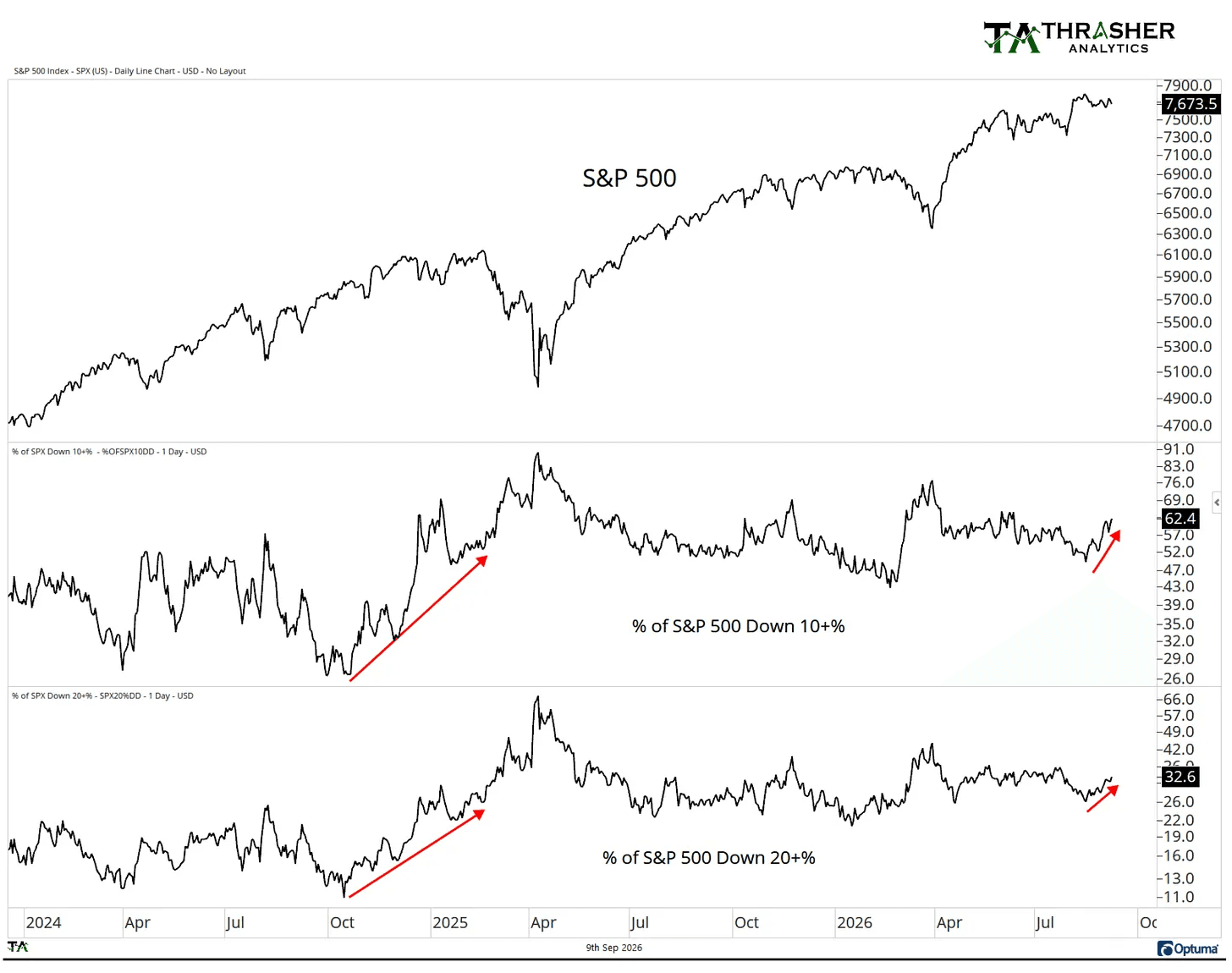
62.4% of the stocks in the S&P 500 are trading at least 10% below their highs, putting it close to the highest level of the year. In other words, almost 2 out of every 3 stocks in the index are already in correction territory, even though the S&P 500 itself is still holding up relatively well.
The weakness gets more noticeable the further you look below the surface. Around 32.6% of S&P 500 stocks are now down at least 20% from their highs, and that number is still climbing. That means roughly 1 in 3 stocks is already in what would normally be considered bear-market territory on an individual stock basis.
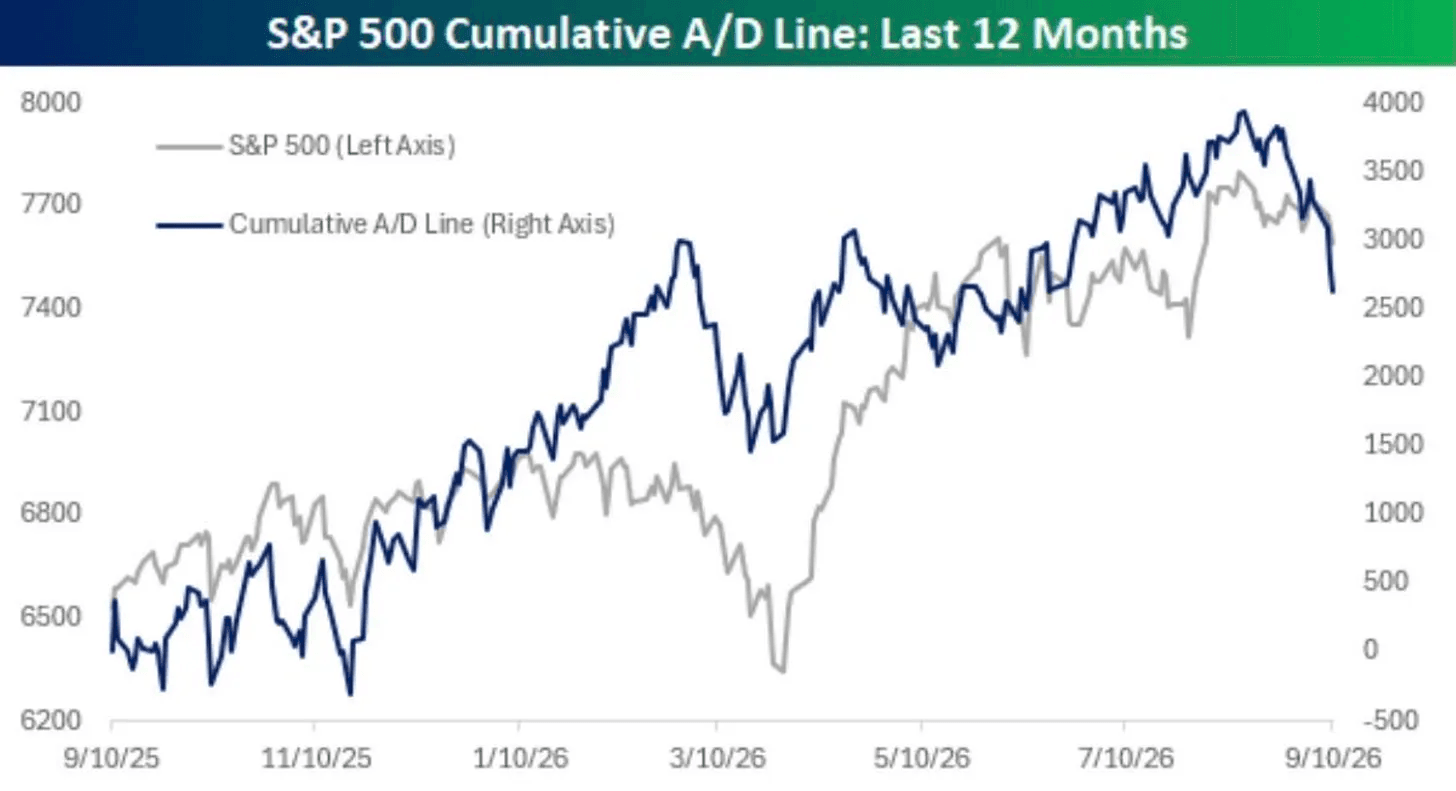
The advance/decline line is one of the simplest ways to measure market participation. Each day, it looks at how many stocks went up versus how many went down and adds that difference to a running total.
When most stocks are participating in a rally, the advance/decline line should rise alongside the index. Ideally, bulls want to see both price and breadth making new highs together. Right now, we are starting to see the opposite, which for now is negative breadth divergence.
The best case from here would be for breadth to start recovering and the advance/decline line to catch back up with price.
That’s enough about the market breadth for now.
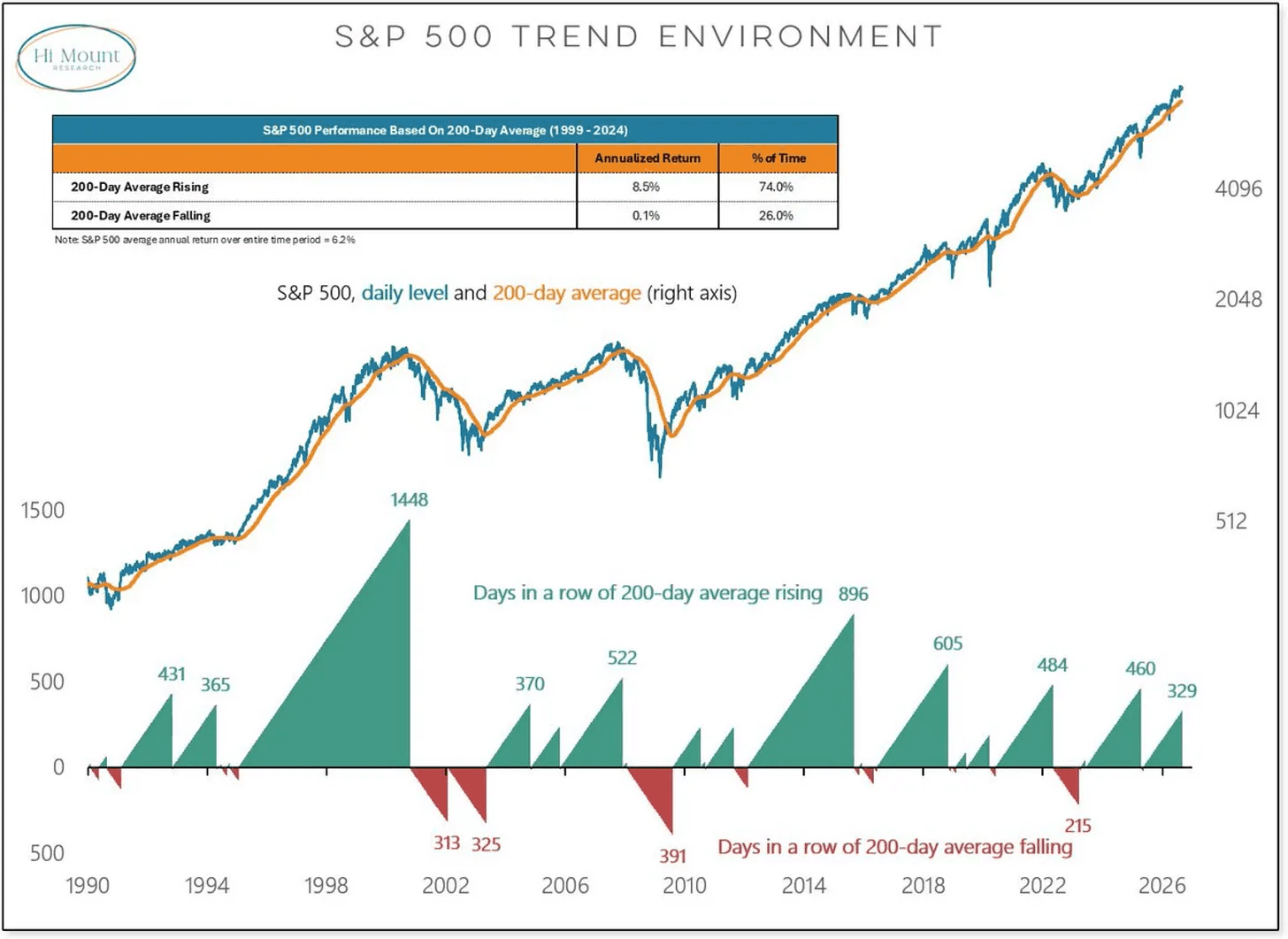
Sometimes the best indicators are the simplest. And probably the most reliable one is 200-day moving average. It’s probably the most effective tool to avoid being caught in a complete market breakdown.
Since 1999, when the S&P 500’s 200-day moving average has been rising, the index has returned about 8.5% annualized. When the 200-day has been falling, that return drops to almost nothing, around 0.1% annualized.
Almost all of the market’s net gains over the past 25 years have happened while the 200-day moving average was trending higher.
For now, that moving average is still pointing higher. And as long as that remains the case, the bigger trend still deserves the benefit of the doubt.
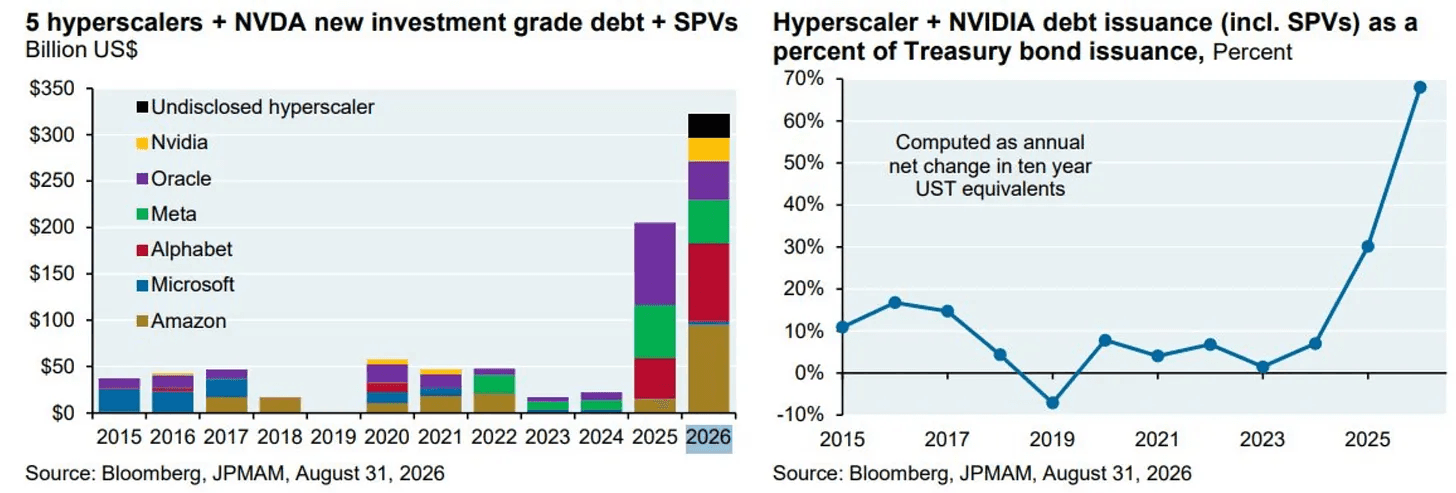
One of the more interesting developments this year, has been the rise in corporate bonds.
6 companies Oracle, Microsoft, Amazon, Alphabet, Meta, and Nvidia, have issued roughly $320 billion in debt this year. That is equal to about 68% of all new long-term Treasury borrowing over the same period.
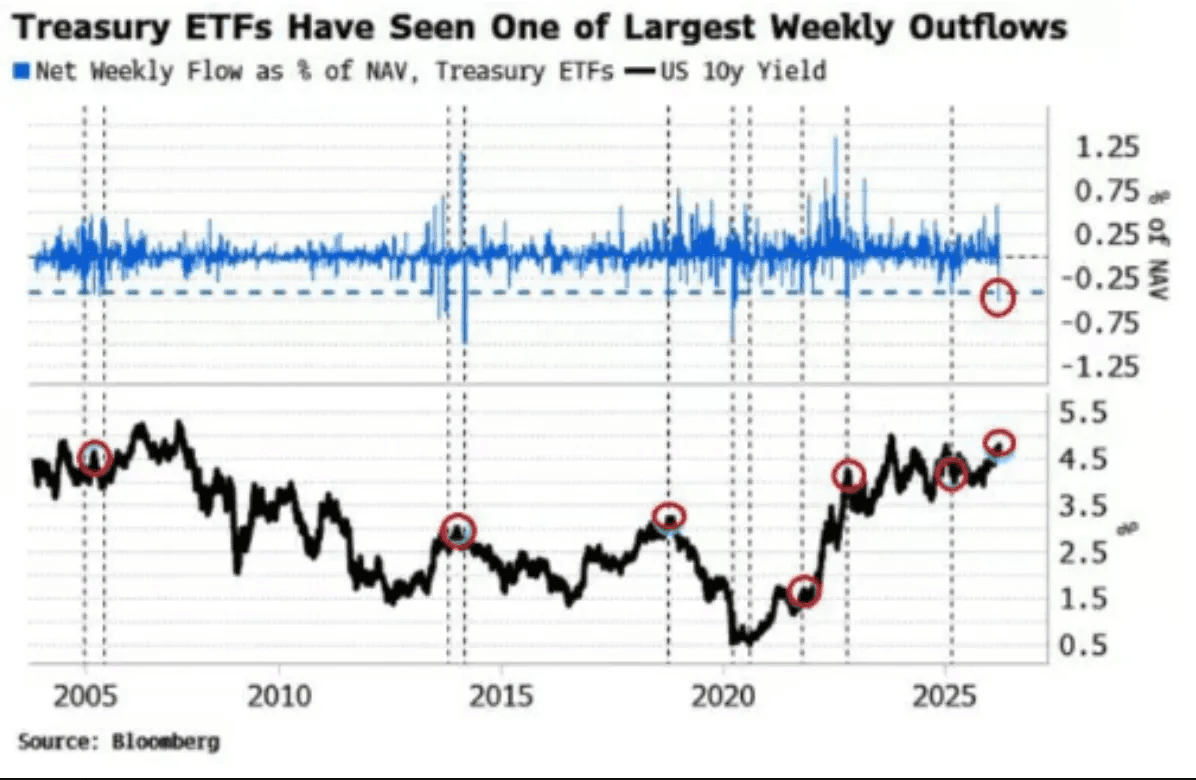
Public companies are now competing with the US government for the same pool of bond buyers. Which means US treasuries are becoming less attractive, which in turn means that Treasuries may have to offer higher yields to keep attracting buyers
We are already seeing signs of that shift in the flows. The US Treasury ETFs just recorded one of their largest weekly outflows on record, suggesting investors are becoming much more selective about where they put their fixed-income money.
What stands out most to me is how many reasons we’ve had to sell off, and how well the major indices have handled all of them.
Oil, rising yields, Iran, rate hike fears, and now another wave of uncertainty around AI. There has been no shortage of bad headlines. Yet underneath the surface, there might be some turbulence, but also a lot of consolidations and important stocks holding up well.
Of course, this is a huge week. We have the FOMC meeting, any new developments around Iran, and the fears of an AI slowdown. I’ve shared my views on all of those above, but ultimately my opinion doesn’t matter nearly as much as the market’s reaction.
If market trends lower and setups start breaking down, I’ll adjust. If they keep holding and we start seeing more breakouts and broader participation, that would give create more confidence to start being aggressive again.
Over the past few weeks, my focus has mostly been on protecting the progress made earlier this year and giving my strongest positions room to work. I haven’t felt the need to force a bunch of new trades.
That has also left me with both the mental and financial capital to get more aggressive when the right opportunity shows up.
This could be a very important week.
I think we may be getting close to another period where it makes sense to be more active. But I don’t want to get ahead of the market.
For now the goal is to stay ready, stay flexible, and let the price action tell us when it’s time.
Previous Updates
View All
- Weekly Market Update: AI is Not Slowing Down
- Market Update: Has AGI Arrived?
- Weekly Market Update: Consolidation
- Weekly Market Update: September is Here
- Market Update: Nvidia Crushes Earnings
- Weekly Market Update: Yields
- Market Update: The Future of Biotech
- Weekly Market Update: Earnings Acceleration
- Market Update: The Next Generation of AI Infrastructure
- Weekly Market Update: New Highs
- Market Update: Nvidia’s Way Around Memory
- Weekly Market Update: LTCM 2.0
- Market Update: The Trajectory of AI Compute