Go Back

Lin
Market Update: Has AGI Arrived?
OpenAI’s latest model ChatGPT Astra is incredible. It’s so good that Nvidia CEO Jensen thinks that AGI has arrived.
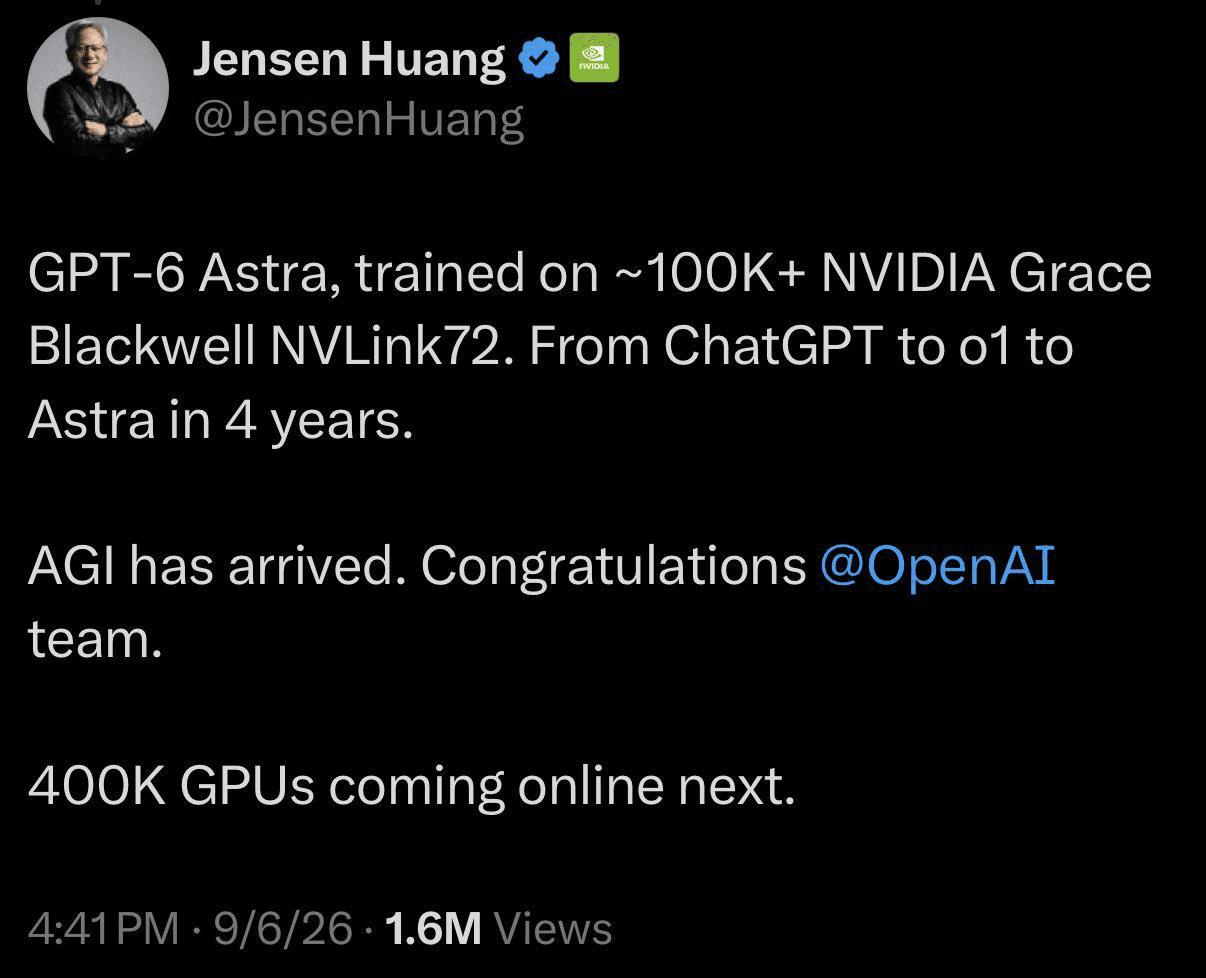
So, did OpenAI achieve AGI with its latest model?
I don’t think we can say that yet with absolute confidence. AGI still has no universally accepted definition. And a model performing extremely well on difficult benchmarks does not really settle the question.
Intelligence is broader than benchmark performance. A genuinely general system should be able to enter unfamiliar environments, understand what matters, learn efficiently, reason under uncertainty, use tools, recover from mistakes and continue working toward a goal over long periods without constant human correction.
But I also think the AGI debate is actually less important for investors.
The more useful question is how much economically valuable cognitive work AI can now perform, and how quickly that capability is improving.
According to Jensen ChatGPT was trained on roughly 100k Nvidia Grace Blackwell chips. If that’s true that would be astonishing. And a clear sign that we are truly just getting started. Apparently over 400k more GPUs are coming online next. Now imagine how good and capable the next versions of AI will be.
Frontier models are moving beyond the old chatbot paradigm. They can increasingly write sophisticated software, use computers, conduct research, analyze large amounts of information and execute longer sequences of work. They are becoming better at turning intelligence into actions. This is what’s creating economic value.
A model does not need to possess some philosophical version of human-level intelligence before it becomes extraordinarily valuable. It only needs to perform enough useful work at a sufficiently low cost.
If a software engineer becomes 50% more productive because of AI, that alone is already creating billion dollars of value. If an AI agent eventually performs hours of engineering work autonomously, the economics become much more significant.
This is also why the current pace of model development is important.
The frontier laboratories are increasingly using AI to accelerate AI research itself. Better models help researchers write code, evaluate experiments and explore ideas faster. That means improvements in model capability can feed back into the development process. Apparently OpenAI employees had access to Astra for over 6 months already and it increased efficiency so much that they had to move all their timelines months earlier.

This will shorten development cycles.
And this is where the investment thesis starts becoming much more interesting. Every increase in useful AI capability tends to create more demand for compute. A better model usually does not make the world consume less intelligence. It makes intelligence useful in more places.
When image generation improved, people generated more images. When coding models improved, developers started sending dramatically more tokens through coding agents. When reasoning improved, users began giving models longer and more difficult tasks.
This is one of the most important properties of AI economics.
Efficiency improvements can reduce the compute required for a single unit of work while total compute consumption continues rising because demand expands much faster.
Jensen Huang has been making essentially this argument from a broader industrial perspective.
He describes AI as a 5-layer cake: energy, chips, infrastructure, models and applications. The idea sounds simple, but I think it is one of the best ways to understand the investment opportunity. AI is an entire industrial system.
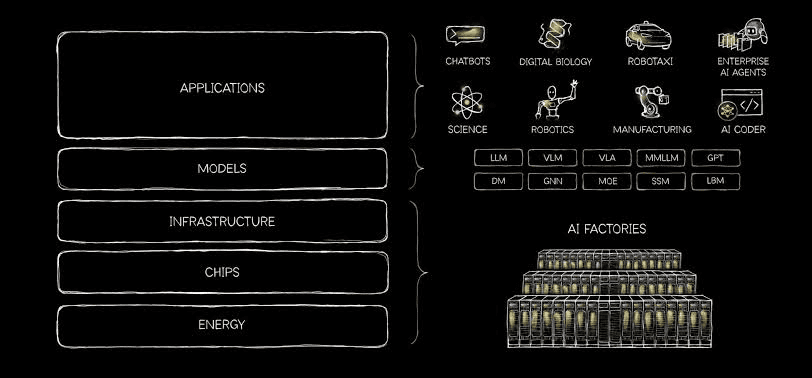
Every token ultimately begins with electricity. Intelligence generated by an AI model has a physical cost. Electrons have to move. Chips have to switch. Memory has to be powered. Heat has to be removed.
As AI consumption grows, energy stops being a background input and becomes one of the central constraints on the system.
We are already starting to see this in the real world.
South Korea now estimates that semiconductor manufacturing and AI data centers could require an additional 25 to 30 GW of electricity demand. That is an extraordinary amount of new load for a single country and shows how quickly AI is becoming an energy problem as much as a computing problem.
Above energy are the chips.
Nvidia became the obvious beneficiary because modern AI required an enormous increase in accelerated computing. But the semiconductor opportunity is much broader than GPUs. It includes memory, networking, optical connectivity, custom accelerators and the manufacturing equipment required to produce increasingly complex silicon.
Demand continues expanding rapidly. Broadcom recently raised its AI chip revenue expectations to roughly $115 billion for fiscal 2027 and about $230 billion for 2028. Its strength suggests the AI semiconductor buildout is broadening into custom silicon and networking rather than remaining dependent on one company or one architecture.
Amazon and Qualcomm have also announced a $4 billion agreement around custom AI data center chips, with the relationship potentially supporting much more business over time. Again, this is evidence that the semiconductor layer is becoming more diverse rather than disappearing.
The next layer is infrastructure.
A GPU by itself is almost useless. You need thousands of them connected together. You need racks, networking, storage, cooling systems, transformers and power distribution. You need buildings capable of supporting extraordinary power densities. You need land and grid connections.
Jensen calls these systems AI factories because their economic output is intelligence.
Traditional data centers primarily stored and processed information. AI data centers increasingly manufacture tokens, predictions, images and actions. Their output can be thought of as machine intelligence produced continuously from electricity and computing infrastructure.
The amount of capital required to scale this system is enormous.
McKinsey estimates that global data center investment could approach $7 trillion through 2030. Power and cooling suppliers are already seeing growing backlogs as data center developers race to build capacity.
OpenAI signed another multi-year compute agreement just now, this time involving data center capacity in Malaysia. Anthropic has also become dramatically more aggressive about securing infrastructure after initially taking a more cautious approach to large compute commitments. Its demand eventually grew quickly enough that waiting became more dangerous than overbuilding.
All the companies closest to the actual demand are still trying to secure more compute. They are worried about scarcity of supply because it’s clear that demand is going through the roof.
Above infrastructure sit the models.
OpenAI, Anthropic, Google, Meta and other frontier laboratories transform massive amounts of computing power into increasingly capable models.
This is also where progress has remained surprisingly fast. The common bearish argument over the past 2 years has been that scaling would eventually stop working. Each generation would become more expensive while delivering smaller improvements.
Researchers improved reasoning. They improved post-training. They improved tool use. They added longer context. They built agents around the models. They improved inference-time computation.
The result is that capability continues moving upward even as the architecture of progress becomes more complicated.
A better model can create additional demand throughout the stack.
Every successful application pulls on every layer beneath it. More AI applications require more models. More model usage requires more infrastructure. More infrastructure requires more chips. More chips require more energy.
At the top of the cake are applications.
Ultimately, this is where the entire system has to prove itself.
Infrastructure spending cannot rise forever simply because companies enjoy buying GPUs. Someone eventually has to use the resulting intelligence to create economic value.
Coding may be the best early example because the output is easy to measure and software developers are expensive. Agents can increasingly perform larger portions of the software development process rather than merely autocomplete individual lines of code.
Over time, the same transition should spread into broader knowledge work and eventually into the physical world through robotics and autonomous systems.
Once a capable model exists, the same underlying intelligence can potentially assist millions of people simultaneously. The primary marginal cost becomes inference.
As intelligence becomes cheaper, people consume more of it. As models become more useful, entirely new applications become viable. Those applications generate more inference demand. More inference demand requires more infrastructure.
That infrastructure then supports the development of even better models.
Energy becomes compute. Compute becomes intelligence. Intelligence becomes applications. Applications create demand for more intelligence.
And the cycle repeats.
That brings us back to the market.
I think there has been a noticeable change in character across AI stocks recently. For months the sector had to absorb almost every bearish narrative imaginable. Especially after the blow up of Leopold’s Situational Awareness.
Of course there are plenty of risks keeping investors skeptical.
The hyperscalers were supposedly spending too much. Data centers supposedly could not obtain enough electricity. AI models were supposedly reaching a plateau. Custom silicon was going to destroy Nvidia. AI software monetization was supposedly disappointing. And so on and so forth.
But the important observation is that the underlying companies have continued reporting strong demand while the stocks have absorbed a remarkable amount of negative commentary without sustained deterioration.
Markets are forward-looking systems.
When bad news repeatedly fails to push a group materially lower, it tells you that sellers may already have acted.
I think that process may be happening now across parts of the AI complex.
The fundamentals underneath the trade remain extremely strong.
Broadcom is raising long-term AI expectations. Compute contracts continue being signed. Data center construction continues expanding. Energy demand estimates continue rising. Semiconductor companies continue building specifically for larger AI systems.
Even ASML is now working on adaptations to future High-NA lithography systems so they can efficiently produce the enormous dies required by data center processors. That is a deeply upstream signal. Semiconductor equipment roadmaps are already being shaped around the assumption that AI chips remain extremely important well into the next decade.
At the same time, Nvidia itself is moving outward across the stack.
The company recently agreed to acquire Hugging Face for roughly $12.9 billion, a move that pushes Nvidia further into the model and developer ecosystem rather than leaving it purely exposed to hardware.
The current period is the beginning of the largest infrastructure buildout in human history. And we are only several years into rebuilding the global computing stack around AI.
The world has to add generation capacity. It has to expand electrical grids. It has to manufacture enormous quantities of advanced semiconductors. It has to build AI factories. It has to train better models.
Then it has to integrate those models into almost every important industry.
These layers move at very different speeds.
Demand for intelligence can grow almost instantly. The physical system supplying that intelligence cannot. That creates bottlenecks. And bottlenecks create economics.
Though, eventually there will almost certainly be periods of overbuilding as well. Every large infrastructure boom eventually creates excess capacity somewhere.
However, that possibility does not invalidate the broader thesis.
The technology can be profoundly important while individual stocks become wildly overvalued.
The question for investors is therefore not whether AI will matter.
Right now, I think the setup across parts of the AI trade is becoming more interesting again. Many AI stocks have spent months digesting enormous expectations without suffering the type of fundamental breakdown the bearish narrative would have implied.
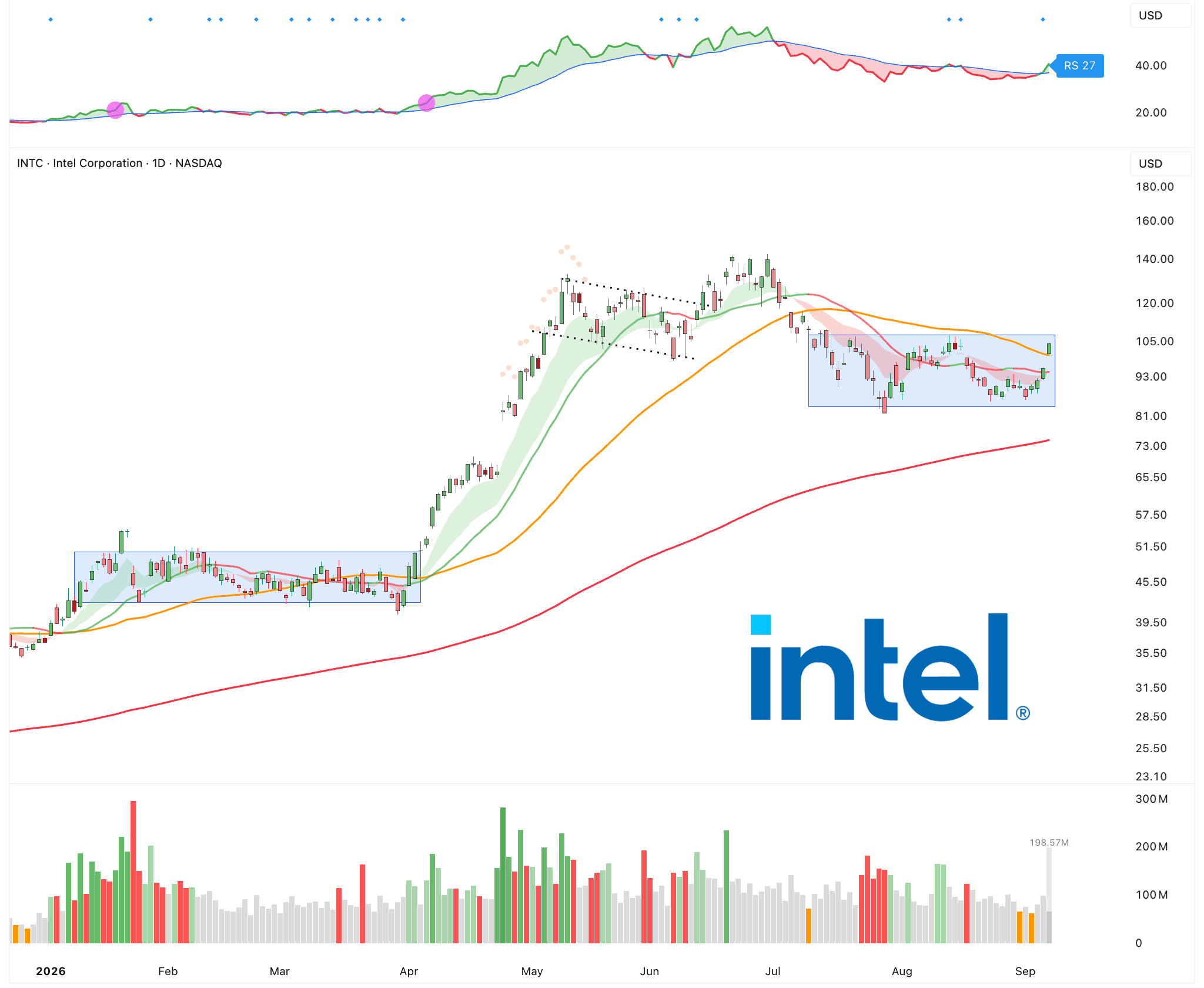
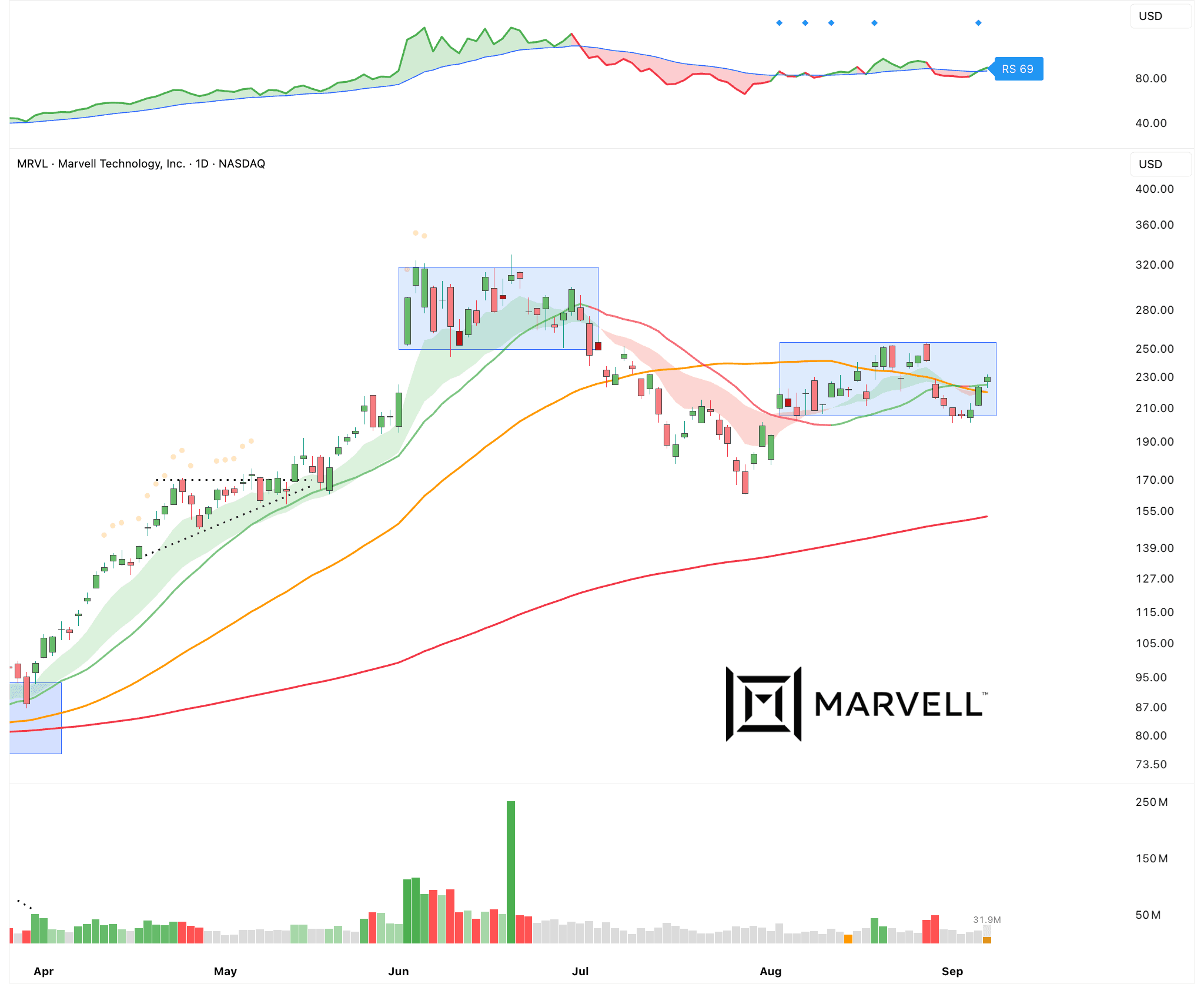
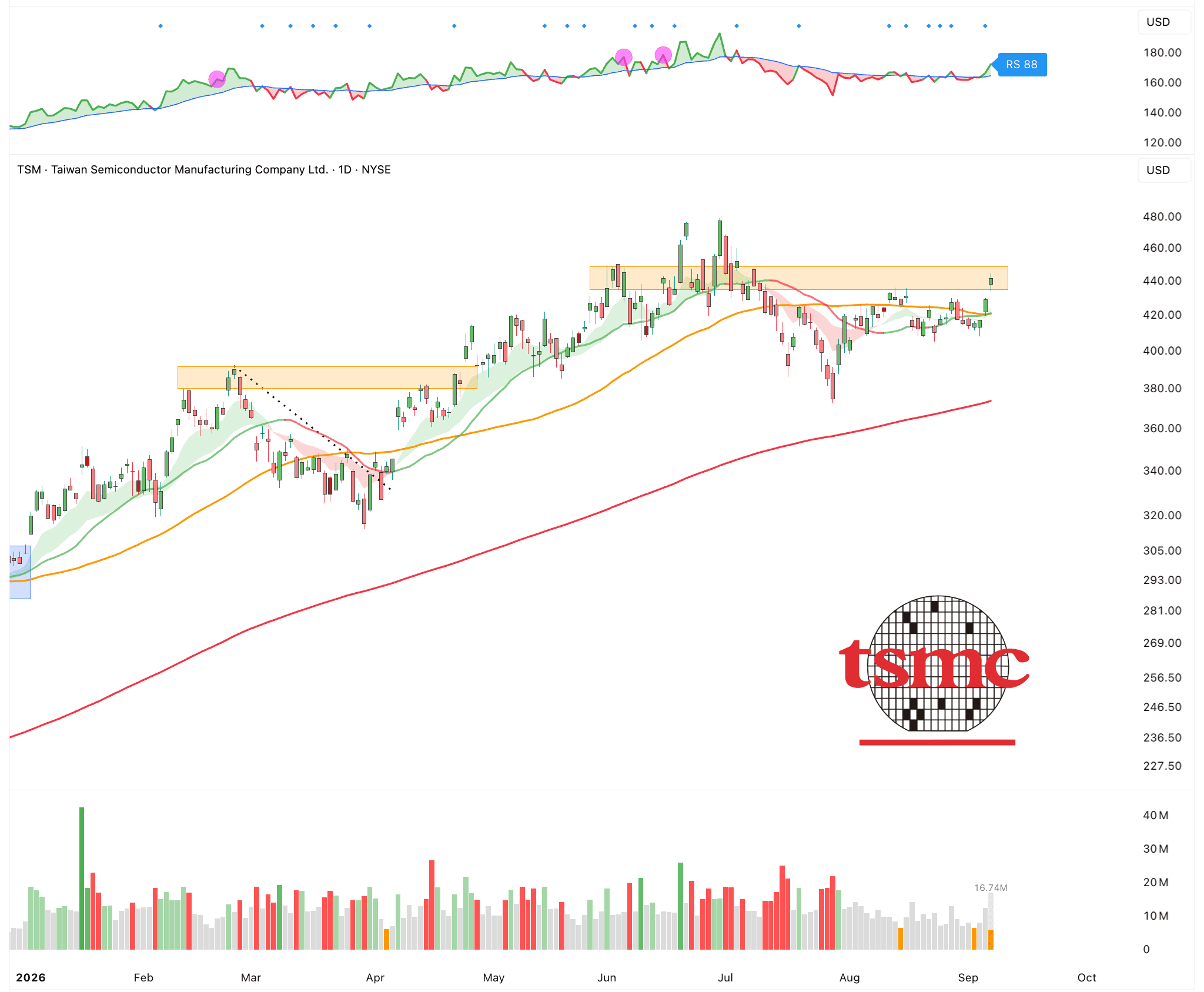
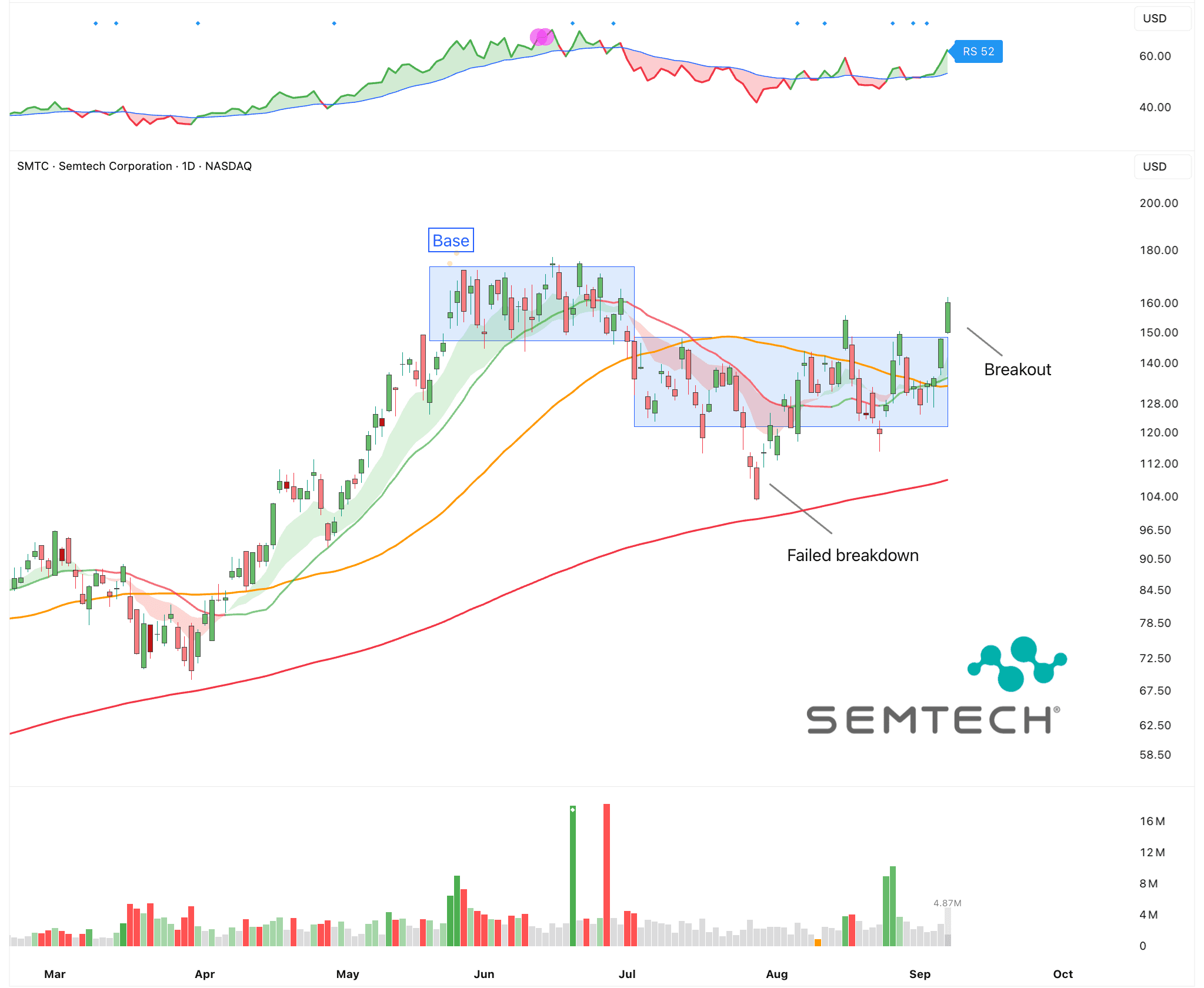
So, here are some of the key names that are interesting right now. Most of them should be familiar. And there plenty more, but these specifically are or could be actionable soon.
1. Semis:
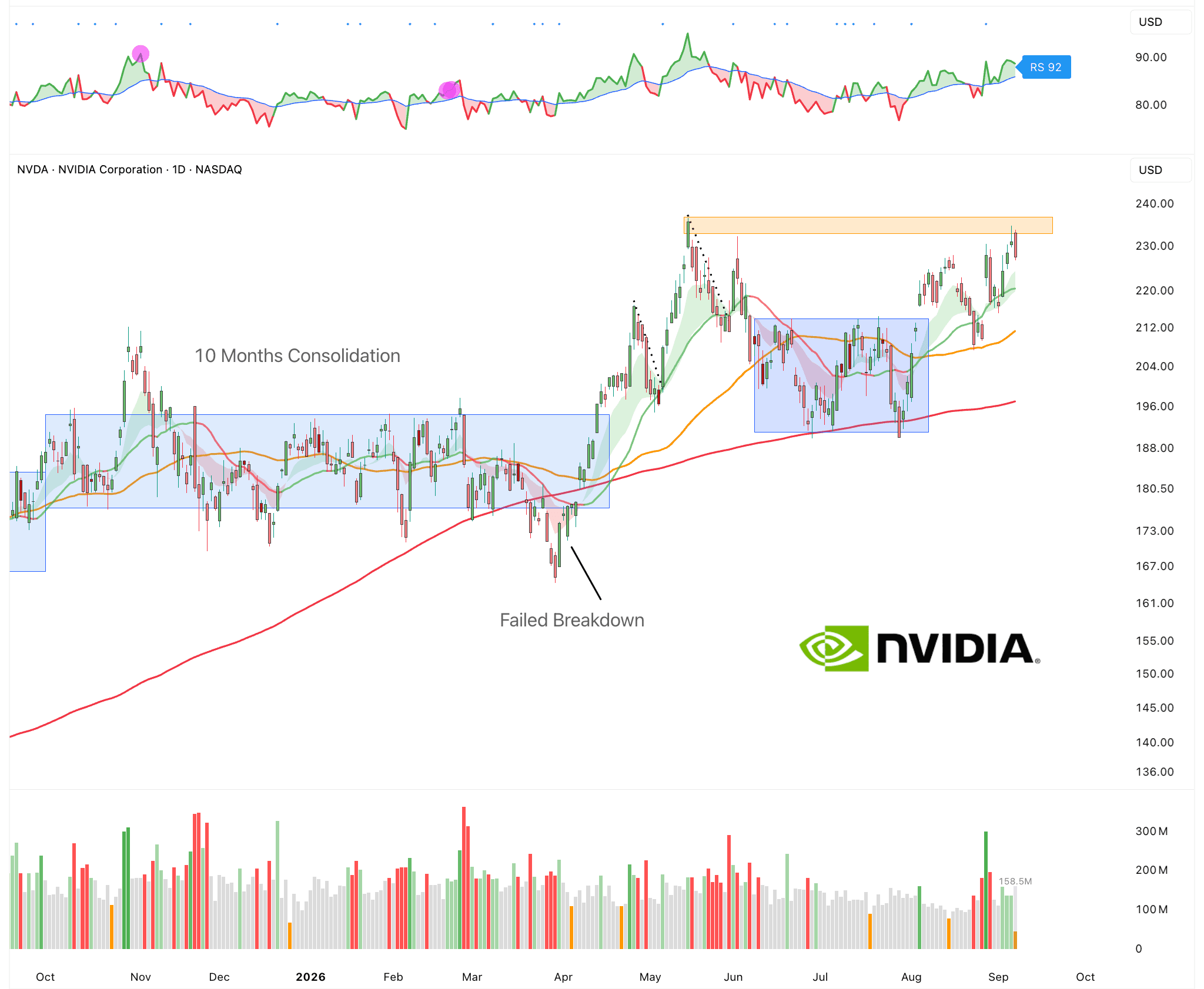
Nvidia $NVDA
Micron $MU

Sandisk $SNDK

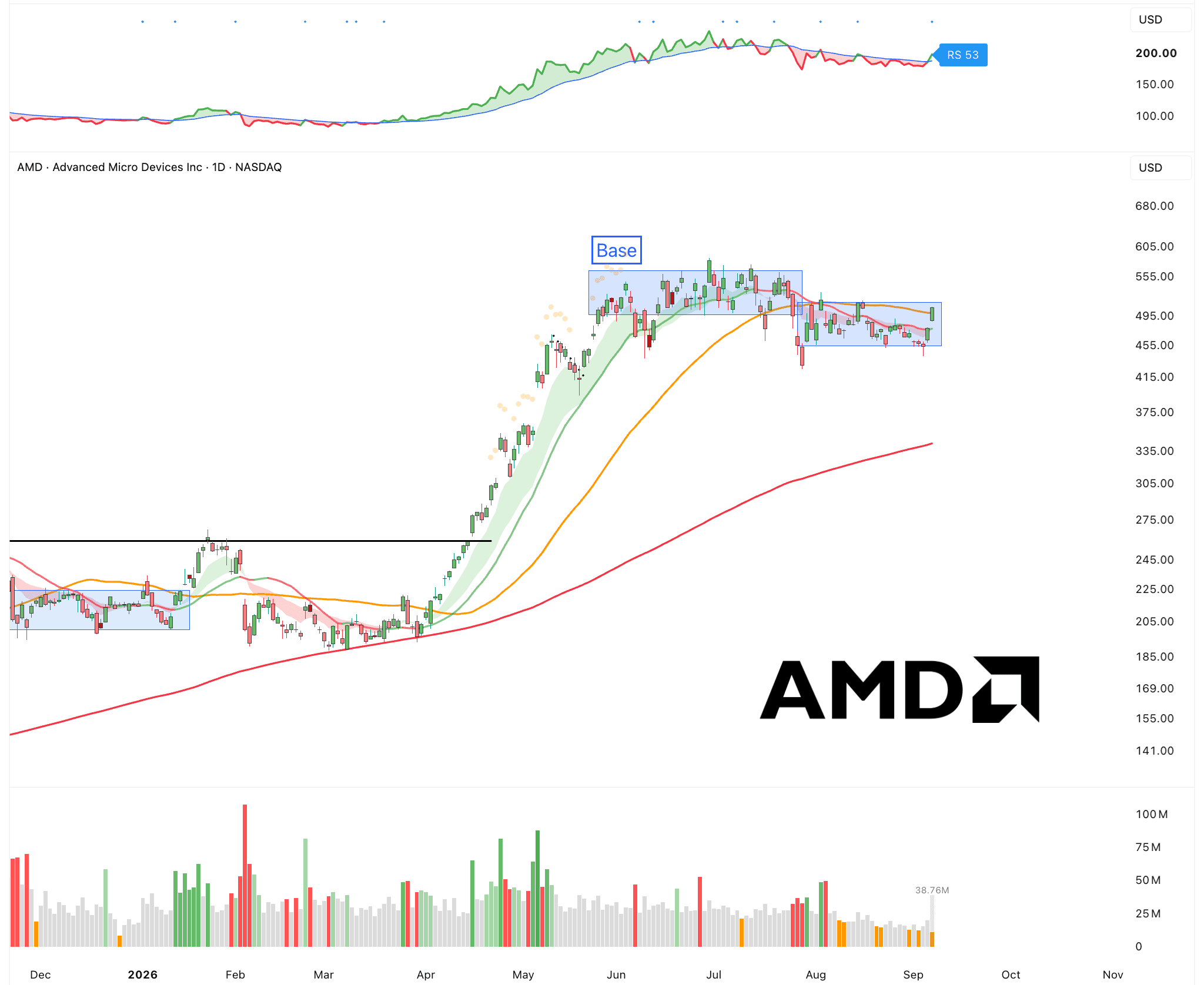
AMD $AMD
Intel $INTC
Marvell $MRVL
TSMC $TSM
Semtech $SMTC
2. Infrastructure
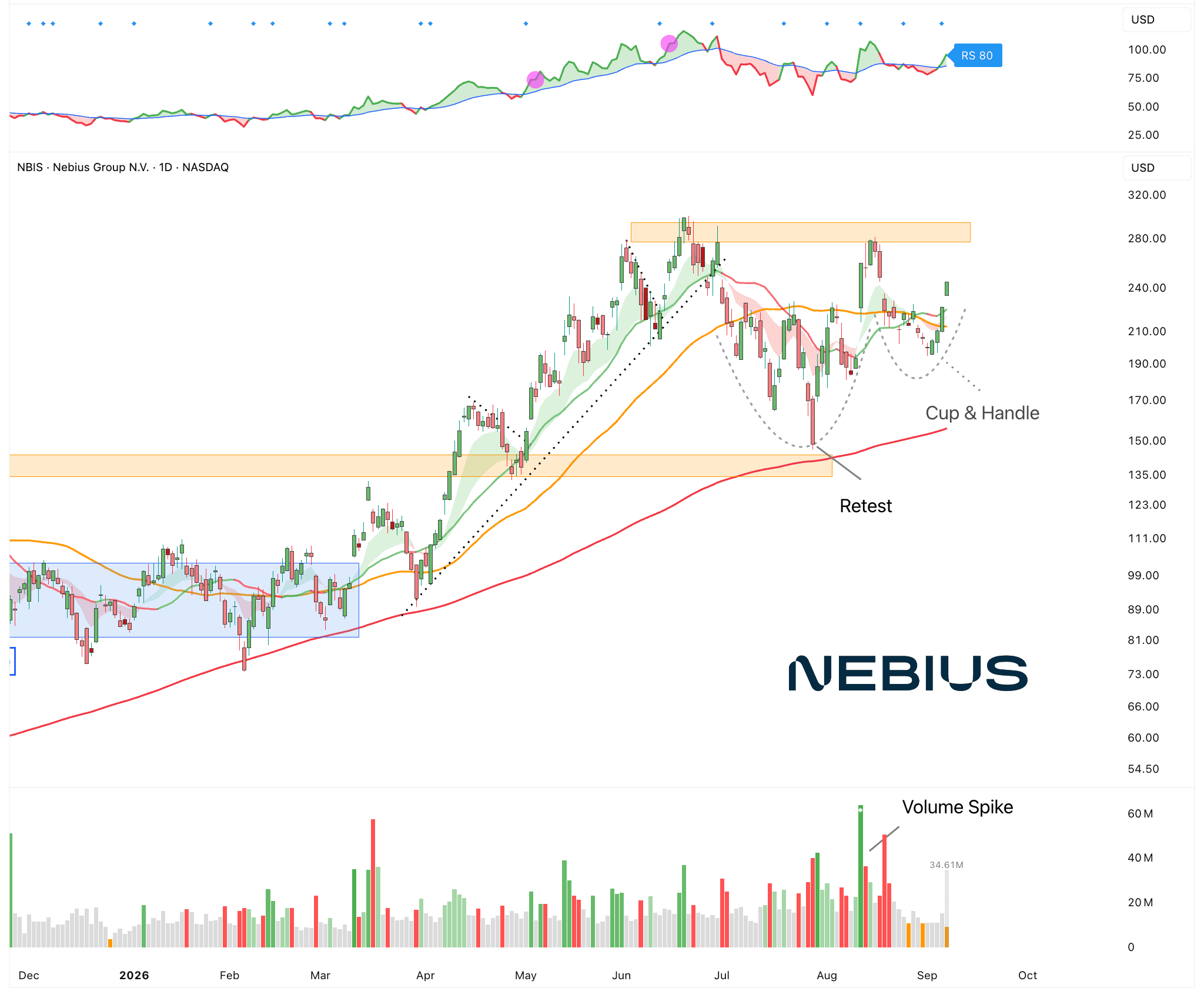
Nebius $NBIS
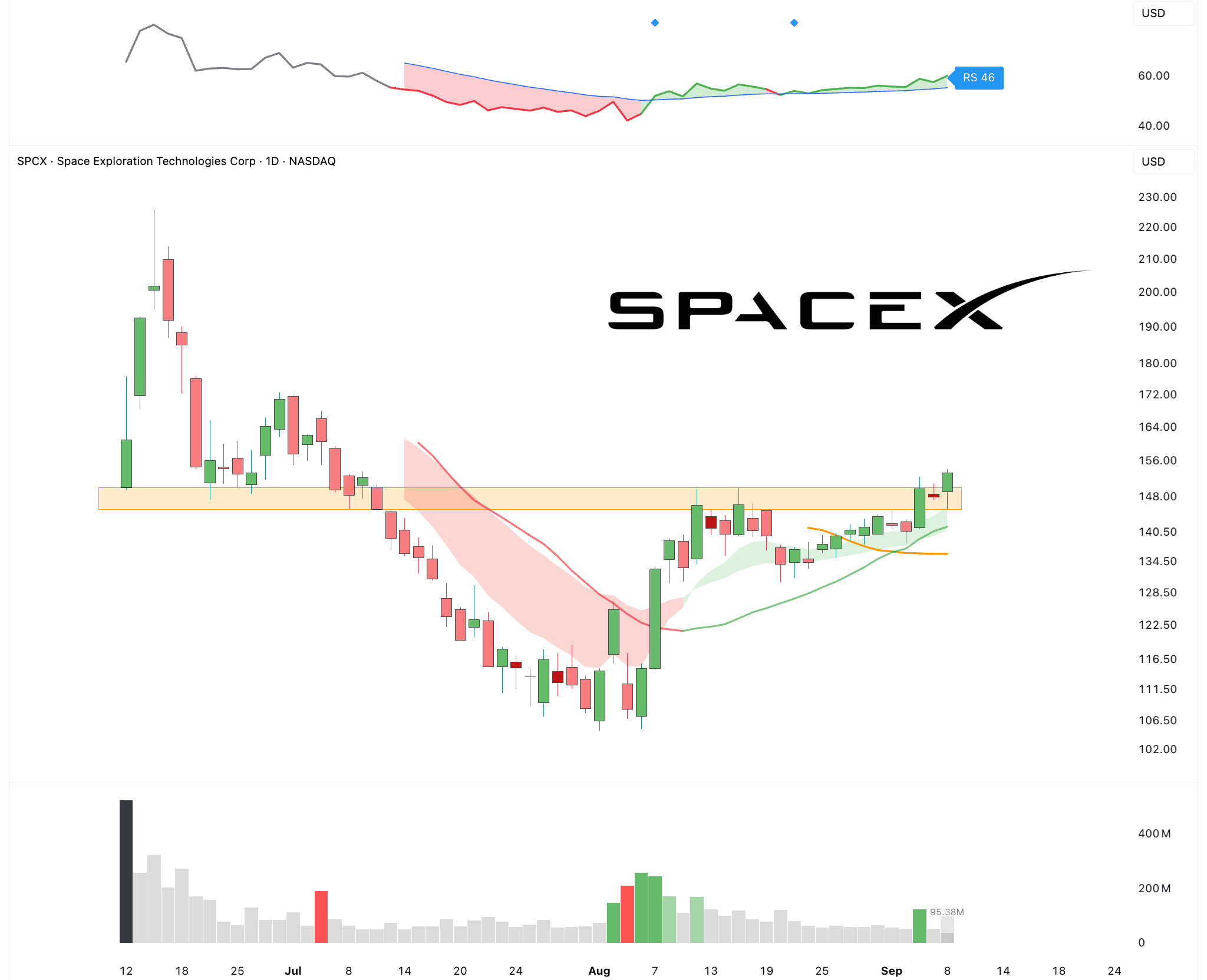
SpaceXAI $SPCX
Dell $DELL

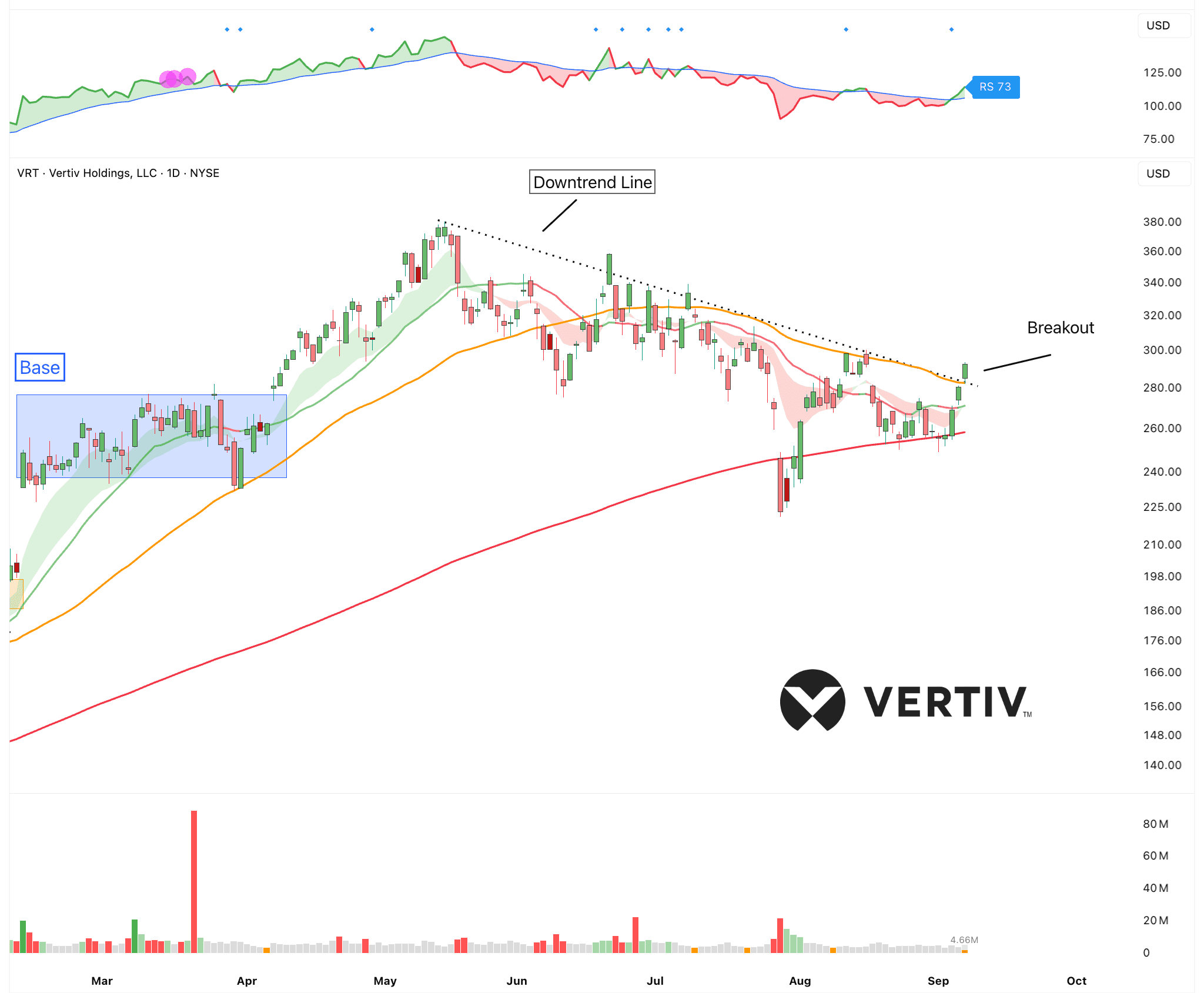
Vertiv $VRT
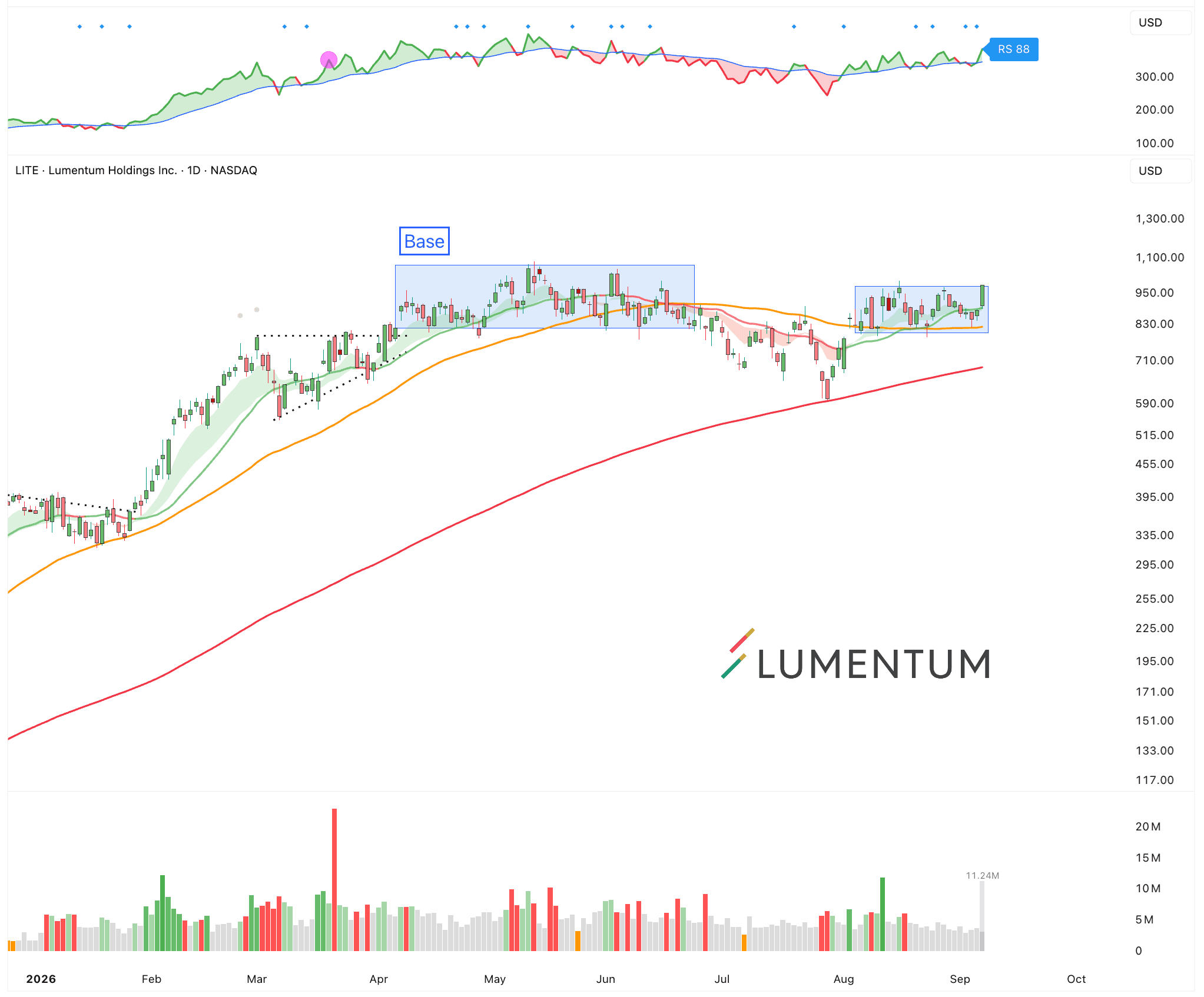
Lumentum $LITE
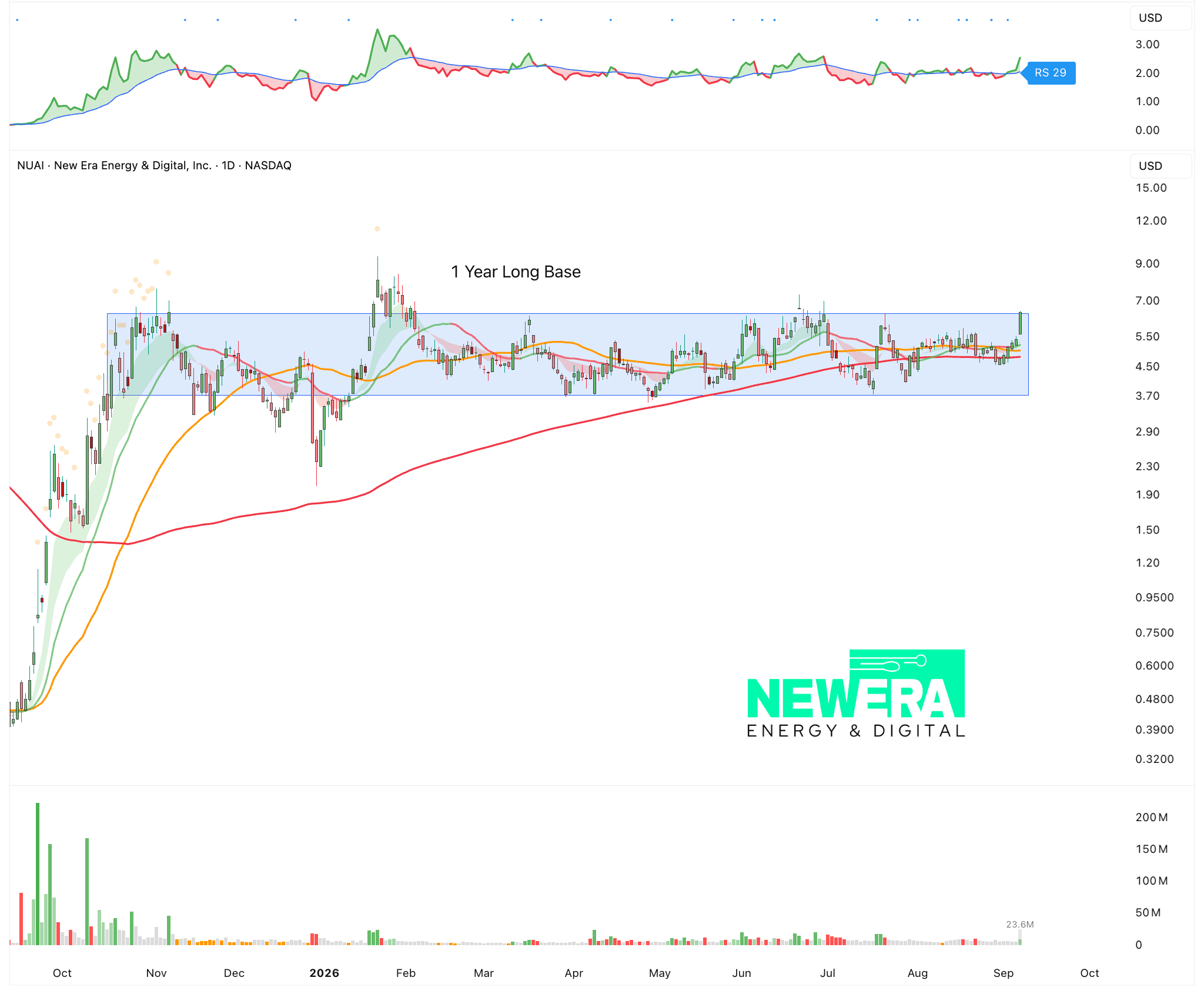
New Era Digital $NUAI
3. Energy
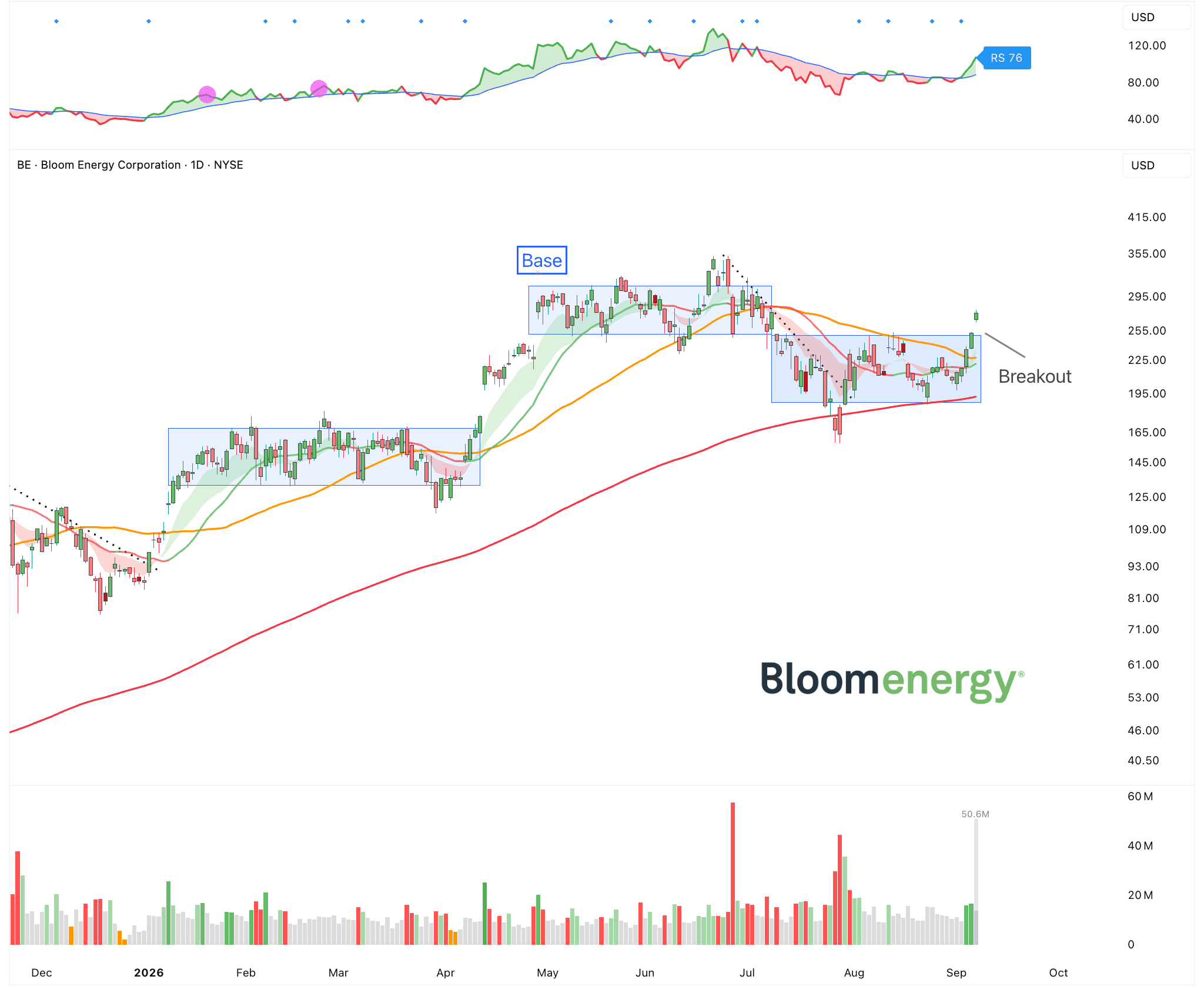
Bloom Energy $BE
Previous Updates
View All
- Weekly Market Update: Earnings Season is Back
- Weekly Market Update: Big Tech Divergence
- Weekly Market Update: Accumulation
- Weekly Market Update: The Best Quarter
- Weekly Market Update: Rate Hikes
- Weekly Market Update: AI is Not Slowing Down
- Market Update: Has AGI Arrived?
- Weekly Market Update: Consolidation
- Weekly Market Update: September is Here
- Market Update: Nvidia Crushes Earnings
- Weekly Market Update: Yields
- Market Update: The Future of Biotech
- Weekly Market Update: Earnings Acceleration