Go Back

Lin
AAPL
Buy
Buy: $APH
Amphenol is one of the companies that makes AI hardware actually work.
AI data centers and GPU servers need to move huge amounts of power and data very quickly. Amphenol makes the physical parts that make those connections possible. They build the high-speed connectors, cables, and sensors that sit between GPUs, memory chips, networking switches, cooling units, and power systems.
AI hardware is very demanding.
Signals move at extremely high speeds and temperatures inside the servers is intense. A weak connector can cause data errors, overheating, or even full system failure. AI simply doesn’t work without stable connections. Amphenol specializes in building those critical components that are strong, stable, and most importantly very reliable.
When someone like Amazon, Microsoft, Nvidia, or Tesla needs a new custom connector or cable system, Amphenol can design it, test it, and produce all in-house. Once those parts are designed into a server or device, they usually stay there for years. That makes the business steady and recurring.
As AI models get larger, data centers need more GPUs, more power, and more high-speed communication between chips. Every step of this growth requires more connectors and more interconnect systems. Amphenol doesn’t have to guess which AI company becomes the winner. They sell to all of them. They benefit from the entire wave of AI expansion.
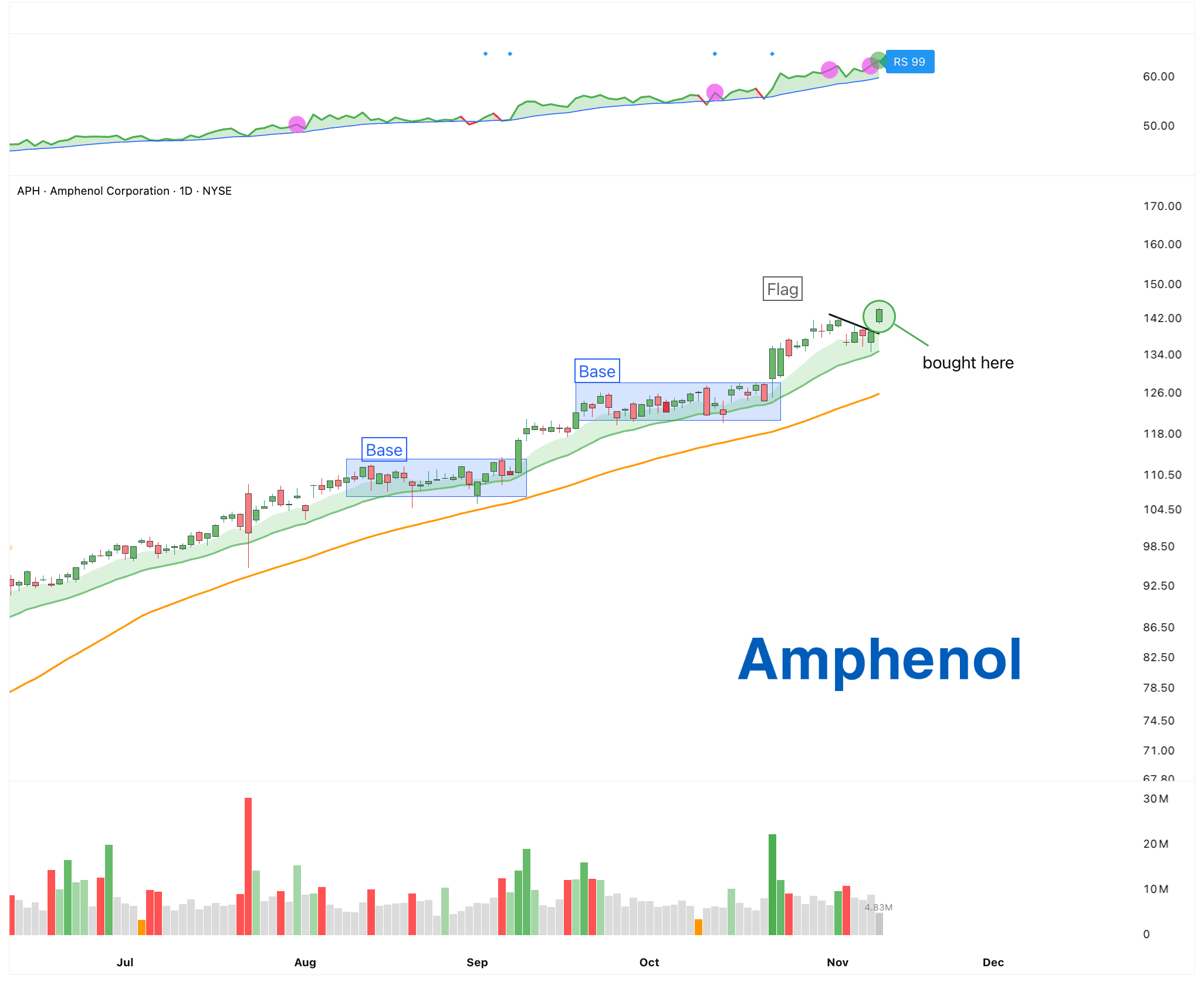
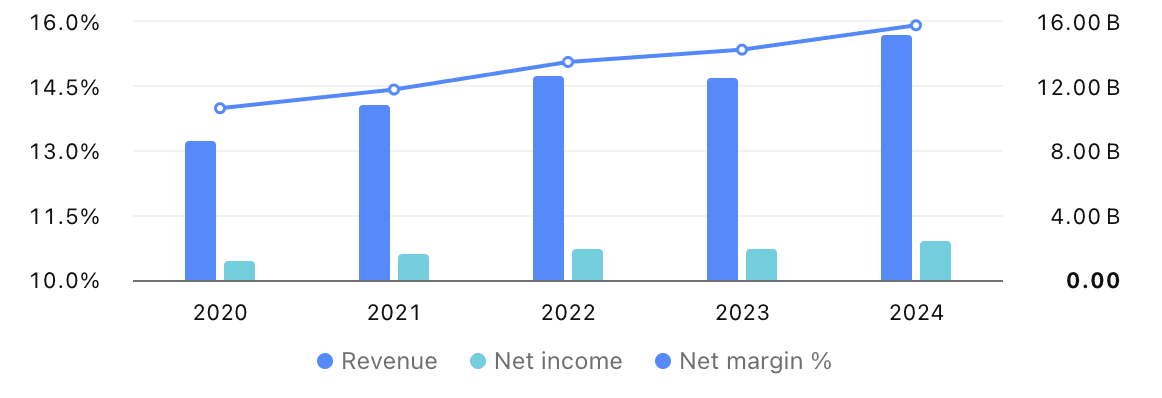
Similar to Celestica, Amphenol has been growing steadily for years with strong margins. But the AI boom has taken that steady growth and pushed it into a new gear. The demand for high-speed data connections inside AI servers is exploding.
Previous Updates
View All
- Weekly Market Update: Earnings Season is Back
- Weekly Market Update: Big Tech Divergence
- Weekly Market Update: Accumulation
- Weekly Market Update: The Best Quarter
- Weekly Market Update: Rate Hikes
- Weekly Market Update: AI is Not Slowing Down
- Market Update: Has AGI Arrived?
- Weekly Market Update: Consolidation
- Weekly Market Update: September is Here
- Market Update: Nvidia Crushes Earnings
- Weekly Market Update: Yields
- Market Update: The Future of Biotech
- Weekly Market Update: Earnings Acceleration