Go Back

Lin
Market Update: The Next Phase of AI
Early January is one of my favorite times of the year.
Not just because it’s a fresh start, but because the biggest Consumer Electronics Show (CES) happens right now.
It’s the best glimpse into the future.
All the newest ideas and technologies show up here. AI. Robotics. Smart glasses. And a lot more. Watching it all makes my engineering heart beat faster and gets me incredibly excited about the future.
And one of the biggest names at CES is, of course, Nvidia.I highly recommend watching Jensen’s presentation. It’s really good. Many of the topics we’ve already discussed right here. You can watch it here.
But if you do not have the time, here’s the short version.
AI is moving at breakneck speed. It’s ten times bigger and advancing 10x faster than anything we’ve ever seen.
This is not a fad. This is a historic moment. It’s a turning point.
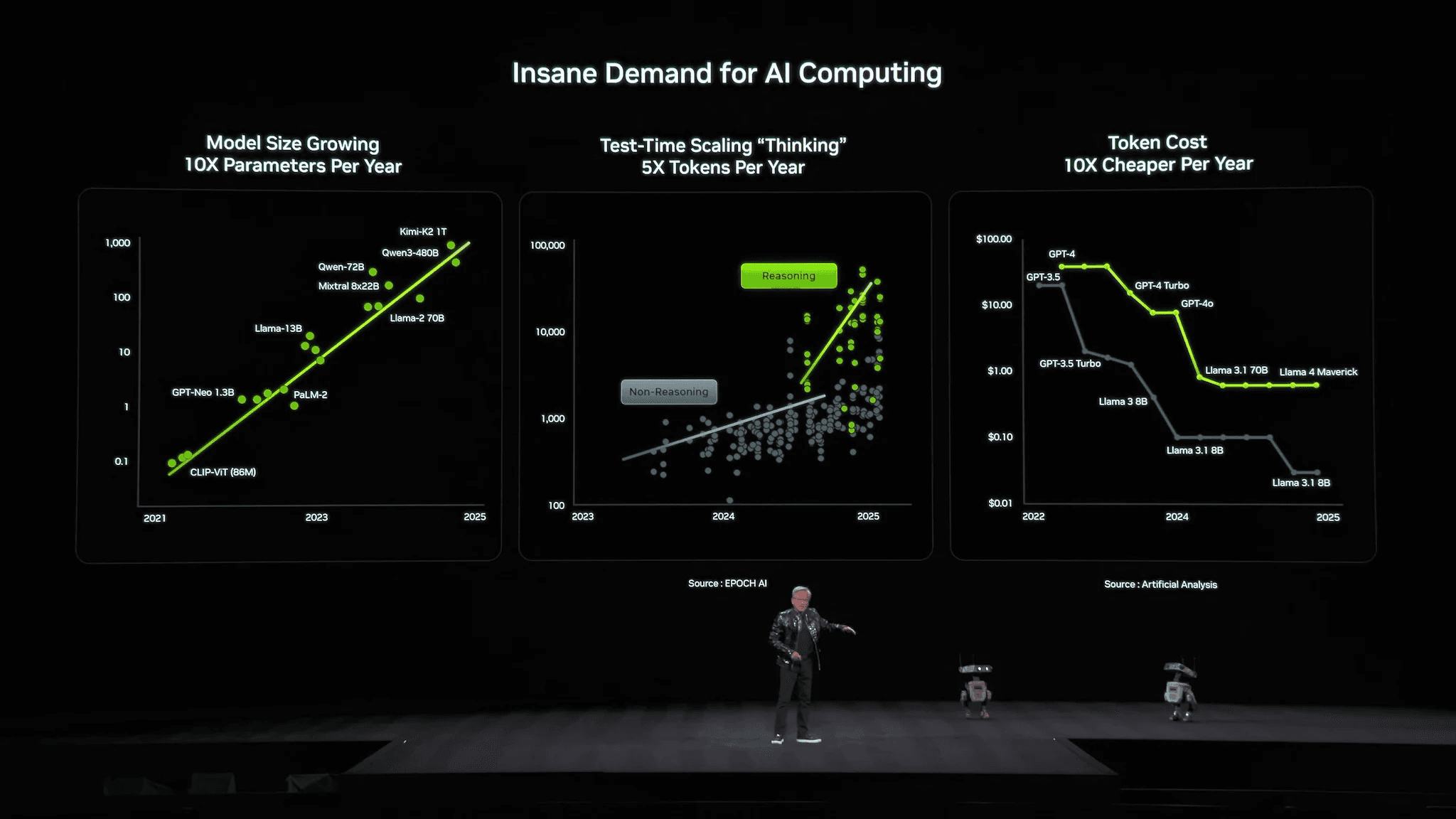
Most people overestimate what AI can do today. But they completely underestimate what it will be able to do in a year or two.
When you move at this incredible pace, every small improvement in technology compounds.
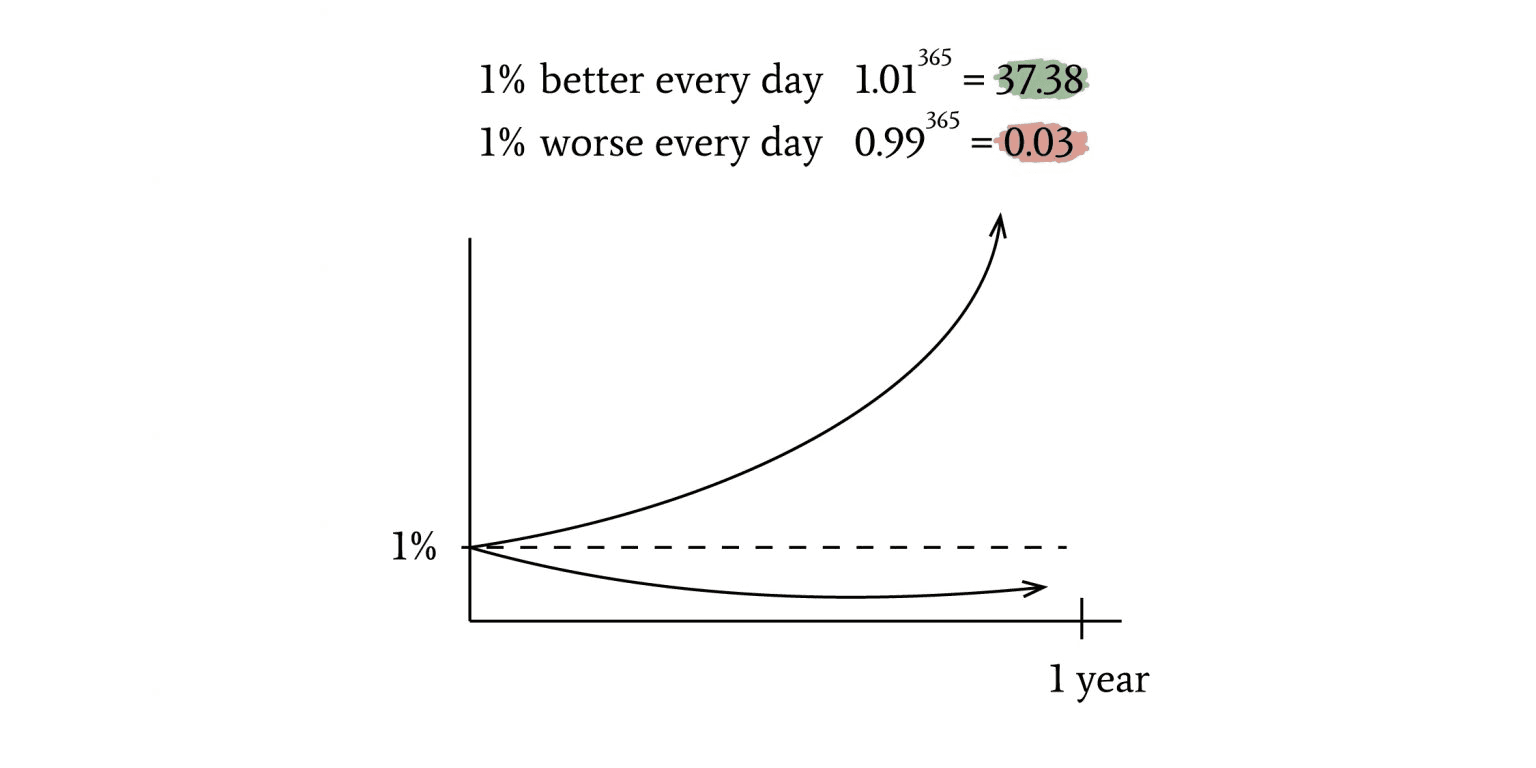
Just as a thought experiment, if you get better by 1% every day, you would be about 37x better by the end of the year.
Now imagine if you are not improving by just 1% but by much more.
So far, AI has mostly been limited to text. For most people, AI means chatbots like ChatGPT. You type something, it answers. But soon, we will move beyond natural language processing and LLMs. AI will become agentic and multimodal.
What comes next is much bigger.
AI will move beyond just understanding words. It will see images, hear sounds, watch videos, and understand the real world. This is what multimodal means. One system that can read, listen, watch, and respond all at once.
At the same time, AI will become agentic.
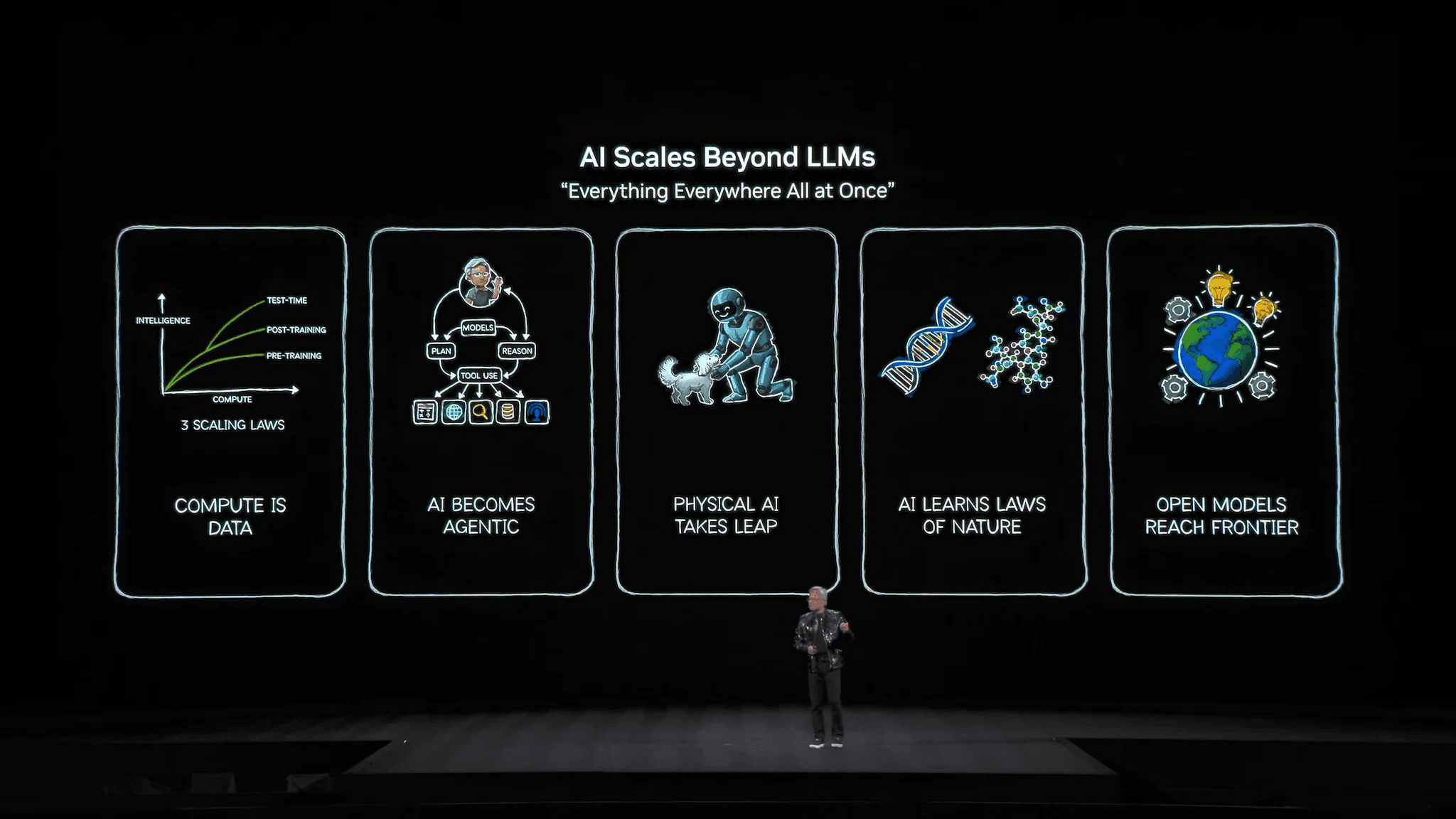
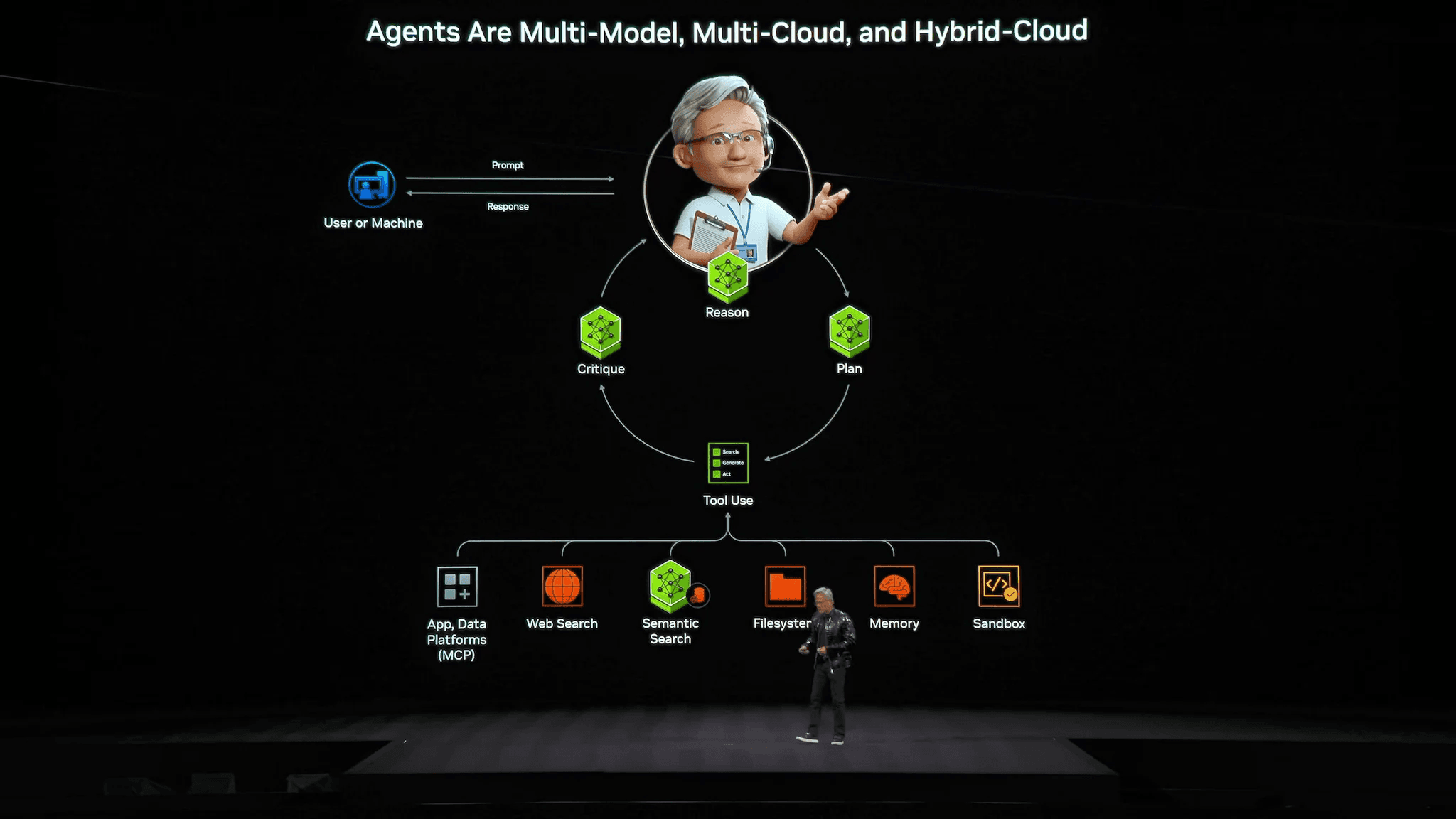
That means it will not just answer questions. It will take actions. It will plan steps, make decisions, use tools, and work toward goals on its own. Instead of asking AI to write an email, you will ask it to handle a task. It will decide what to do, when to do it, and how to do it.
AI will be able to call other AI agents to help. It will work with images and videos. And most importantly, it will handle real world tasks.
2026 is likely the year we see a real breakthrough moment. Think ChatGPT, but for physical AI. Robotaxis will likely roll out at scale, with humanoid robots following a year or two later.
Nvidia just released a full new robotics stack. That includes robot foundation models, simulation tools, and specialized hardware. It wants to be a full stack robotics provider or the default platform for robotics, just like Windows became the default for PCs or Android for smartphones.
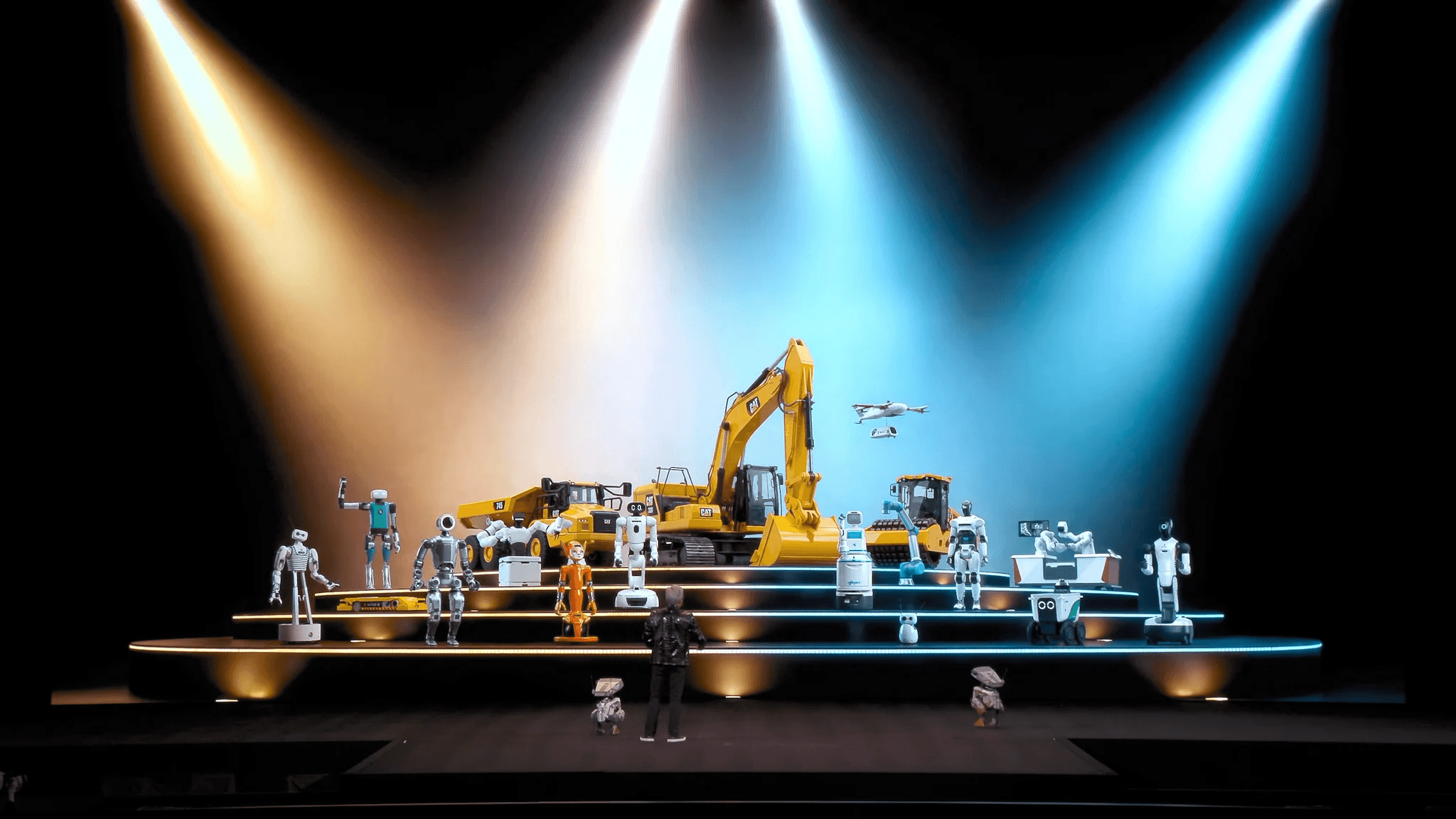
These are multi-trillion markets emerging from 0.
All of these require exponentially more compute: Text → Reasoning → Agents → Images → Videos → Physics → Real-word Applications
There is basically no limit for how much processing power we can use. Every jump in compute unlocks new things we simply could not do before.
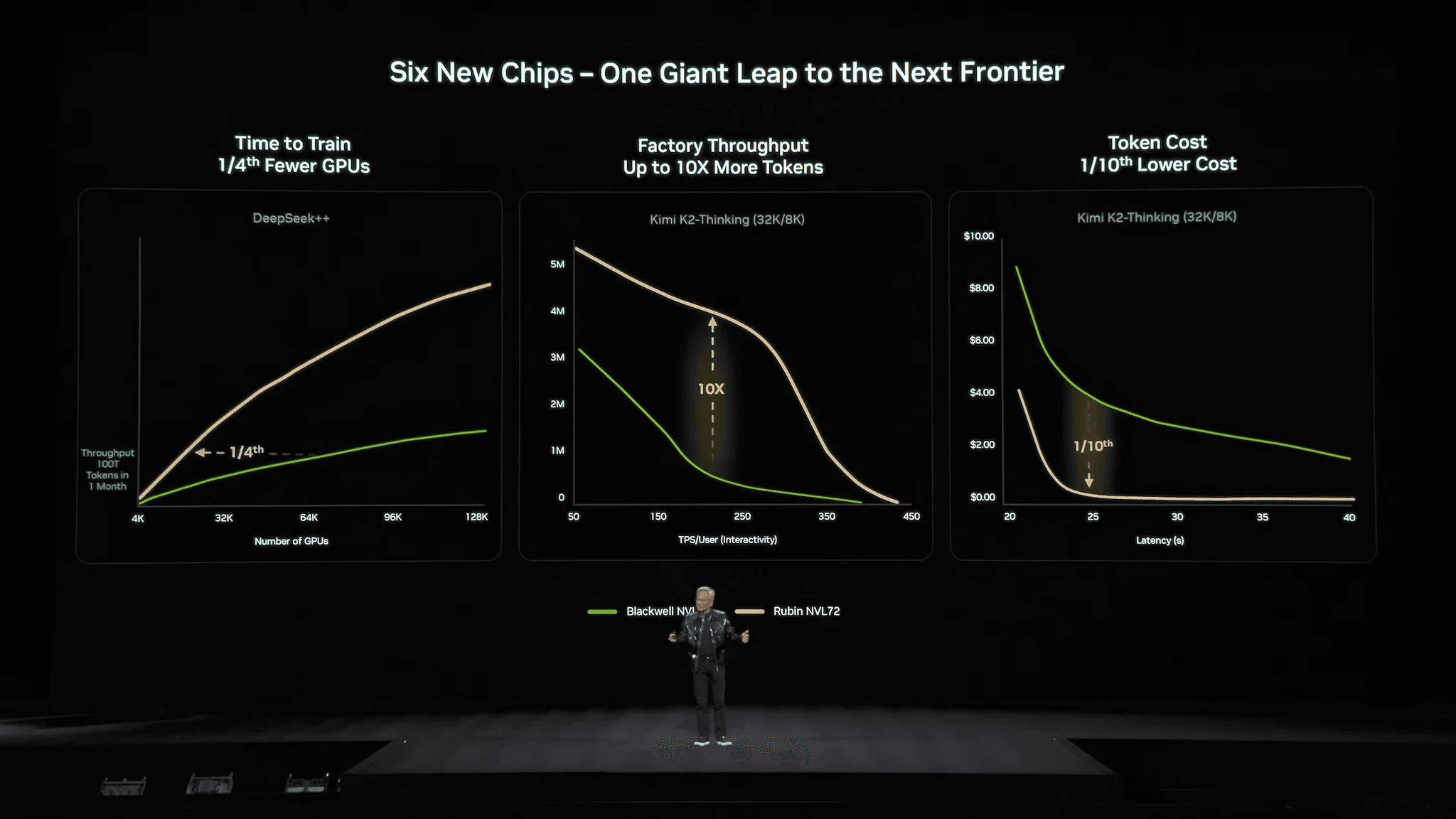
AI is one of the rare platform technologies. It does not just create new products. It makes almost every other technology better at the same time.
And Nvidia is sitting on the forefront of this tech revolution.
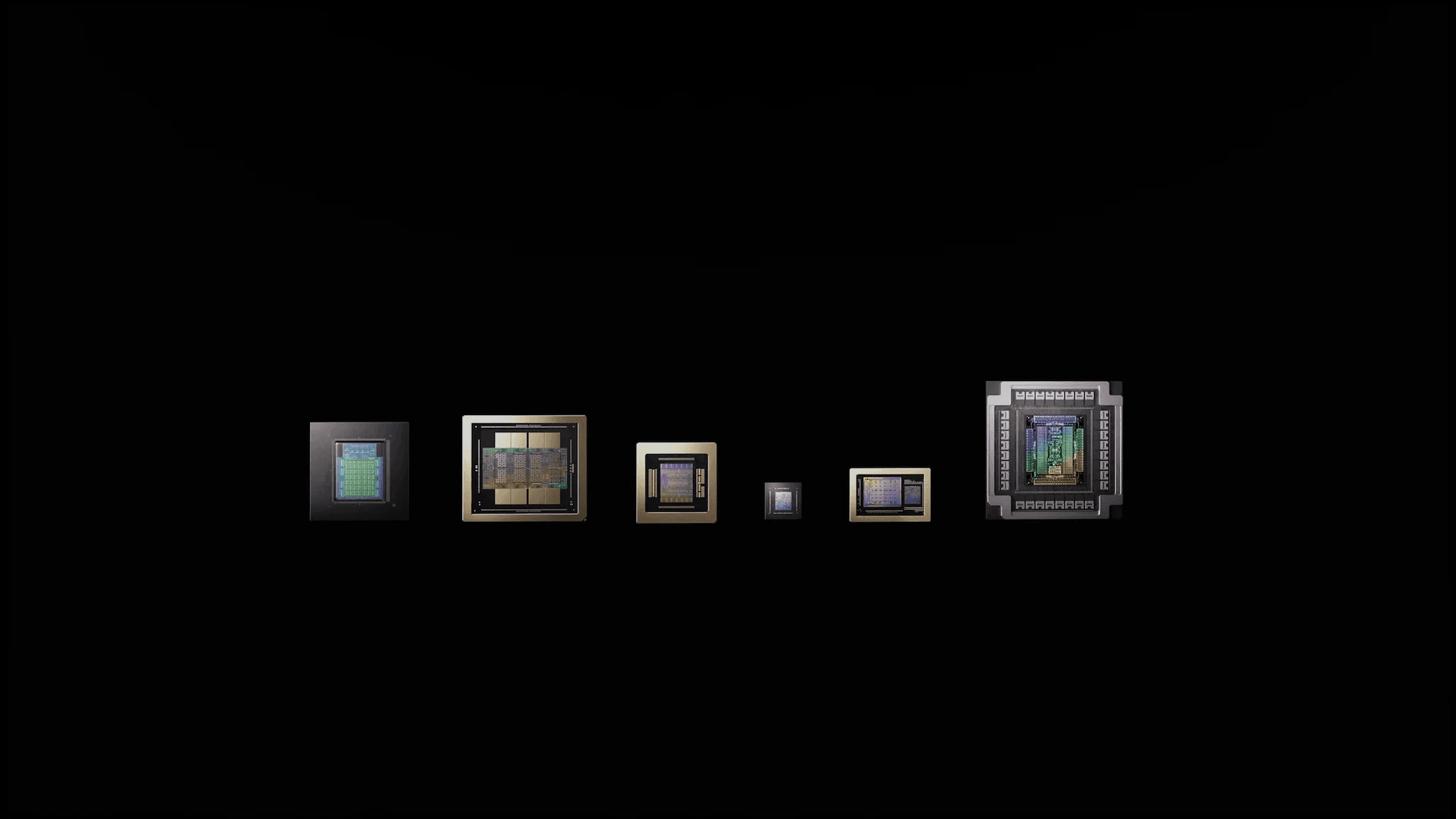
They just announced their next generation chips, called Vera Rubin. And it is not just one chip. It is actually 6 new chips, all redesigned from the ground up.
There is no doubt in my mind that Nvidia will stay at the frontier of innovation and continue to lead the AI era.
Previous Updates
View All
- Weekly Market Update: Earnings Season is Back
- Weekly Market Update: Big Tech Divergence
- Weekly Market Update: Accumulation
- Weekly Market Update: The Best Quarter
- Weekly Market Update: Rate Hikes
- Weekly Market Update: AI is Not Slowing Down
- Market Update: Has AGI Arrived?
- Weekly Market Update: Consolidation
- Weekly Market Update: September is Here
- Market Update: Nvidia Crushes Earnings
- Weekly Market Update: Yields
- Market Update: The Future of Biotech
- Weekly Market Update: Earnings Acceleration