Go Back

Lin
Weekly Market Update: September Weakness
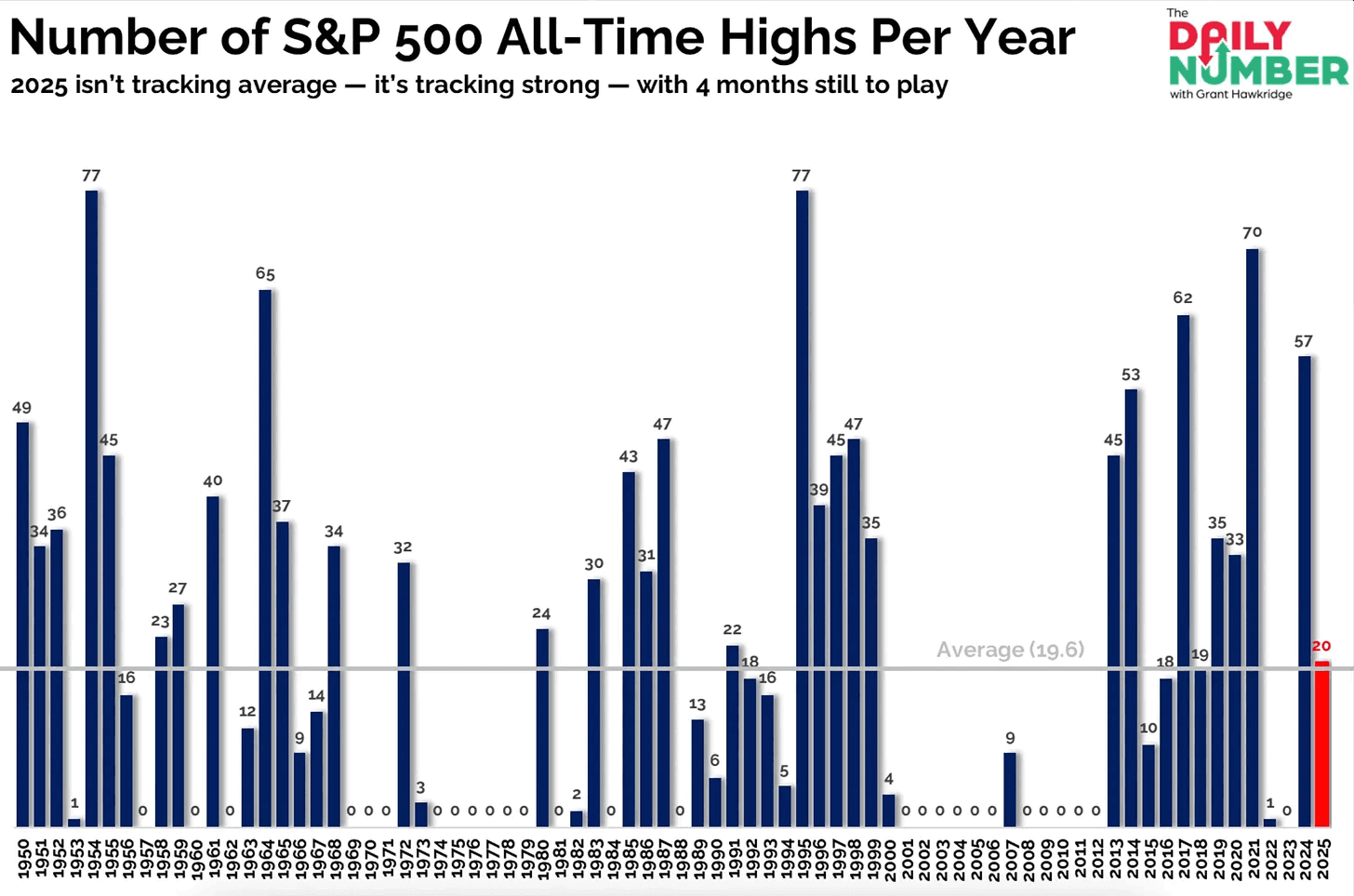
August is behind us, and the market has now posted four positive months in a row. Even with the volatility, the S&P 500 hit its 20th all-time high of 2025 on Thursday
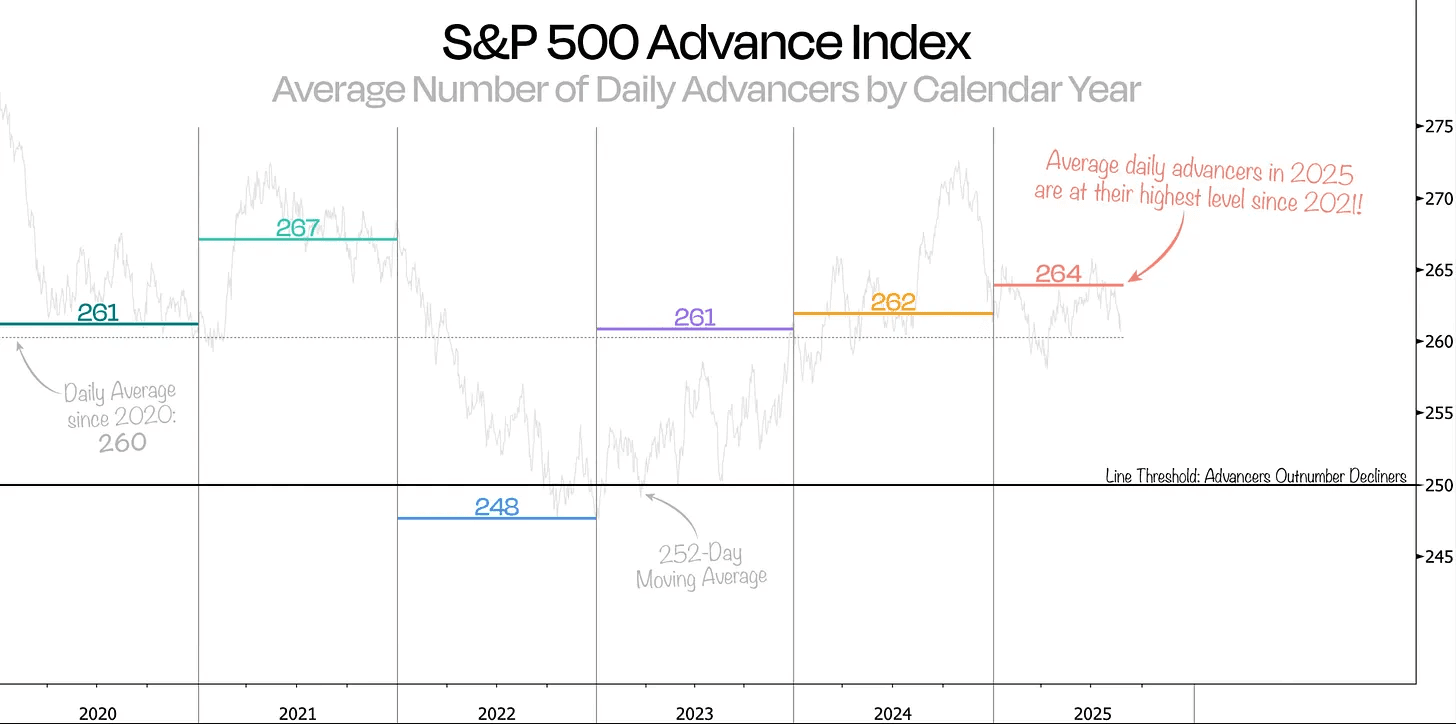
Market participation is broadening.
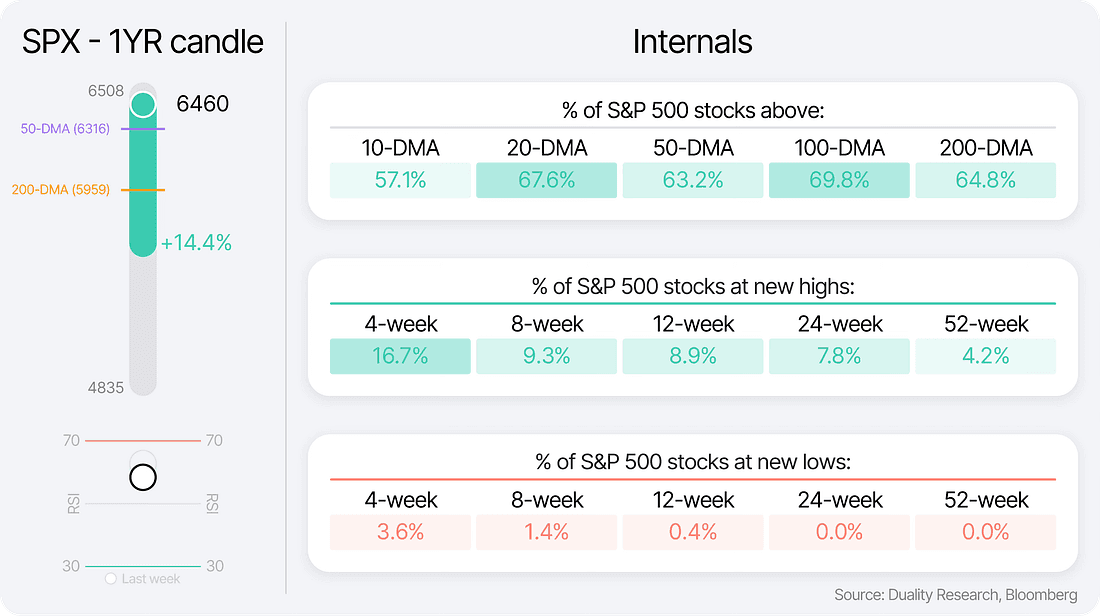
The average number of S&P 500 stocks advancing each day is the highest since 2021, and over 64% of stocks are now above their 200-day moving average.
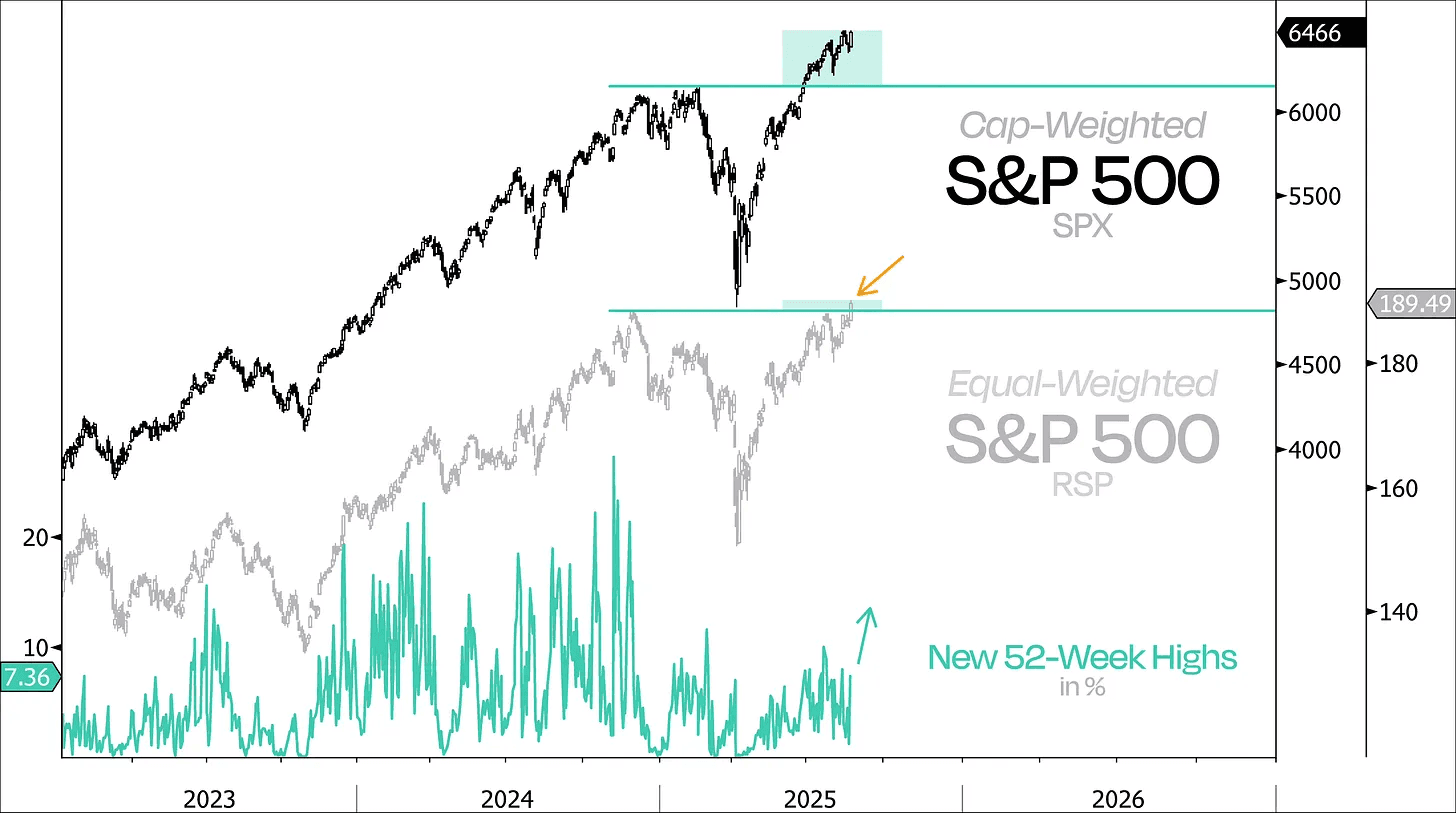
The Equal-Weight S&P 500 has also reached its highest level ever. This confirms that leadership is broadening, not narrowing.
After 4 straight positive months for the market, it might be time for a pause.
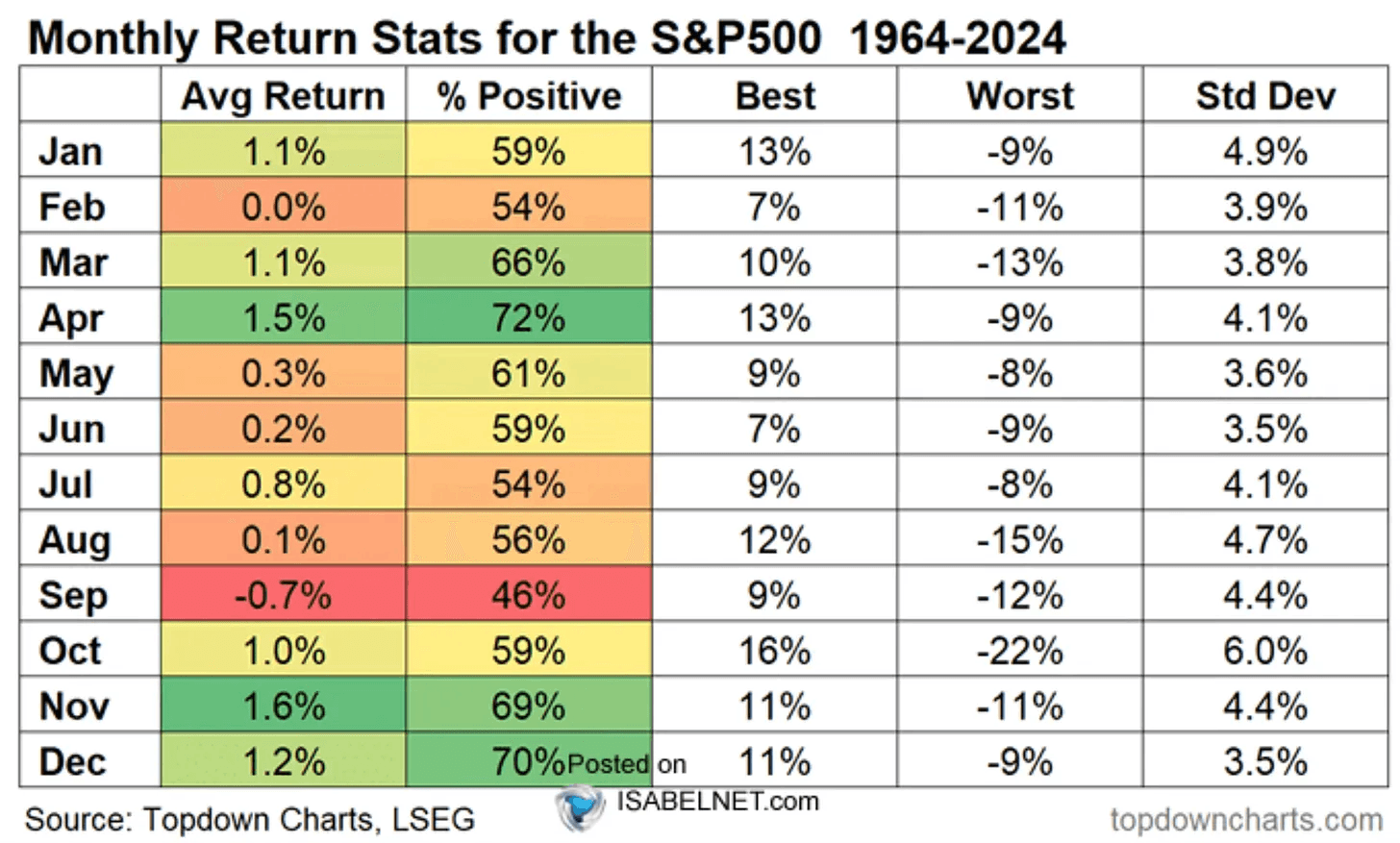
Going back to 1950, September is the weakest month for the S&P 500. Over the last 10 years, it averages a -0.7% decline and is positive only 46% of the time.
It’s the only month of the year where the S&P 500 averages a loss.

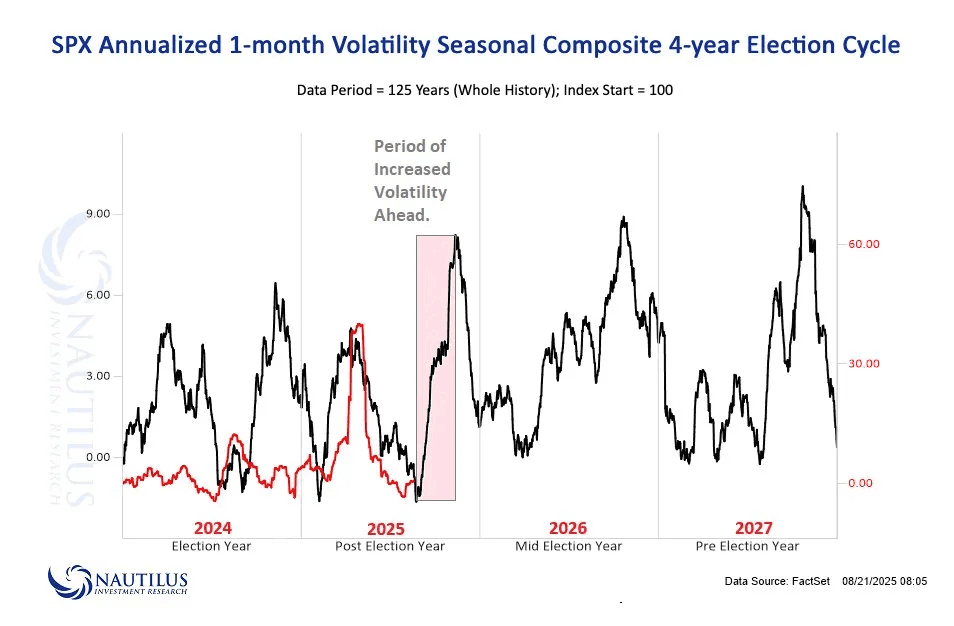
The VIX has fallen for four months. And here is where seasonal volatility tends to pick up.
Again, this does not mean we’re doomed, but it does mean we have statistical evidence that tells us we should be paying more attention to risk management right now.
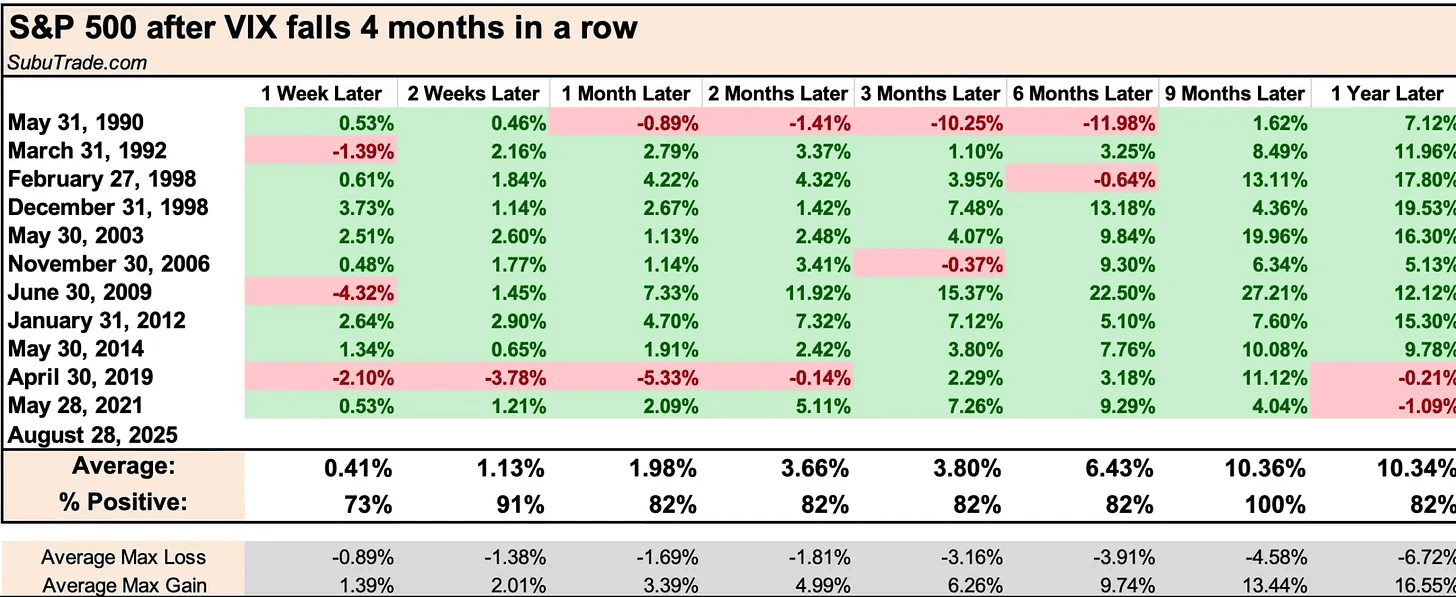
Historically, stretches where the VIX falls for multiple months in a row are generally a bullish sign for stocks.
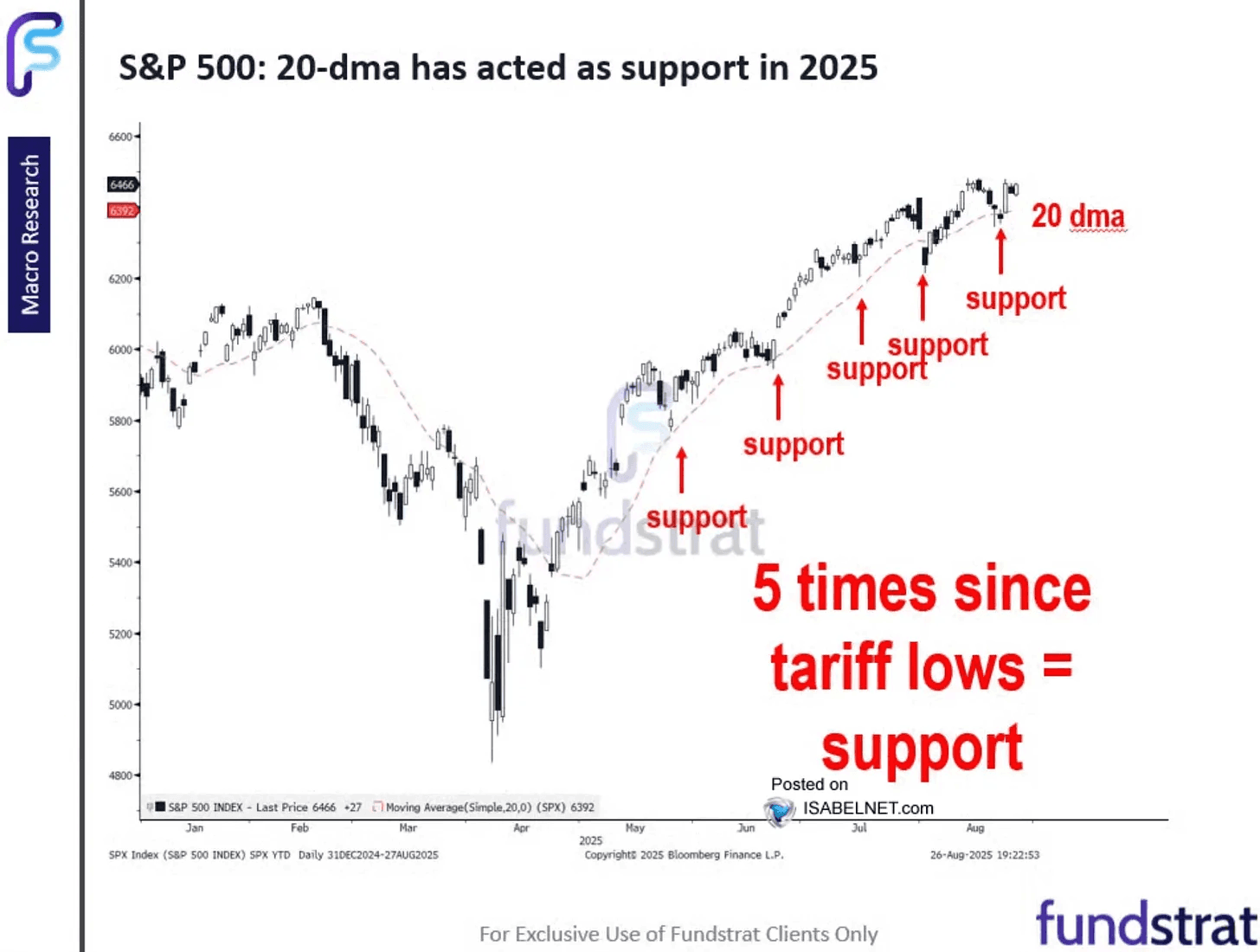
Still, September is likely to bring more volatility. The 20-day moving average has held strong as support this year, making any potential pullback a good opportunity to look for new positions.
How do stocks typically react to rate cuts?
After Powell’s dovish comments, the odds of a September rate cut jumped from 75% to over 91%, with the market now pricing in nearly 100%.
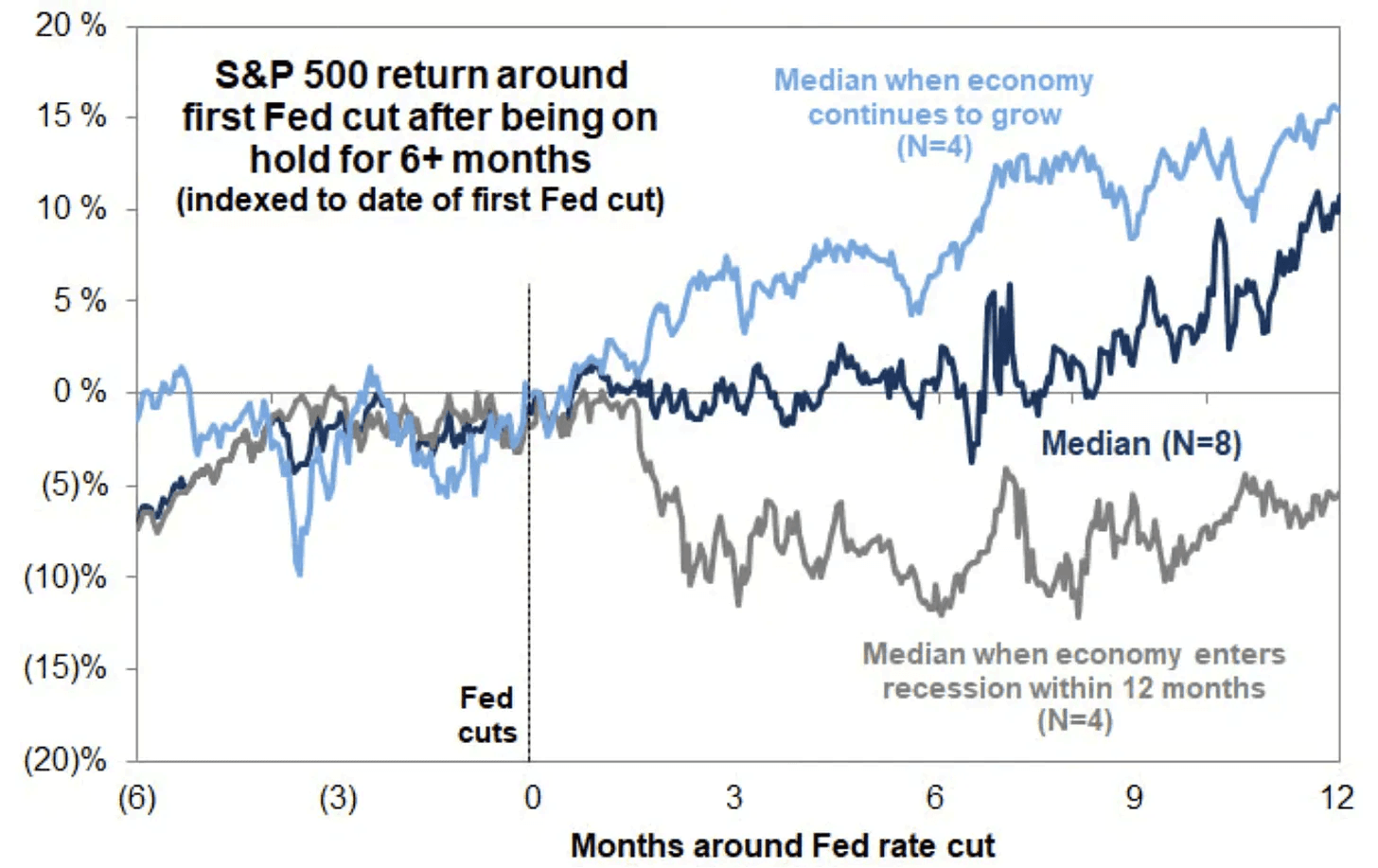
The effect of rate cuts depends on the reason behind them. Cuts due to a weakening economy (recession) are bearish, while precautionary cuts are bullish.
So, it all depends on whether we enter a recession or not.
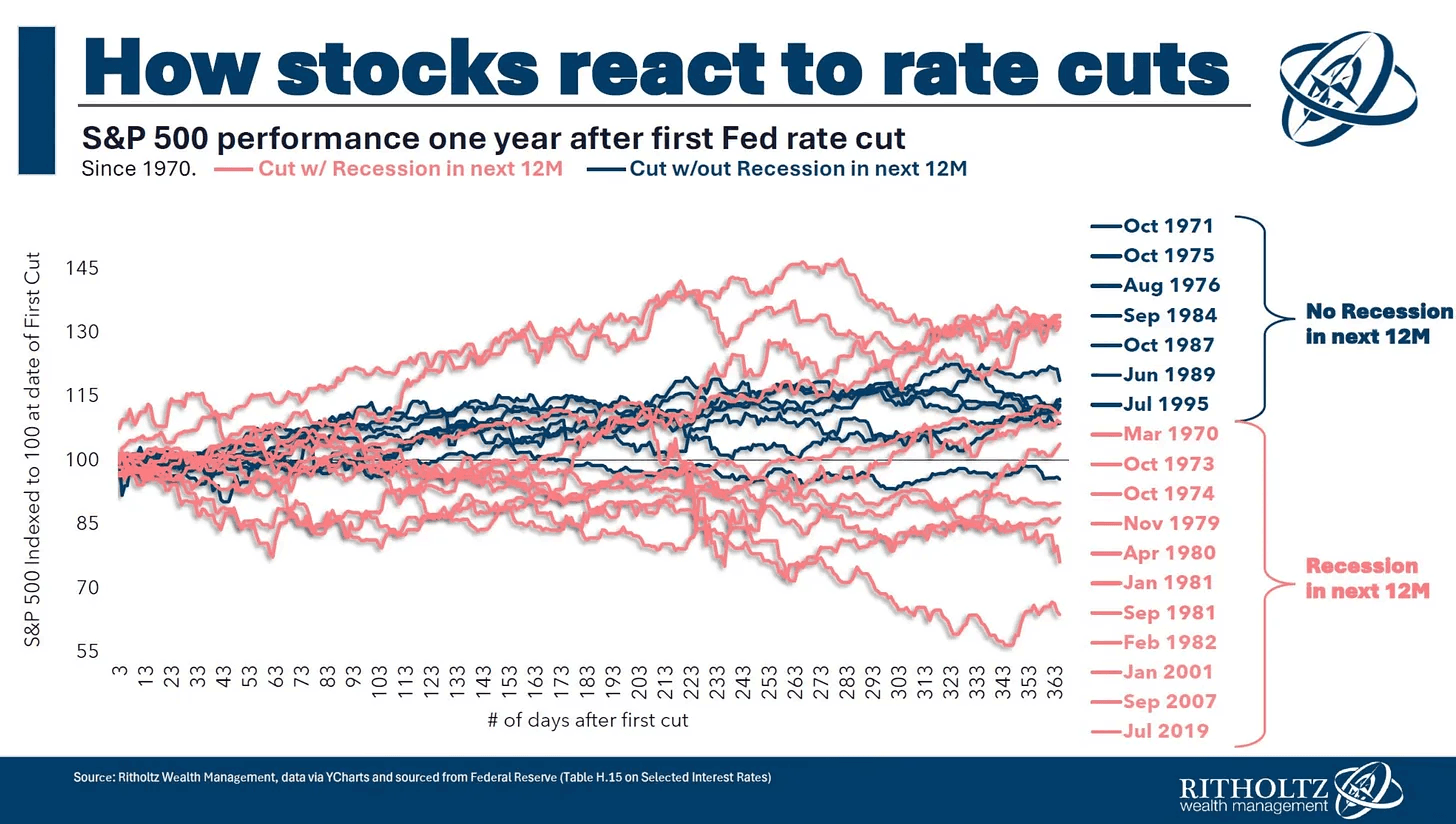
If the economy continues to hold up, rate cuts could act as a major catalyst for the market.
Lower rates make borrowing cheaper, support corporate profits, and generally lift investor confidence. Combined with the momentum from AI innovation, these cuts could push stocks even higher and keep the rally going.
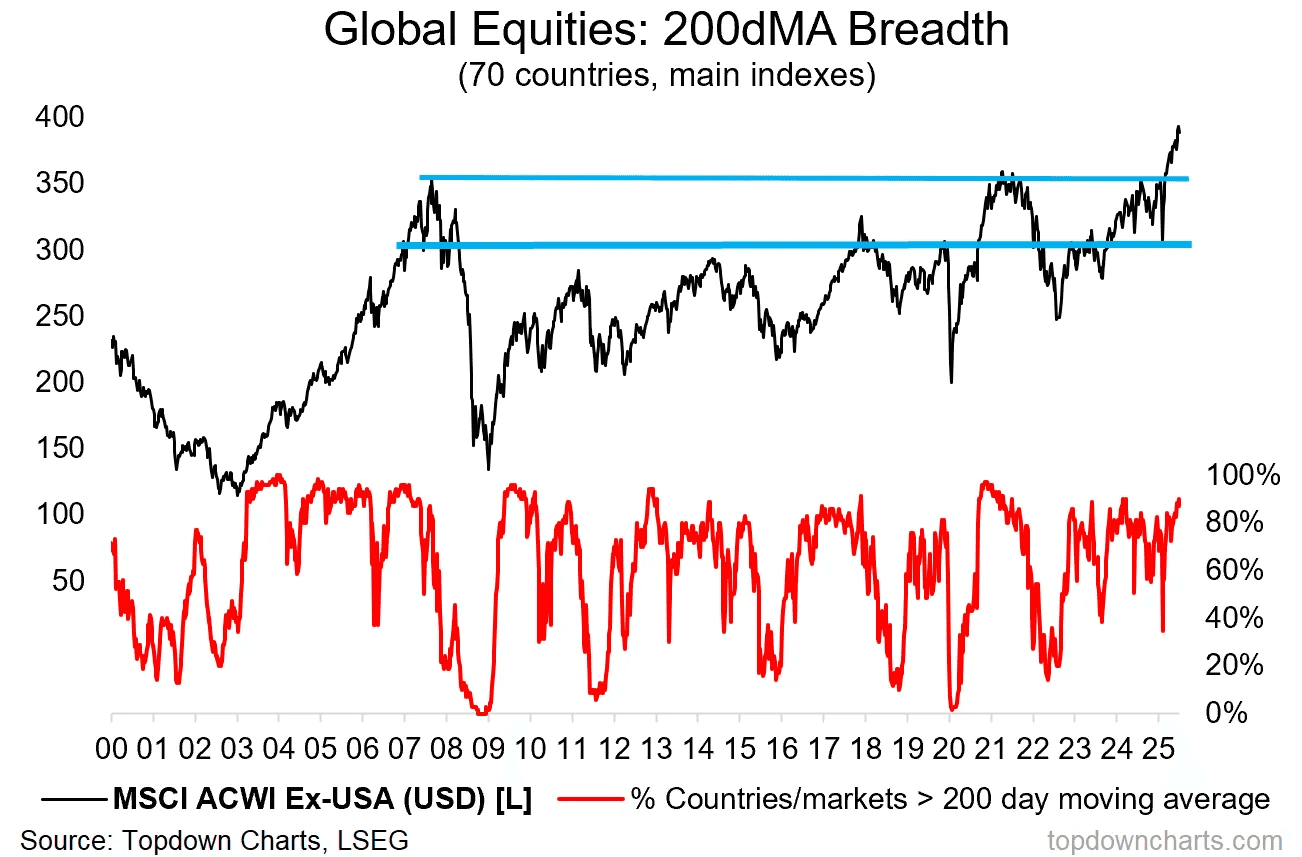
And it’s not just the US that’s booming. Global markets are in a bull run as well. Stocks outside the US remain cheap compared with historical levels and trade at a significant discount.
So if they US stocks pull back, it could be a good opportunity to explore opportunities in international markets.
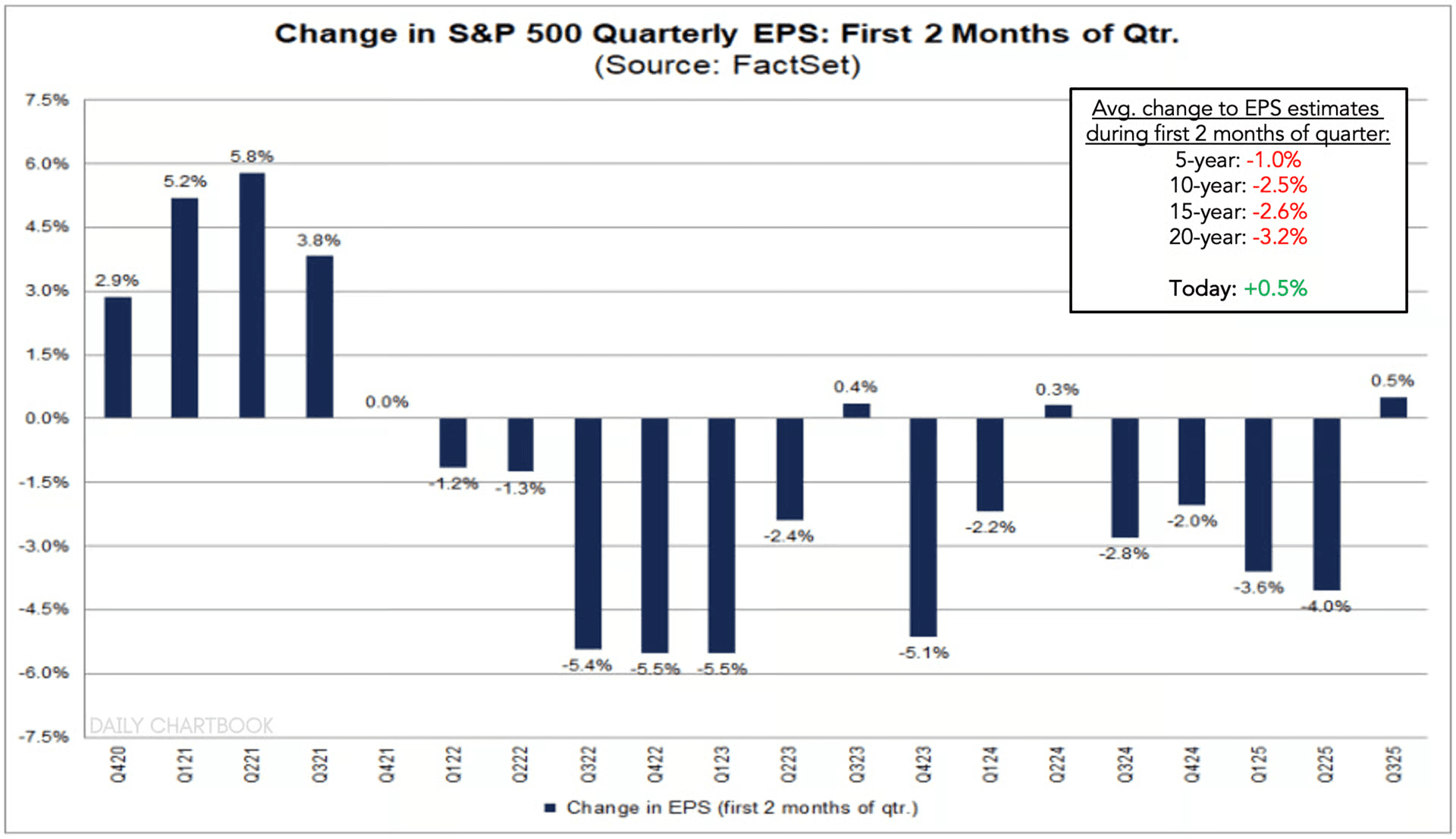
Q3 EPS revisions. Analysts have increased EPS estimates for Q3
over July and August. Typically, they lower estimates over the first two
months of a quarter.
Patience and discipline will be crucial now. Despite likely volatility in September, it should set the stage for a run-up in Q4. I still see the S&P 500 finishing 2025 strong. Now’s the time to prepare your watchlists and make sure you’re not overexposed, so you’re ready to take advantage of the coming opportunities.
Key Takeaways:
This is a broad-based bull market, with strength across multiple themes and regions.
Fed rate cuts are likely to be bullish, unless a recession occurs.
Seasonal weakness is expected in September.
Q4 is the strongest time of the year.
Volatility is expected to pick up.
Previous Updates
View All
- Weekly Market Update: Big Tech Divergence
- Weekly Market Update: Accumulation
- Weekly Market Update: The Best Quarter
- Weekly Market Update: Rate Hikes
- Weekly Market Update: AI is Not Slowing Down
- Market Update: Has AGI Arrived?
- Weekly Market Update: Consolidation
- Weekly Market Update: September is Here
- Market Update: Nvidia Crushes Earnings
- Weekly Market Update: Yields
- Market Update: The Future of Biotech
- Weekly Market Update: Earnings Acceleration
- Market Update: The Next Generation of AI Infrastructure