Go Back

Lin
AAPL
Buy
Buy: $BE
Bloom Energy makes fuel cells.
More specifically, Bloom manufactures solid oxide fuel cell systems. These systems generate electricity using an electrochemical process instead of combustion. That means they make power without burning fuel and can do it right on site.
Because the units are modular, customers can install anywhere from hundreds of kilowatts to many megawatts of power. Hospitals, industrial facilities, and especially data centers use these systems. They can act as distributed generation or be part of a microgrid.
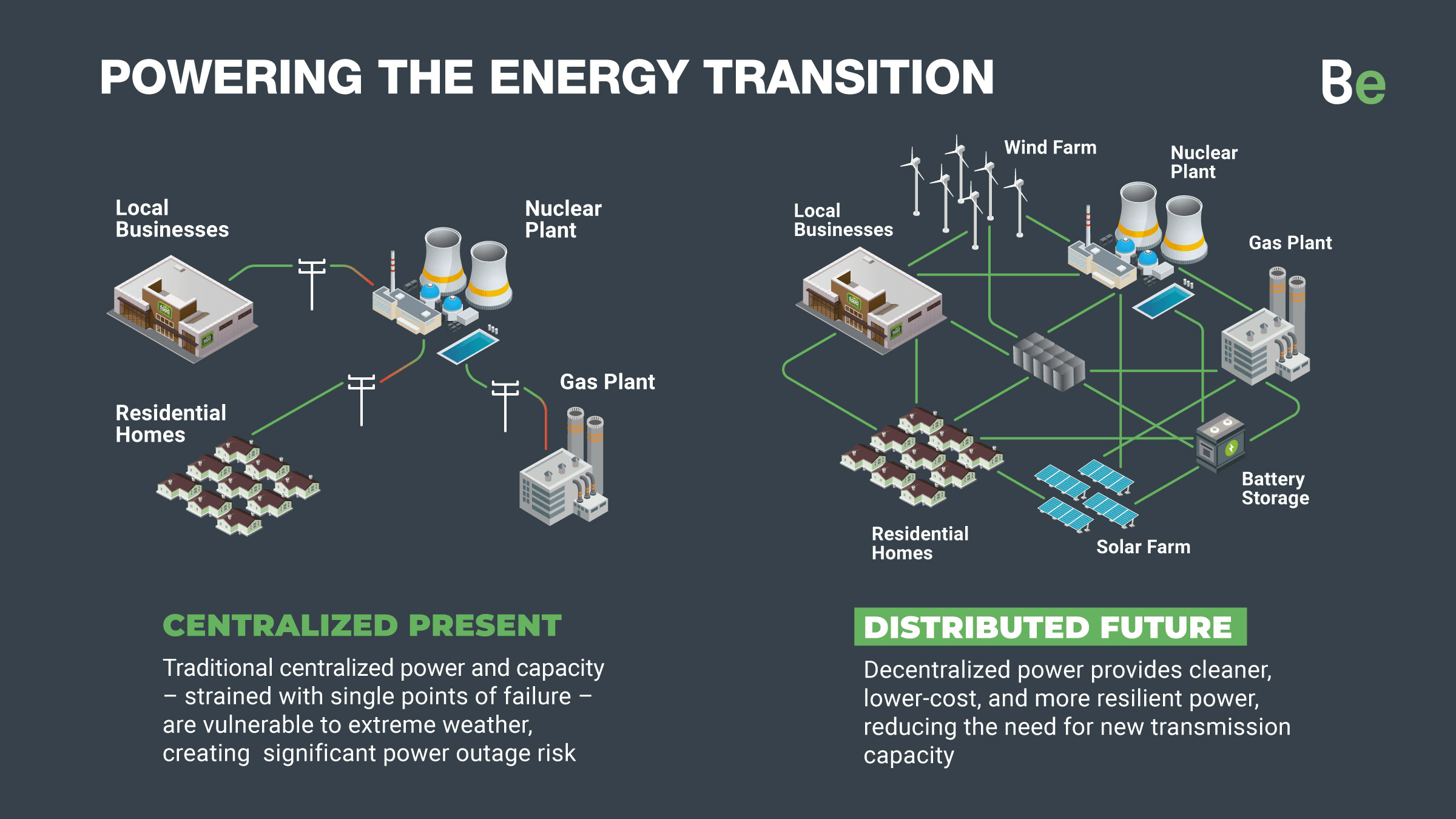
Companies like Amazon, Google, and Apple have all installed Bloom systems to reduce dependence on the grid, lower carbon emissions, and improve energy reliability. The units can run continuously regardless of weather, which gives them an advantage over solar or wind in terms of predictability.
Bloom systems are positioned as a primary power source for AI infrastructure.
They sit next to the data center and run 24/7 on pipeline gas or hydrogen. In some deployments, they deliver up to 99.999% availability, often called “five nines” reliability. This level of uptime is critical for data centers. Reliability is not the only benefit. These systems also handle flexible loads very well. AI data centers can see power demand jump 50 to 100% in seconds, and Bloom systems can respond fast enough to handle that.
Because the units are modular, operators can add capacity in the tens of megawatts within months instead of waiting years for grid upgrades.
Bloom does more than make power generation. The company also uses the same solid oxide technology to produce hydrogen. It does this with high heat machines that split water into hydrogen and oxygen. On top of that, Bloom is building fuel cell systems that run directly on hydrogen and generate electricity with zero emissions. Because Bloom’s solid oxide fuel cells already run at very high temperatures. That same heat is perfect for splitting water into hydrogen efficiently.
All of this helps bridge today’s natural gas systems with a future hydrogen economy.
The reason is twofold:
First, natural gas works today, but many customers want zero carbon power long term. Hydrogen is one of the few fuels that can replace gas without changing how data centers and industrial sites operate.
Second, customers can run Bloom systems on natural gas now, blend in hydrogen later, and eventually move to full hydrogen. That makes the energy transition gradual instead of disruptive.
The company makes money in several ways. It sells and installs equipment. It earns long term revenue from service and maintenance contracts. It also offers Energy as a Service, where customers pay for the power over time instead of buying the equipment upfront. These recurring revenue makes their business model more steady and reliable.
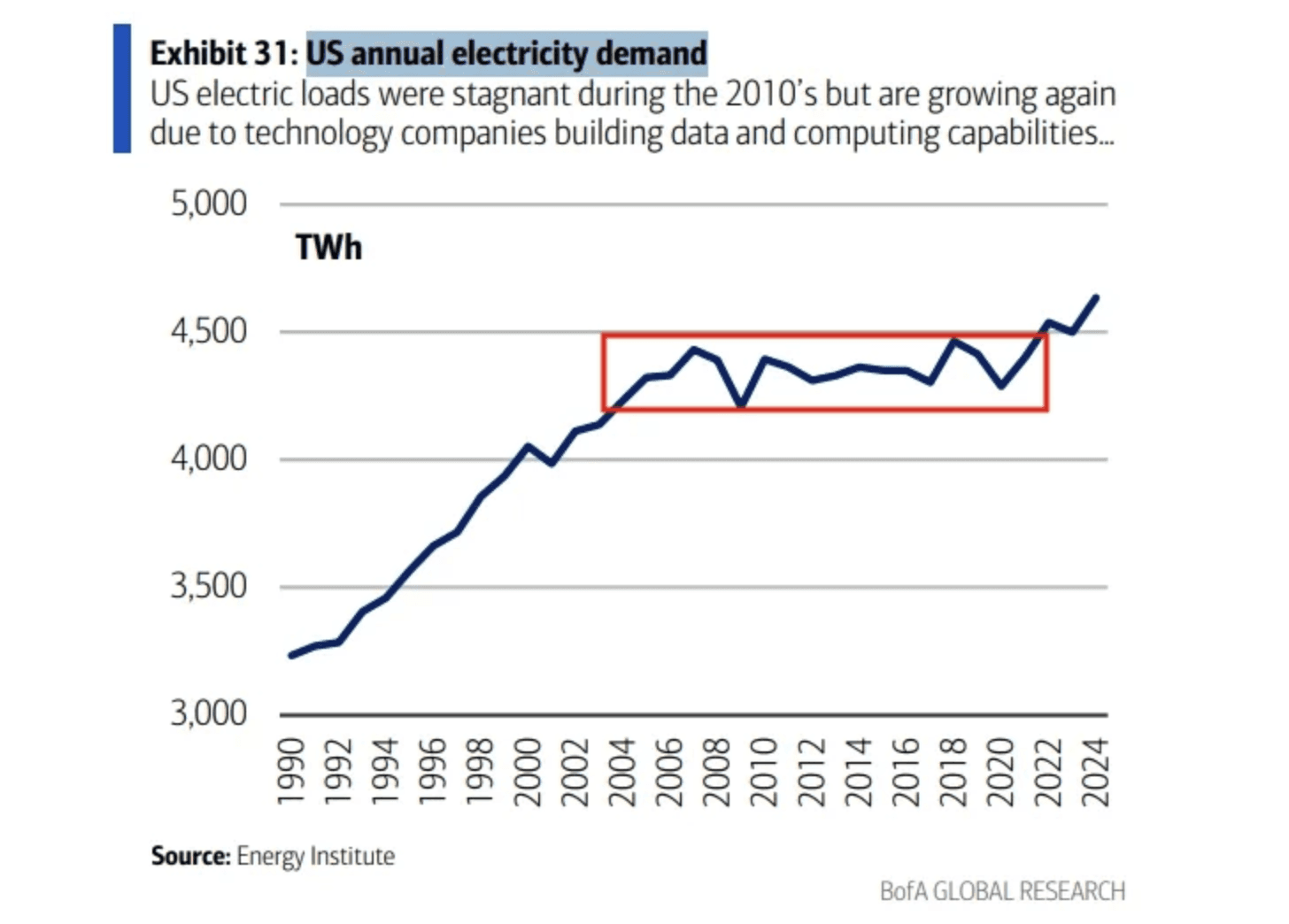
And it’s clear that energy is the biggest bottleneck right now. AI, chips, data centers, robots, electric vehicles, self-driving cars. None of them work without power. They all need electricity. A lot of it.
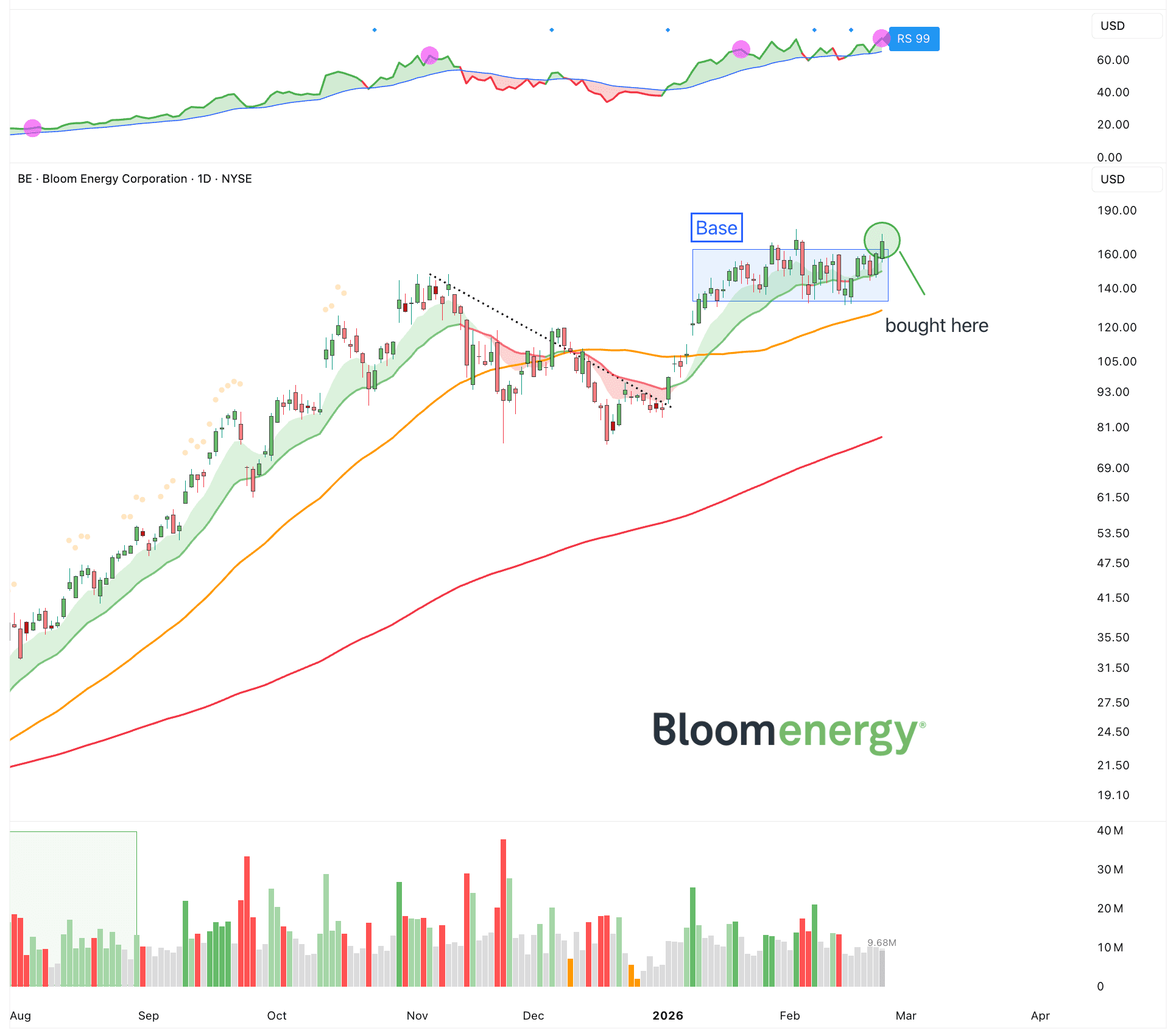
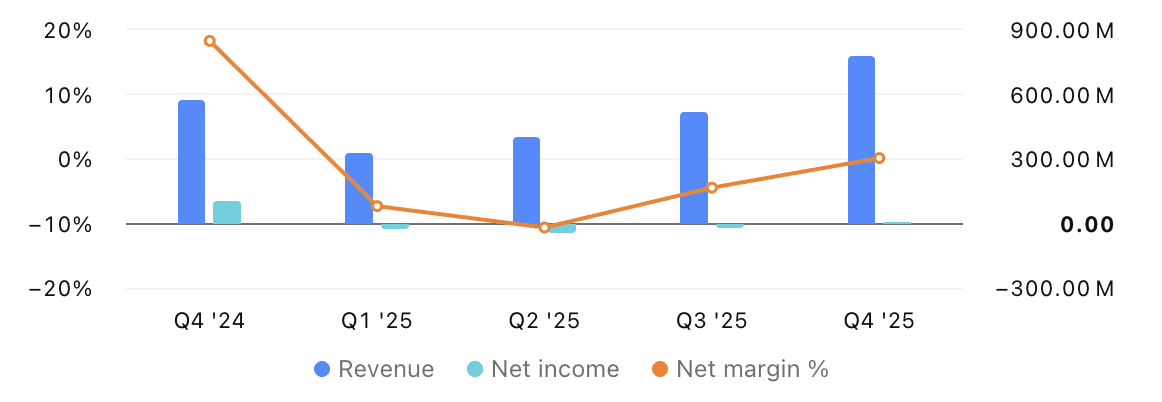
The stock is not cheap and is only barely profitable right now. However, growth is accelerating, and it has just broken out to new highs. I’ve been watching it closely for some time and it’s been on the leaderboard for a while now. So, I decided to initiate a position today.
Previous Updates
View All
- Weekly Market Update: Big Tech Divergence
- Weekly Market Update: Accumulation
- Weekly Market Update: The Best Quarter
- Weekly Market Update: Rate Hikes
- Weekly Market Update: AI is Not Slowing Down
- Market Update: Has AGI Arrived?
- Weekly Market Update: Consolidation
- Weekly Market Update: September is Here
- Market Update: Nvidia Crushes Earnings
- Weekly Market Update: Yields
- Market Update: The Future of Biotech
- Weekly Market Update: Earnings Acceleration
- Market Update: The Next Generation of AI Infrastructure