Cyclical Trend
Biotechnology
The Future of Medicine
In A Nutshell
Life sciences is one of the biggest sectors for the future. For most of history, medicine has been reactive. People got sick, doctors diagnosed the disease, and then they started treatment. That model is slowly being replaced. The future of medicine is earlier, more precise, more data-driven, and more personalised.
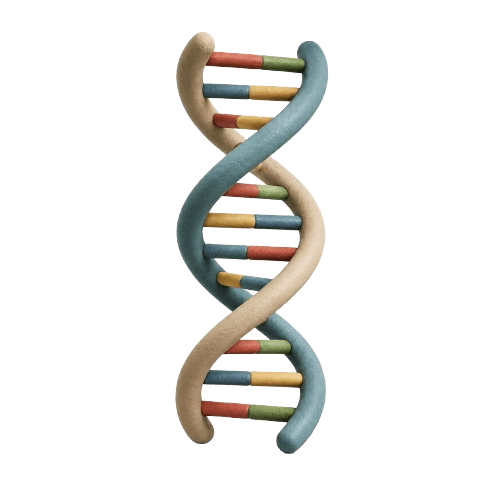
Biology is becoming more measurable. We can now read DNA, track proteins, analyze cells, detect cancer signals in blood, and understand disease at a much deeper level than before. Disease is no longer just something doctors see through symptoms. It becomes something we can measure at the molecular level.
Cancer is a perfect example. Previously, many cancer treatments were broad and harsh. Now, doctors increasingly want to know the exact mutation, pathway, or biomarker driving the tumor. That allows them to choose more targeted therapies. It also creates demand for liquid biopsy, genetic testing, companion diagnostics, and better patient selection.
The same pattern is happening in immunology, neurology, and rare diseases. These are large areas with huge unmet need. Autoimmune diseases can last for decades. Neurodegenerative diseases like Alzheimer’s and Parkinson’s remain extremely hard to treat. Rare diseases often have clear genetic causes but few good therapies.
Genomics is one of the most important parts of this story. Once we can understand the genetic cause of a disease, we can start thinking about editing, silencing, replacing, or correcting the problem. Technologies like CRISPR, base editing, gene therapy, and RNA interference all point in the same direction.
Diagnostics will also become much more important. The best time to treat a disease is before it becomes severe. That means healthcare needs better early detection and better monitoring. Blood-based cancer testing, transplant monitoring, immune profiling, reproductive testing, and molecular diagnostics are all part of this trend. Testing will become more frequent, more precise, and more connected to treatment decisions.
AI adds another layer to the story. Drug discovery is slow, expensive, and full of failure. AI will not remove clinical risk, but it can help scientists search biology faster, design better molecules, predict problems earlier, and improve the research process. Companies using AI for drug discovery, protein design, and biological modeling are trying to make the whole system faster and more efficient.
The sector is definitely not without risks. Clinical trials fail all the time. Regulators can delay approvals. Small biotech companies can run out of cash. Even strong science does not always become a successful product. But at least the direction for modern medicine is clear. It's moving from late treatment to earlier detection and from broad therapies to targeted and personalised therapies.
Table of Content
Sector Map







The Leading Biotech Stocks
Ticker
M. Cap
PS
PE
YTD
10MA
20MA
50MA
200MA

MRNA
79.2B
26.5
n/a
568.89%

TWST
12.2B
23.3
n/a
483.33%

TXG
11.0B
13.0
n/a
419.62%

ABCL
4.1B
53.4
n/a
273.39%
CDNA
3.3B
5.6
31
239.97%
ELVN
3.3B
0.0
n/a
187.81%
TNGX
4.2B
68.7
n/a
183.50%
ORKA
5.6B
0.0
n/a
179.08%

ABSI
1.7B
951.9
n/a
178.59%

DFTX
4.9B
0.0
n/a
171.70%
