Lin
AAPL
Bullish
Applied Optoelectronics $AAOI
Applied Optoelectronics $AAOI is one of the more interesting picks-and-shovels names in the AI infrastructure trade.
Every new AI data center needs more GPUs, more power, more cooling, and much faster connections between servers. The larger the clusters get, the more important optical networking becomes. As AI models get bigger and training clusters scale, the amount of data moving through the network explodes. That makes optical networking less of a boring hardware category and more of a core AI infrastructure layer.
Applied Optoelectronics makes optical transceivers, laser components, and networking products used in AI data centers, cable networks, telecom, and fiber access. AI workloads are forcing hyperscalers to upgrade their networks faster, and AAOI is becoming one of the suppliers tied directly to that upgrade cycle. The key product cycle is 800G, with 1.6T coming after that. These are high-speed optical transceivers that help move massive amounts of data inside and between data centers.
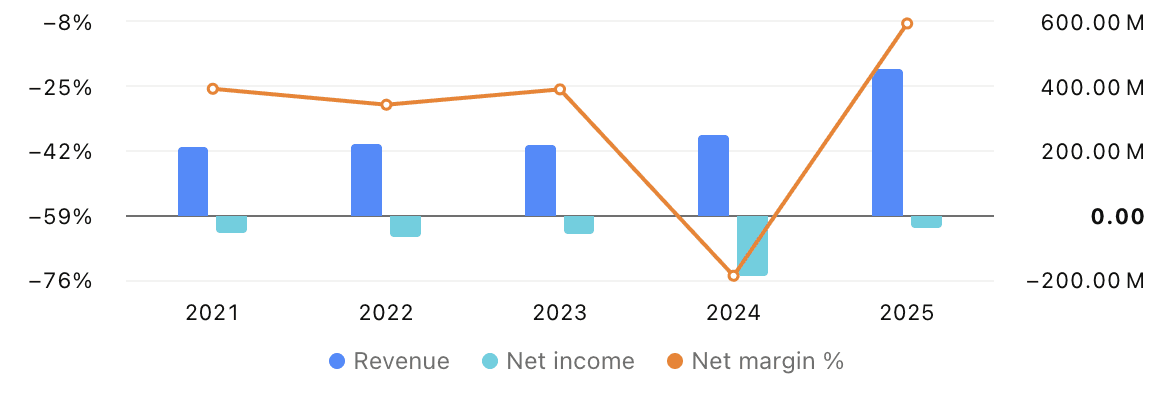
The numbers are starting to show that shift. In Q1 2026, AAOI reported record revenue of about $151 million, up from about $100 million in the prior year period. Data center revenue was about $81 million, making it the largest segment in the quarter.
The most important part of the earnings story was the ramp. Management said it completed the first volume shipment of 800G products to a large hyperscale customer in Q1 and expects a stronger volume ramp starting in Q2. They also guided for Q2 revenue of $180 million to $198 million, which implies another step up from Q1. Even more important, management expects sequential growth through the year, with bigger growth starting in Q3 as more capacity comes online.
This is not a small company selling into weak end markets. It is selling into the biggest AI infrastructure buyers in the world. The company has received new 800G orders from major hyperscale customers, including a $71 million order announced in April 2026. These customers demand quality, volume, reliability, and price. So, this is a meaningful validation point.
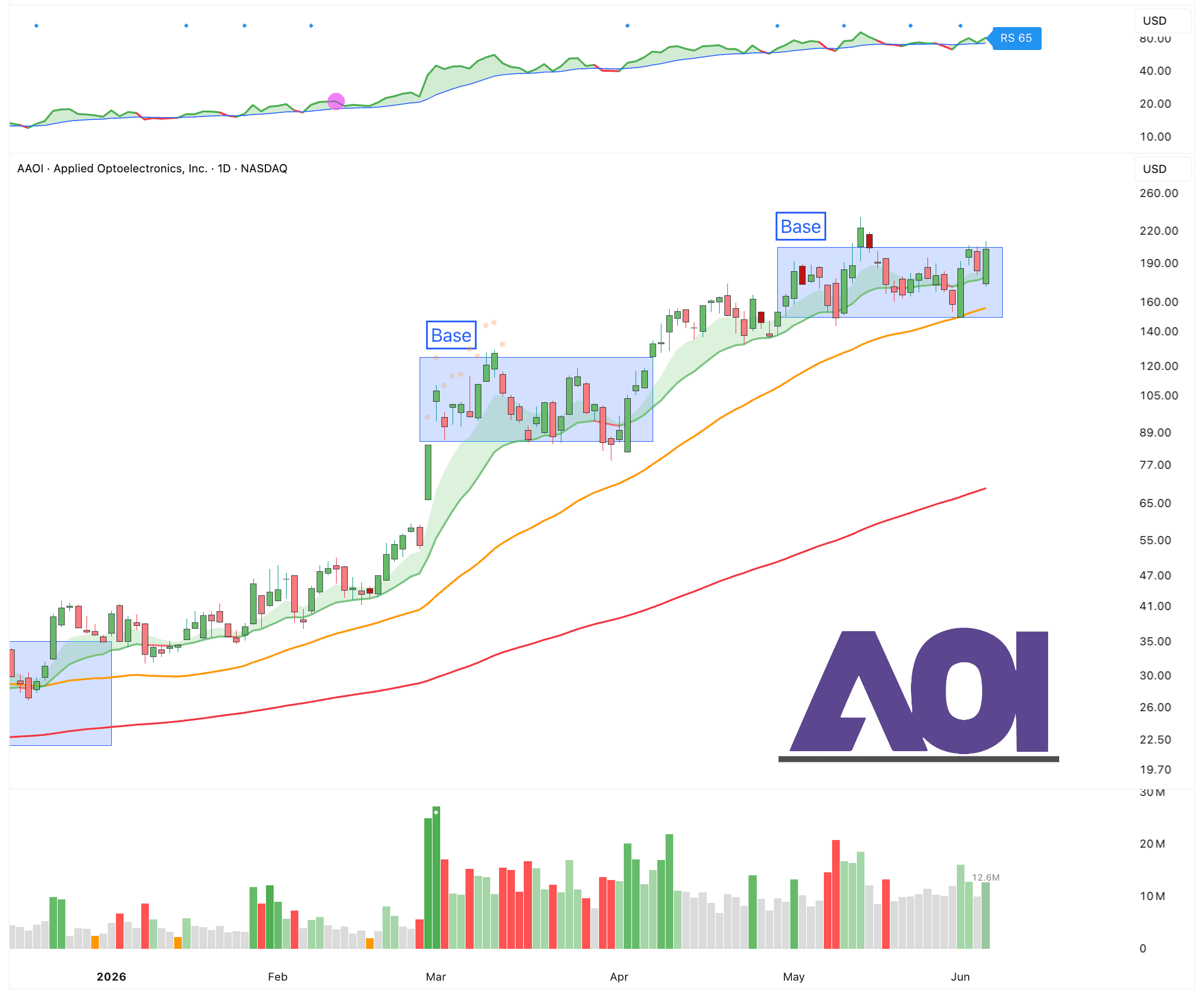
It is not the safest way to play AI, but it may be one of the most direct ways to play the optical networking bottleneck. So far, the stock has also been holding up incredibly well and now looks like it is setting up for a potential breakout for its next leg higher.