Go Back

Lin
Market Update: The Energy Shock
The AI infrastructure buildout is starting to create one of the biggest demand shocks the energy equipment industry has seen in decades.
Demand is not just strong. It’s the scale, speed, and urgency that is surprising. Even people who have worked in the industry for 40 years are shocked by what is happening. Some orders are now double the size of what an entire factory can produce in a full year. That is not normal demand. That is a system under pressure.
The biggest driver is simple: data centers need power. A lot of it. And they need it fast.
Over the last 5 to 8 months, demand has become so strong that energy equipment companies no longer need to spend much time convincing customers. In the past, they may have had to show analysis, explain emissions savings, talk about efficiency, or make a business case. Now the conversation is different. Customers just want to secure equipment before the backlog gets even worse. In some parts of the energy equipment market, lead times are already 5 to 6 years.
For transformers, the situation appears even more difficult.
This has completely changed how data center builders think. Speed and reliability now matter more than almost anything else.
AI infrastructure is not waiting for the perfect energy solution. It needs power immediately.
The size of orders has also changed dramatically. What used to be 20 to 30 MW orders has now become 200 to 500 MW orders. That is a huge jump. Customers also prefer standardized and integrated solutions from one supplier instead of combining equipment from different OEMs. Buyers want fewer moving parts, fewer delays, and more certainty.
Another important point is that data center builders are not just buying enough equipment for their current needs. If a site needs 100 MW, they may buy more than 100 MW worth of gas turbine capacity. That means they want backup units, extra reliability, and room for future growth.
Efficiency is another interesting part of the story. Everyone is trying to reduce PUE and water use effectiveness. Data center operators want to become more efficient. But the problem is that every efficiency gain often gets used to run more compute. So even when the data center becomes more efficient, total power demand does not necessarily fall. It just allows more AI workloads to run. That is Jevon’s paradox. Better efficiency makes the buildout even bigger.
Cooling is another major bottleneck. Liquid cooling is becoming more important as chips get more powerful, but it is expensive and not easy to deploy. Water availability is also a real issue in many regions. This means the AI data center buildout is not just about chips and servers. It is also about power, cooling, water, transformers, turbines, switchgear, grid connections, and everything else needed to keep these systems running.
Equipment margins in parts of the sector used to be around 4% to 6% just 2 or 3 years ago. Now they are reportedly around 20% to 23%, and in some cases even 40%. That is a massive change. The buyers know the margins are high, but they are still willing to pay because getting the equipment matters more than getting the best price.
Power equipment, transformers, gas turbines, cooling systems, grid infrastructure, and electrical components are now critical parts of the AI value chain.
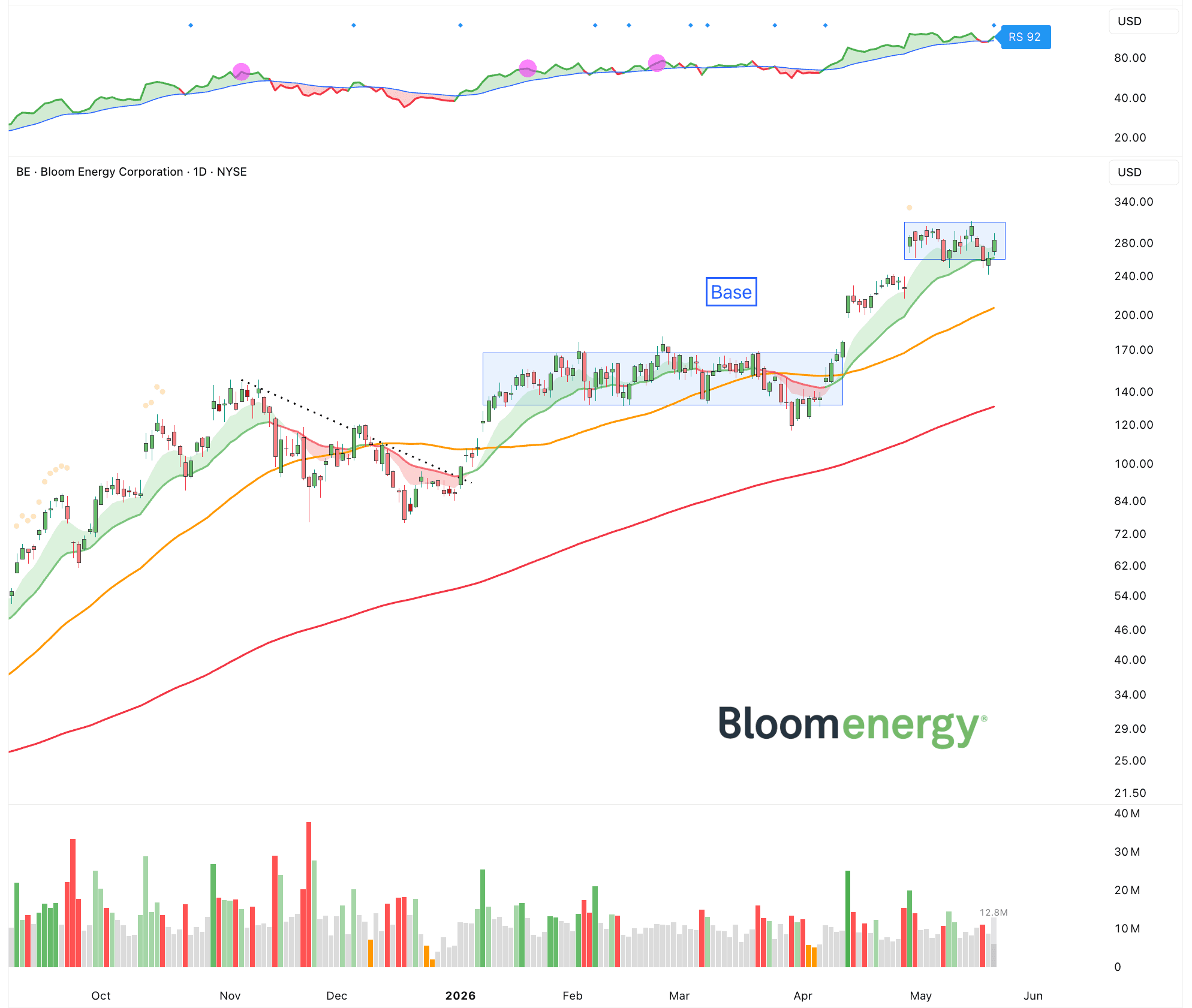
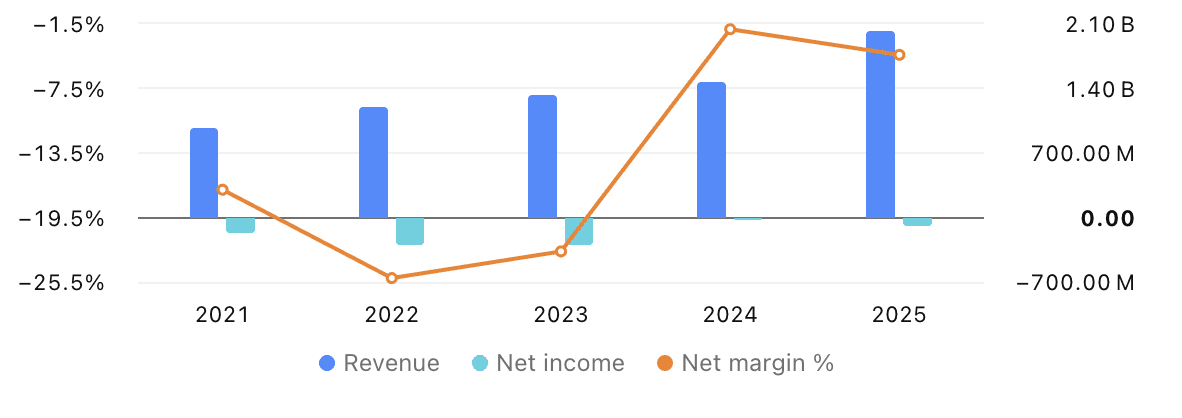
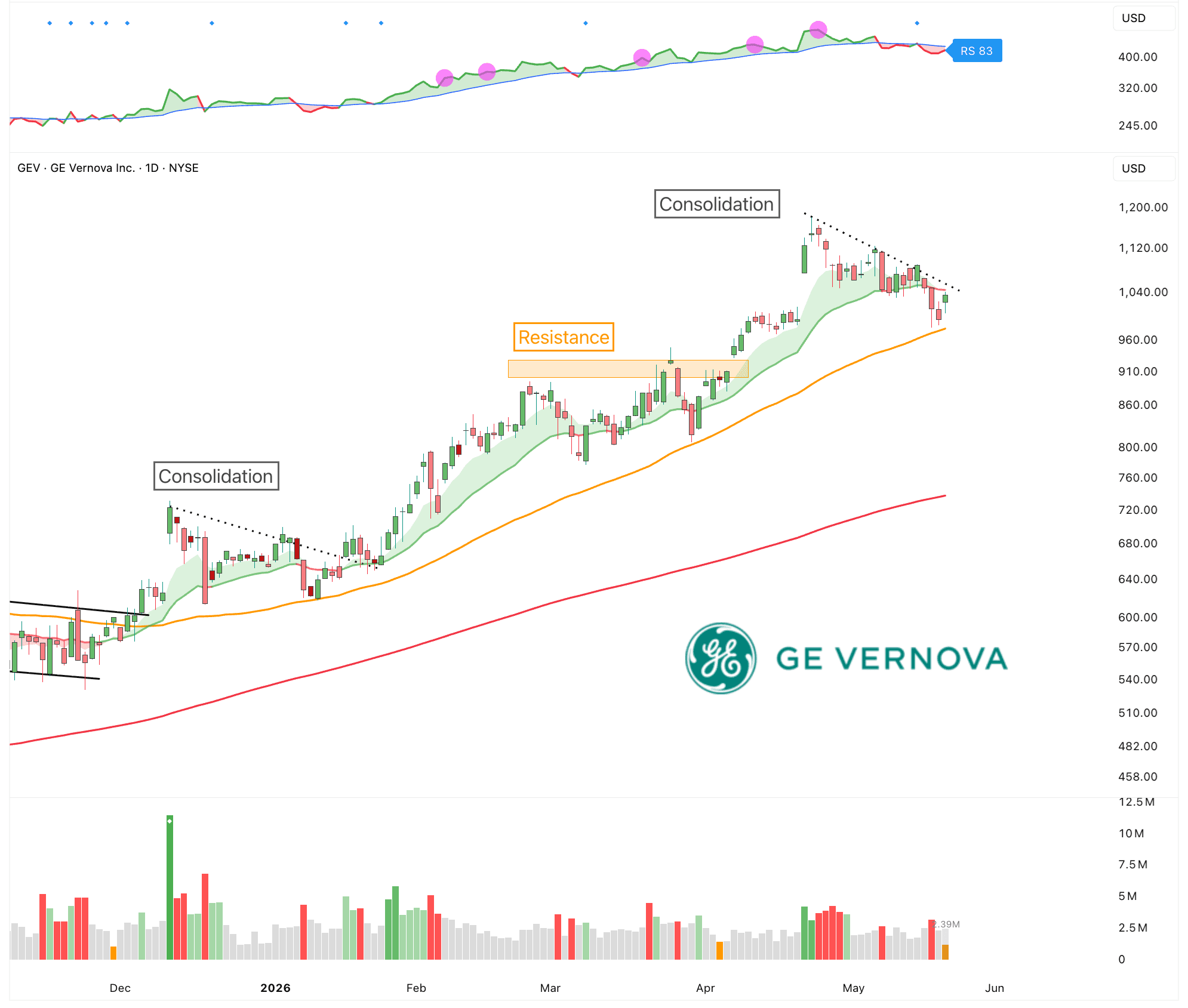
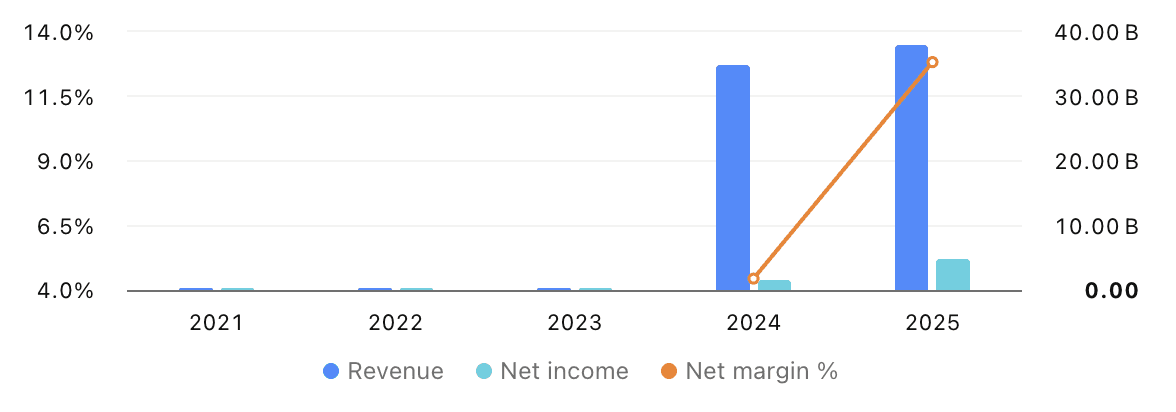
The AI buildout is moving faster than the physical world can easily support. And when demand grows faster than supply can respond, the companies sitting at the bottlenecks can become some of the biggest beneficiaries. That’s why Bloom Energy $BE or GE Vernova $GEV have been some of the biggest winners recently. Both have been discussed a number time here. And it does not look like they are done.
Bloom Energy $BE
GE Vernova $GE
A few smaller names are starting to look interesting as well. These are some of the companies I’m tracking right now that are just starting to emerge from very early stage bases:
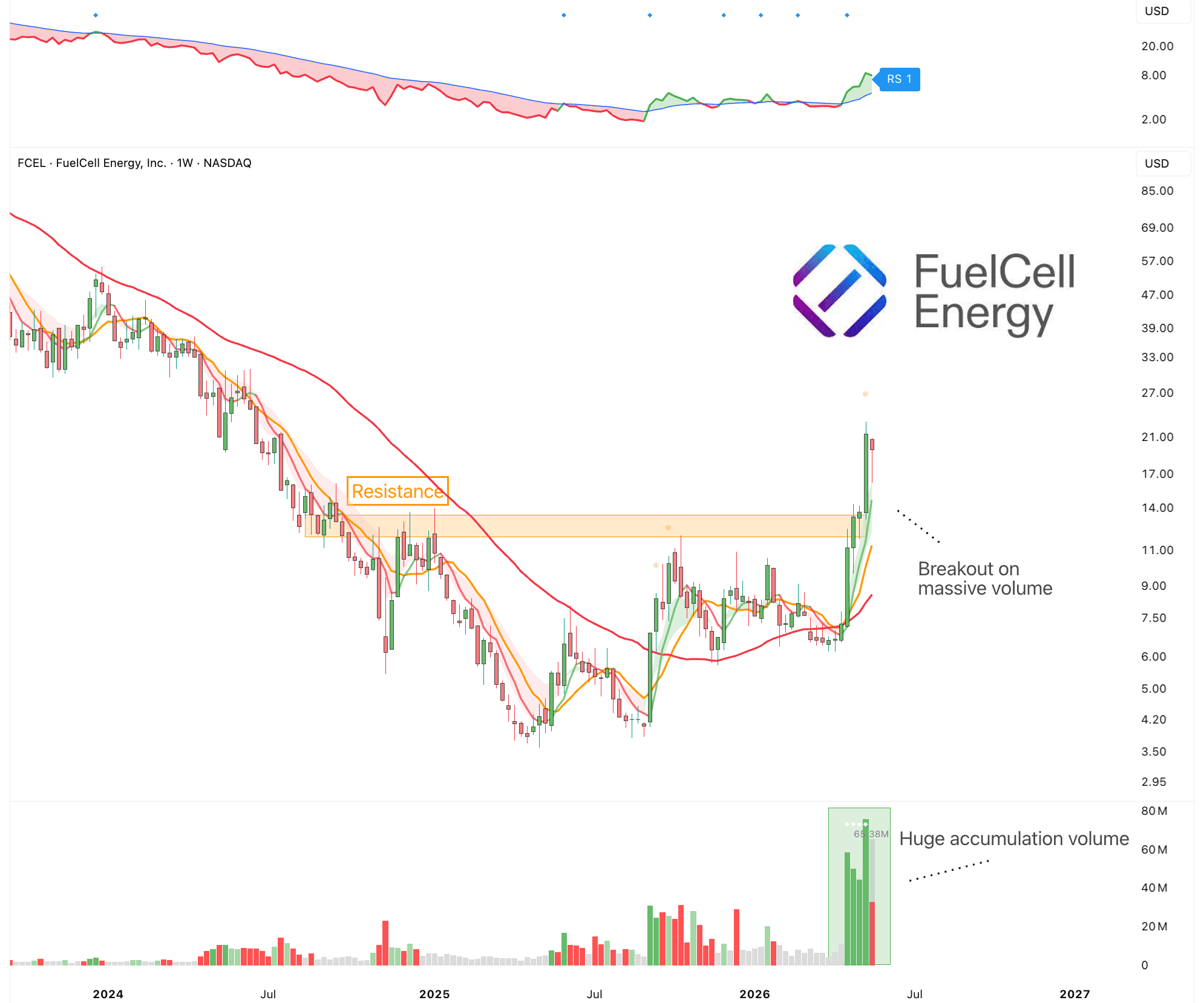
FuelCell Energy $FCEL
FuelCell Energy is probably the closest public pure-play comparison to Bloom Energy but much smaller. The company develops stationary fuel cell systems that can generate electricity on-site for utilities, industrial customers, commercial buildings, and other large power users. FuelCell Energy also has exposure to hydrogen and carbon capture, which gives it a broader clean energy angle.
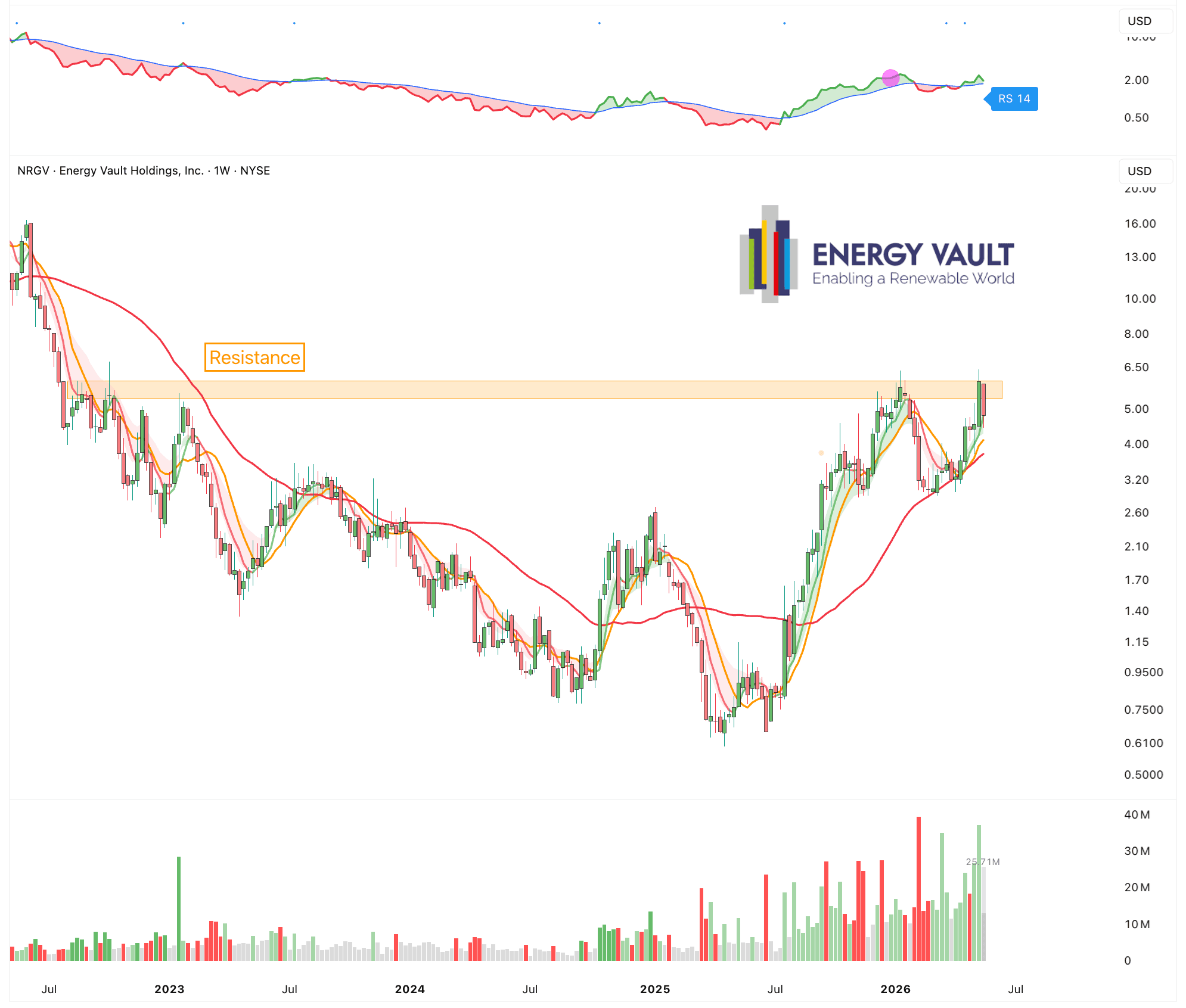
Energy Vault $NRGV
The company develops energy storage systems that help store electricity and deliver it when needed, especially for renewable energy and large power users. Its original idea was gravity-based storage, but the business has expanded into battery energy storage systems and hybrid storage projects. Energy Vault is not generating power on-site through fuel cells. It is more about storing and managing power so grids, utilities, and large customers can handle demand spikes, renewable intermittency, and reliability issues.
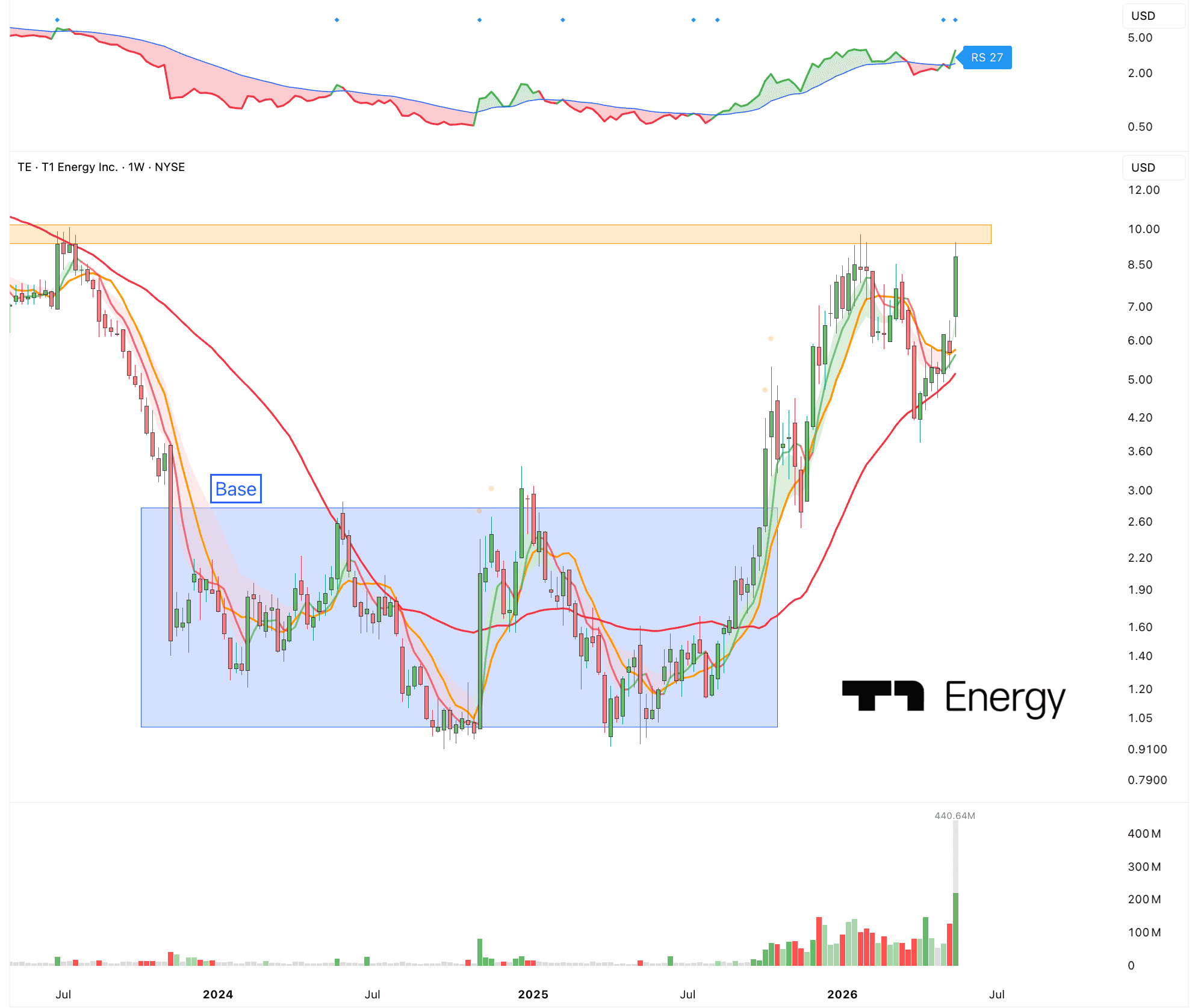
T1 Energy $TE
T1 Energy makes solar modules and is working on solar cell manufacturing, which makes it more of a domestic solar manufacturing play than an on-site fuel cell power play. T1 is more tied to solar generation, U.S. energy security, and reshoring clean energy supply chains.
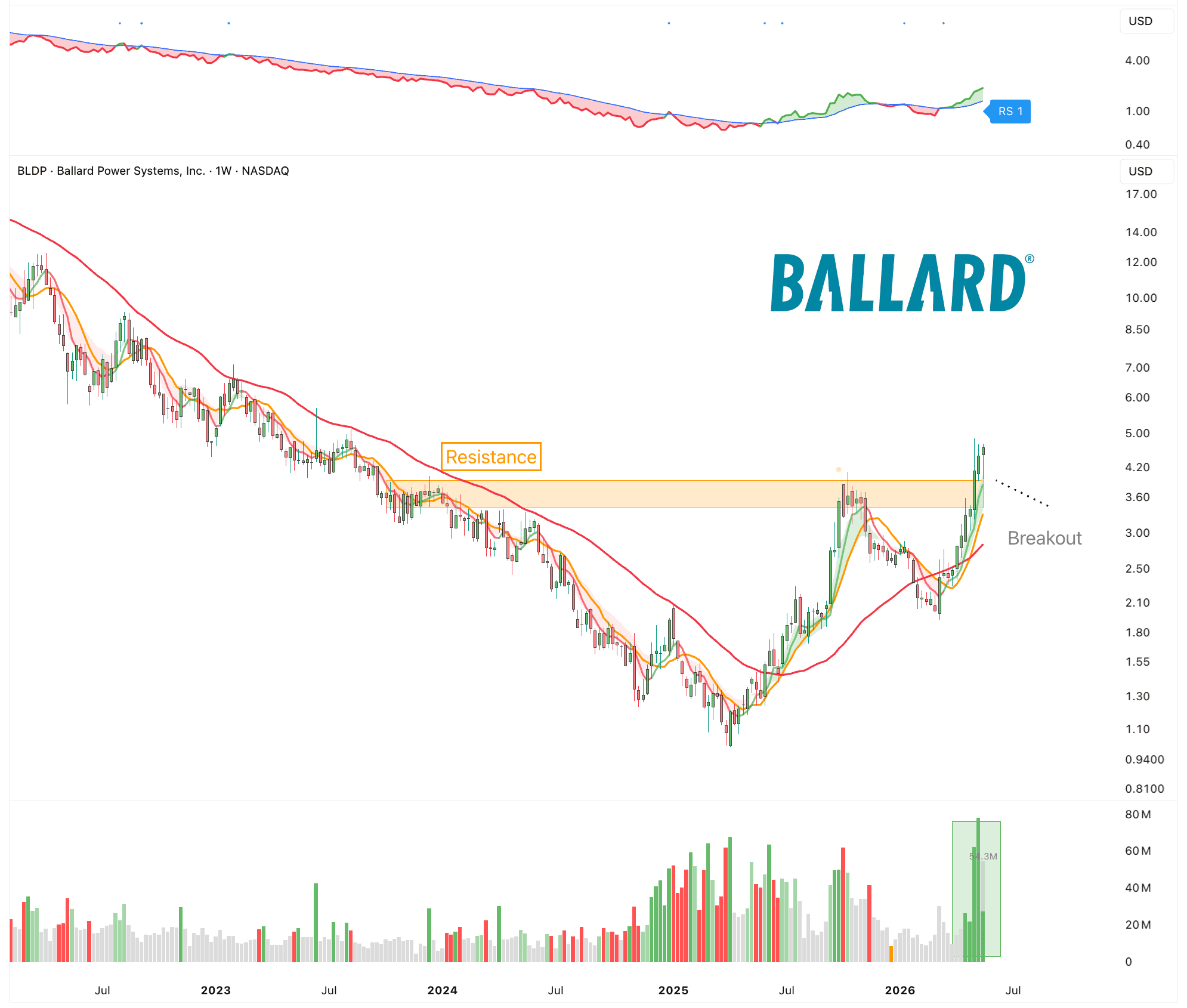
Ballard Power $BLDP
Ballard Power Systems develops hydrogen fuel cell systems, mainly for heavy-duty mobility markets like buses, trucks, trains, ships, and backup power. Its core market is vehicles and transport systems that need clean power without batteries being too heavy or slow to charge but less focused on stationary power generation for buildings or data centers.
Plug Power $PLUG
Plug Power is a hydrogen and fuel cell company focused on building the full green hydrogen ecosystem. It makes fuel cell systems, electrolyzers, hydrogen production plants, and related infrastructure. The company is expanding into industrial hydrogen, logistics, backup power, and electrolyzers. Plug is less focused on stationary on-site power for data centers and more focused on hydrogen production and usage across many industries.
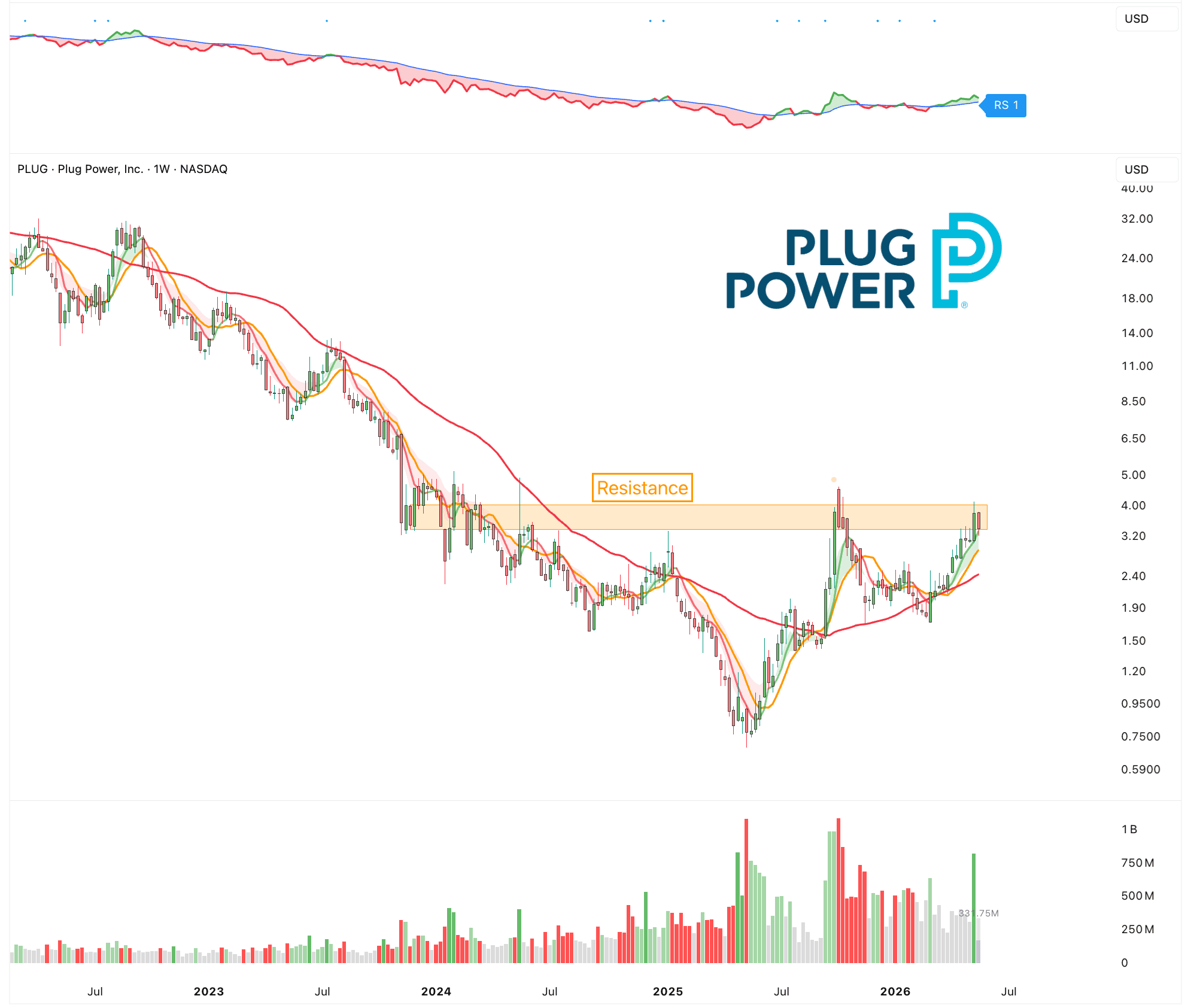
These are just some of the names that should be on the watchlist. I’m currently working on the full thematic basket for Energy. It should be out soon.
Previous Updates
View All
- Weekly Market Update: The Best Quarter
- Weekly Market Update: Rate Hikes
- Weekly Market Update: AI is Not Slowing Down
- Market Update: Has AGI Arrived?
- Weekly Market Update: Consolidation
- Weekly Market Update: September is Here
- Market Update: Nvidia Crushes Earnings
- Weekly Market Update: Yields
- Market Update: The Future of Biotech
- Weekly Market Update: Earnings Acceleration
- Market Update: The Next Generation of AI Infrastructure
- Weekly Market Update: New Highs
- Market Update: Nvidia’s Way Around Memory